Custom Alarm Clocks Manufacturer – Digital Desk Clocks, Logo Printed, 1 pc MOQ
Custom digital alarm clocks in ABS with dual alarms, temperature, humidity and weather icons, silent movement and backlight. Logo printed. 1 pc MOQ.
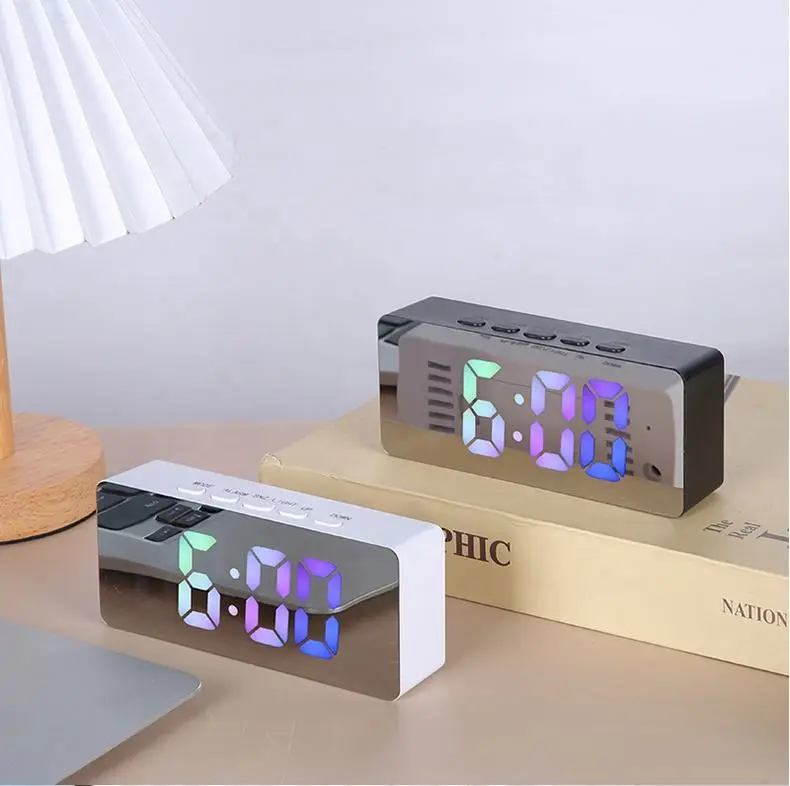
Custom Digital Alarm Clocks with Your Logo — Silent, Backlit
Yichi is a custom alarm clock manufacturer in Zhejiang, China, producing branded desk clocks in ABS across two builds: transparent-panel clocks with a clear glass face, and opaque versions with a soft backlight switched from a button on the top. The display carries time in 12- or 24-hour format with an AM/PM indicator, date, day of the week, temperature across 0-50 °C and humidity across 20%-89%, plus a weather icon with three states. Formats run from 70 x 130 x 30 mm to 116 x 51 x 33 mm at 126 g to 130 g, the range includes two independently settable alarms, and a Bluetooth speaker version is also produced. Logos and short copy go on the front face. Send artwork or wording and we return a free effect preview before production. A one-piece minimum, samples in 1-3 days and production in 2-10 days apply across the range.
An alarm clock is a product that gets looked at several times a day, which is what makes it a better branding surface than its price suggests — and a harder product to get right than its price suggests too. It has to be readable in the dark without lighting the room, silent enough to keep beside a bed, and legible enough that a half-awake person can read it. Those three requirements are decided by the panel, the backlight and the display size, and they are the first things worth settling.
Two Alarms, Temperature, Humidity and the Weather Icon
The display on this range is a small instrument panel, and each element earns its place differently.
Time, in 12- or 24-hour format. Selectable, with an AM/PM indicator. For markets where the 12-hour format is standard and for buyers shipping to both, being able to switch the format is what makes one product work in several countries.
Date and day of the week. Small text below or beside the time. In use this is the element that gets read more often than expected — a desk clock is frequently consulted for the day rather than the hour.
Temperature, 0-50 °C. Room temperature, shown continuously. On a desk this is the figure that gets compared across a room, an office and a garden.
Humidity, 20%-89%. Shown alongside the temperature, with the source material describing 50%-75% as the comfortable band and around 27 °C as the corresponding comfortable temperature. That comfort indication is the part a user actually reads: not the raw number, but whether the room is inside the band. For a buyer in a market where dry air or damp is a real household concern, this is a genuine selling point rather than a gimmick.
The weather icon. The clock carries its own weather indication with three states — sunny, cloudy and rainy — so the current condition can be read without picking up a phone. It is a small convenience; it is also the element that makes the product feel like more than a clock, which is what justifies it as a gift.
Two alarms with snooze. Two alarms can be set independently, which lets a weekday alarm and a second wake-up coexist without resetting the clock every Sunday evening. Snooze is on the alarm keys. For a hotel or a staff programme, two alarms is the specification that gets used; for a gift, it is the one that gets noticed.
Controls. The range uses touch keys and function keys, with the source material describing the key layout as simple enough to be used by any age group — a claim worth checking at the sample stage, because a clock with an obscure setting sequence becomes a clock that is used as a display only. A common layout runs: decrease value / snooze, increase value / alarm on-off, settings (long press), reset, temperature conversion (short press), and mode switching between clock, alarm and date.
Transparent Panel or Opaque with Backlight — Two Builds
Two builds are produced, and the choice is decided by when the clock will be read.
Transparent-panel. A clear face over the display, described on the source material as a glass panel. The transparent build reads as a piece of design — the display appears to sit in a clear frame rather than behind a black window — and it is normally the version specified where the clock is part of a room’s look rather than purely a utility. Transparent versions in this range are supplied without a backlight.
Opaque with backlight. A solid screen with a backlight switched from a button on the top of the body. The source material describes the light as soft, intended to be readable at night without lighting the room. This is the version for a bedroom, a hotel room or anywhere the clock is consulted in the dark — and for a bedside clock that is most nights, which makes the backlight the more practical of the two builds for a hospitality buyer.
Reading the display in daylight. The source material also quotes a large digital display on the range — described as a screen with a clear picture and readable numerals. Display size is the specification that decides how far away the clock can be read, and a clock on a desk is normally read from a metre or more.
Glass and panel care. A transparent panel shows fingerprints and dust more than an opaque one. That is a presentation consideration for retail packaging rather than a defect, and it is worth knowing when a clock is specified for a shop shelf.
Silent Movement and the Light That Comes On at Night
Two features on this range are the ones that decide whether a clock stays where it is put.
Silent movement. The source material describes the movement as silent — no tick, specified as suitable for study and rest. This is not a detail. A ticking clock in a bedroom is the most common reason a clock gets moved to another room, and it cannot be corrected after purchase, which makes it a specification worth confirming rather than assuming. On the electronic formats in this range it is described as a good-quality silent movement.
The night light. Some versions carry a light that comes on with a soft press on the top of the body, so the clock can be found and read at night without putting a room light on. On a bedside unit this is the feature that gets used every night, and it is separate from the display backlight — worth confirming which of the two a given format has.
Night-light versus backlight. The backlight illuminates the display so it can be read. The night light illuminates the area around the clock so the clock can be found. Some formats carry one, some the other. For a hotel room, both are useful; for a bedside clock, the backlight is the more important of the two.
A quiet clock is a kept clock. The commercial point is simple: a clock that ticks gets moved to a hallway, and a clock in a hallway has stopped being a branding surface. Silent movement is what keeps the product in the room where it is seen.
Battery or Bluetooth: Two Very Different Products
The range spans two product types, and they are worth separating before the order.
The standard digital clock. ABS body, battery powered, display only. The backlit and night-light versions take AAA (size 7) batteries and are supplied without batteries. One instruction from the source material belongs on the product card: the range is specified not for use with high-power alkaline cells — standard cells are what is intended, and a high-output alkaline cell is the failure mode to avoid.
The desk formats measure 70 x 130 x 30 mm and 116 x 51 x 33 mm, with the smaller body at about 126 g and the larger at about 130 g. Cartons are packed at 100 pieces, with N.W. 12 kg and G.W. 13.6 kg per carton of 43 x 30 x 44 cm, and each clock is boxed with a colour box, a bubble bag and a manual.
The Bluetooth alarm clock speaker. A second product family in the same material and a similar look, but a different object: a desk clock combined with a speaker, with Bluetooth connection, FM radio, TF card playback and the sound described as high-fidelity, behind a mirrored front panel that doubles as a display. It supports multiple playback modes, and the mirrored face means the unit reads as a speaker with a clock rather than a clock with a speaker.
Which to specify. The battery clock is the version for a hotel room, a desk, a study or a giveaway where the point is a legible display and a printed logo. The Bluetooth speaker version is the version for a gift programme, a staff award or a retail product where the product has to do something a plain clock does not — and where the mirrored front panel carries the branding particularly well.
A shared advantage. Both families are specified for a quiet room: the display formats run silent movement, and the speaker formats are described as suitable for study and rest. Neither is a device that announces itself.
Specifications
| Attribute | Details |
|---|---|
| Material | ABS |
| Display | Digital; large-format display; transparent glass panel or opaque screen |
| Time functions | 12- or 24-hour format with AM/PM indicator; date; day of the week |
| Alarms | Two, independently settable; snooze function |
| Temperature | Measuring range 0-50 °C; comfort indication around 27 °C |
| Humidity | Measuring range 20%-89%; comfort band 50%-75% |
| Weather | Three-state weather icon: sunny, cloudy, rainy |
| Lighting | Backlight switched from a button on the top (opaque versions); night light on night-light versions |
| Movement | Silent, no tick |
| Controls | Touch keys and function keys; mode switching between clock, alarm and date |
| Battery | AAA (size 7) on backlit and night-light versions; batteries not included; not for use with high-power alkaline cells |
| Sizes | 70 x 130 x 30 mm; 116 x 51 x 33 mm; host 13 x 3 x 7 cm |
| Weight | approx. 126 g; approx. 130 g |
| Colours | Black, white and pink; white and black; two-tone black and white |
| Bluetooth version | Bluetooth speaker clock with FM radio and TF card playback; mirrored front panel |
| Branding | Logo and copy printed on the front face |
| Packaging | Colour box + bubble bag + manual; box 14.3 x 8.3 x 4.2 cm |
| Carton | 100 pcs per carton; N.W. 12 kg / G.W. 13.6 kg; carton 43 x 30 x 44 cm |
| MOQ | 1 pc |
| Sample Time | 1-3 days |
| Production Time | 2-10 days |
Artwork Requirements
A vector file — AI, EPS, CDR, PSD or PDF — with text converted to curves is the cleanest input. Raster artwork should be sent at the highest resolution available.
The printable area is a frame, not a panel. The display occupies the centre of the front face, so the available surface is the surround around it — a narrow border on most of these bodies. Artwork should be laid out to that proportion, with the key element positioned where the frame is widest. A wide logo with fine detail will not fit; a compact wordmark, an abbreviated mark or a short line will.
Logo and copy together. The source material describes both logo and copy customisation on this range, so a logo can be paired with a line of wording — a company name, a hotel name, a short message or a telephone number. Send the exact wording, including capitalisation, since the preview is the stage at which wording is confirmed.
Colour. Where the logo carries a Pantone reference, send it with the file. Ink on an ABS surround reads slightly differently from ink on paper, so a small shift between the on-screen preview and the finished print is normal.
Wording and display pairings. On the Bluetooth version the mirrored front panel carries the branding differently from the opaque clock surround, so artwork should be prepared against the version you intend to order. Send the artwork against the format and the preview will show it at true scale.
Where Branded Alarm Clocks Get Used
Hotels, guest rooms and hospitality. Backlit clocks with a silent movement and a printed hotel mark, specified room by room. This is the setting where every specification on the page earns its keep: the backlight for a darkened room, the silence for a sleeping guest, two alarms for early flights, and the temperature and humidity readout for a climate that guests notice.
Corporate and staff programmes. Clocks issued as a staff gift or an award — the Bluetooth speaker version for a milestone or an award, the standard version for a general programme. A desk clock is a gift that stays visible on a desk rather than going into a drawer.
Retail and channel products. Boxed clocks for retail, private-label or own-brand, with the logo on the front face and the branding carried onto the packaging.
Healthcare, care homes and clinics. Silent clocks with a legible display and a temperature readout, printed with an organisation’s mark — the silence and the large display are the specifications that matter in a shared room.
Schools, universities and study settings. Silent clocks for libraries, study rooms and dormitories, where the no-tick specification is the reason the product is chosen.
Events, conferences and corporate gifting. A desk item that suits a delegate bag or a client gift, and the Bluetooth version for a higher-value award or a retail-facing giveaway.
How an Order Runs
- Send the artwork or the brief. A vector logo file, the wording for the front face, or a description of where the clock will be used.
- Format selection. We match the brief to a build — transparent panel or backlit — a size and a version, standard or Bluetooth speaker.
- Effect preview. A free preview of the logo and wording on the front face, at true scale, before anything is produced.
- Sample. Samples run in 1-3 days from confirmed artwork, so the display legibility, the backlight and the silence of the movement can be checked in person.
- Production. Bulk production in 2-10 days from approval, with the display, the alarms and the print checked before packing.
- Packing and shipment. Colour box with bubble bag and manual, cartoned at 100 pieces per carton.
Why Order From Yichi
A one-piece minimum. One printed clock is enough to judge the display legibility, the backlight and the weight of the mark — which is how a hotel group or a corporate buyer de-risks a programme before it is placed.
A free preview before production. Because a branded clock carries your artwork and cannot be resold, the preview stage does the work that a returns policy cannot. Use it — including on a single unit.
Silent movement as standard. No tick, which is what keeps the clock in the room where it is seen rather than moving it to a hallway.
A display that reads as an instrument. Time, date, day, temperature across 0-50 °C, humidity across 20%-89% and a three-state weather icon, so the product holds its place on a desk rather than being replaced by a phone.
Two product families, one page. Standard battery desk clocks and Bluetooth speaker clocks, so one order can cover a general programme and a higher-value award.
Fast turnaround on both ends. Samples in 1-3 days and bulk production in 2-10 days from confirmed artwork.
Tell us where the clock will stand and who will read it — a hotel room, a staff desk, a study or a retail shelf — and we will recommend the build and return a free effect preview. Request a quote or send your artwork directly and we will come back with a recommendation and a proof.
Frequently Asked Questions
What is the MOQ for custom alarm clocks?
What does the display actually show?
What are the temperature and humidity ranges?
What is the difference between the transparent and the opaque versions?
Is the clock silent?
How many alarms, and is there a snooze?
What batteries do the clocks take?
Can the clock be printed with wording as well as a logo?
You May Also Need

Custom Printed Balloons – Free Design & Bulk
Custom printed balloons with free design & 1-on-1 support. MOQ of just 1. Silk-screen logo printing on 230 colors. CE-certified quality for promotions & events
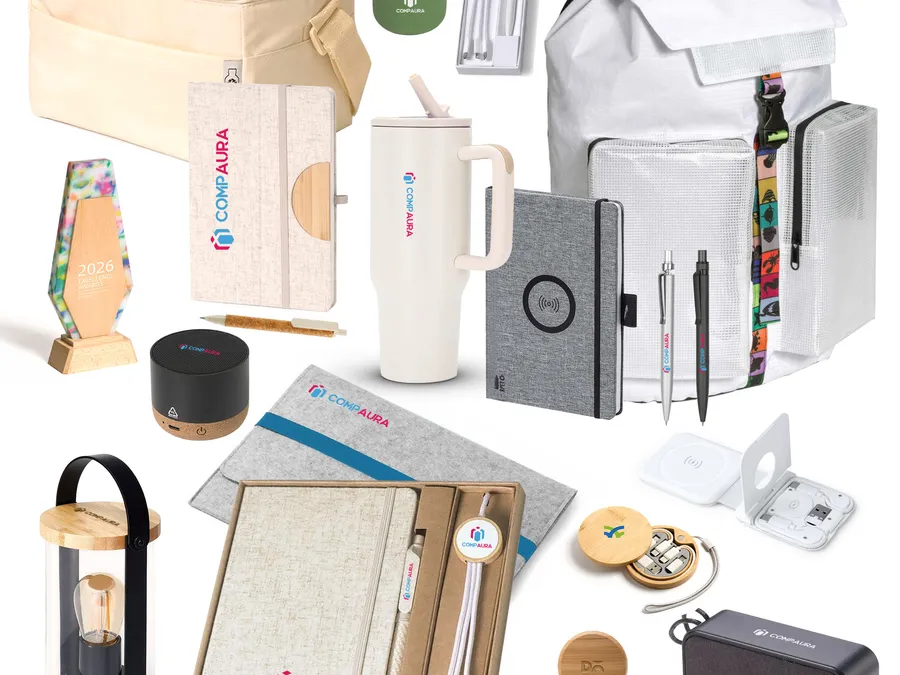
Business Gift Sets
Business gift sets and opening ceremony gifts with your logo — complete branded sets for corporate launches, anniversaries and holiday gifting.
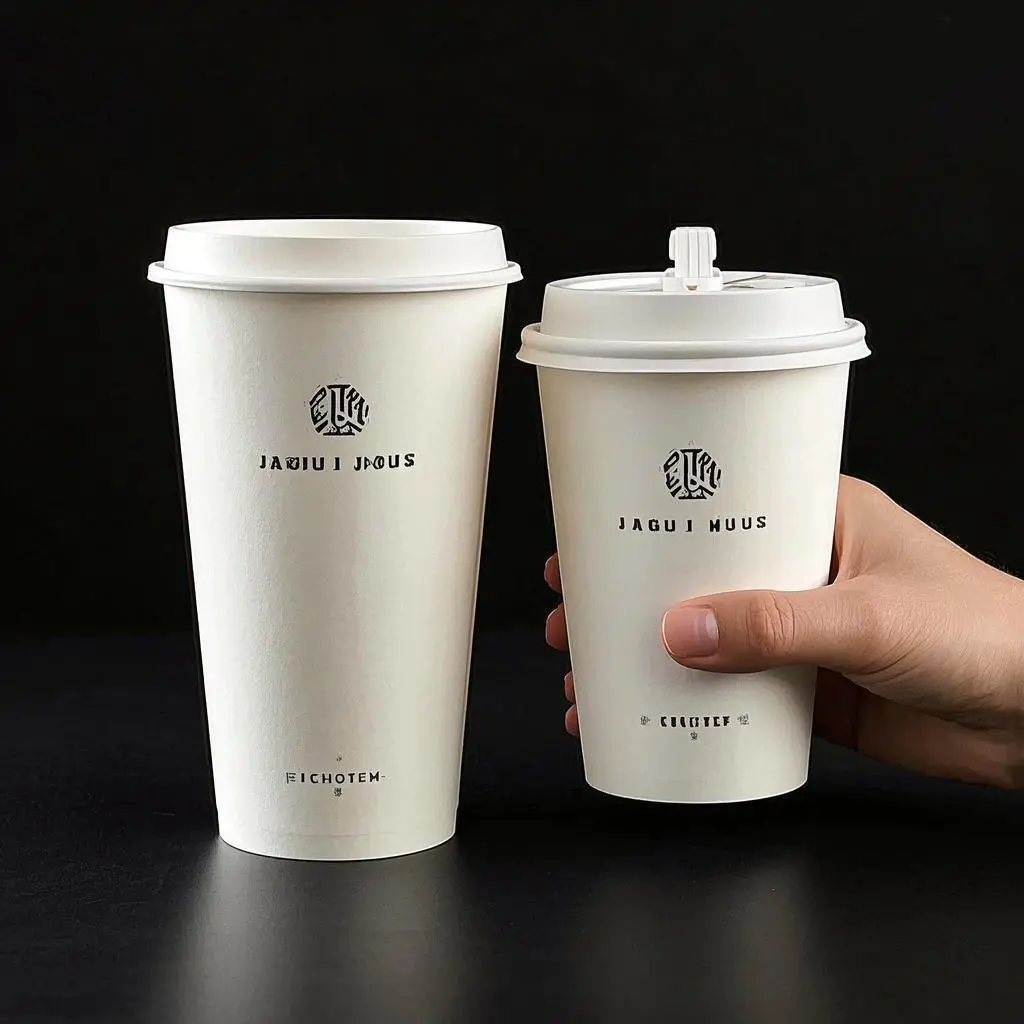
Custom Printed Coffee Cups | Branded Paper Cups with Logo
Custom printed coffee cups with your logo from just 1 piece—food-grade, hot/cold ready, free layout design and fast samples in 1-3 days.
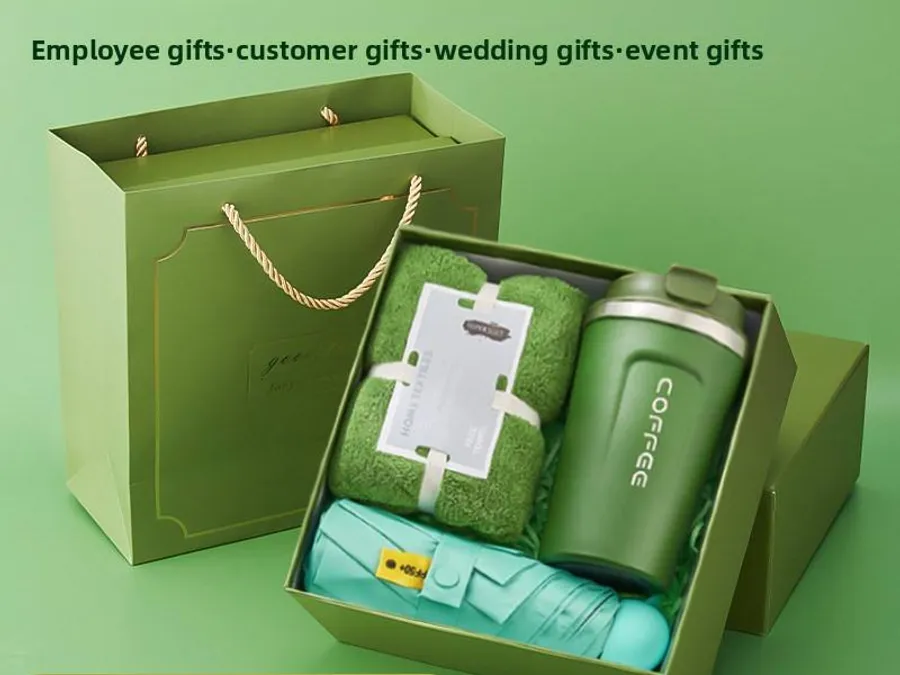
Corporate Gifts
Corporate gifts custom-made with your logo — USB drives, nail clipper sets, notebooks, mugs and more. One-stop corporate gift sourcing with low MOQ.