Custom Couple Shirts Manufacturer – Printed Matching T-Shirts for Couples, Teams and Gifts, 1 pc MOQ
Custom couple shirts in 220 g to 300 g combed cotton, printed with your photo, name or hand-drawn design. Seven print zones, kids sizes, 1 pc MOQ, free design.
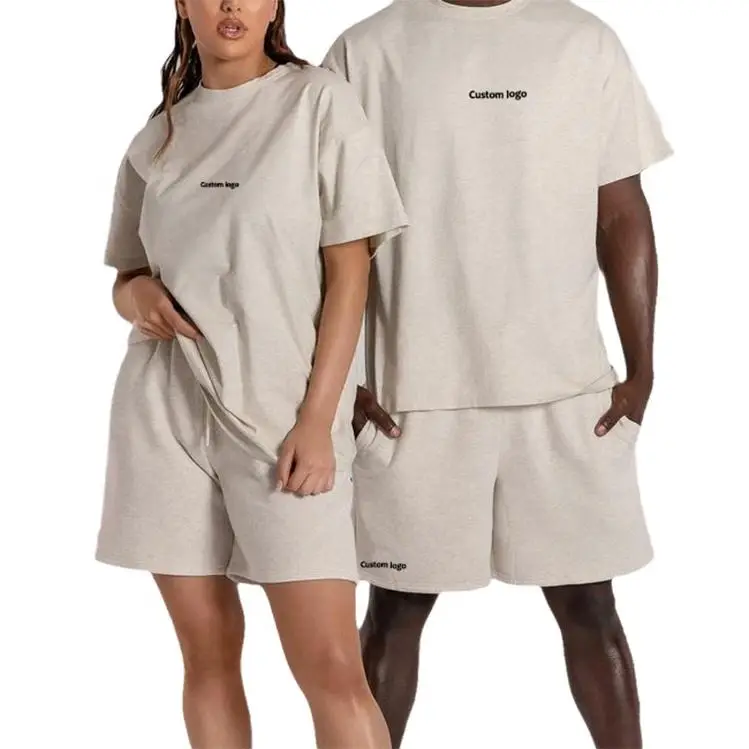
Custom Couple Shirts for Weddings, Anniversaries and Gifts
Yichico is a custom couple shirts manufacturer printing matching T-shirts for couples, families, wedding parties, class groups and small teams. You choose the colour, weight and cut, send a photograph, a name, a hand-drawn design or just the idea, and a designer lays it out and returns an effect preview before anything is printed. One-piece minimum with free design, samples in 1-3 days and production in 2-10 days apply across the range.
A matching pair of shirts is one of the few garments bought entirely for what it says rather than what it is. That changes the buying decision: the fabric has to survive being worn in photographs, washed repeatedly and worn again on the anniversary; the print has to be legible at arm’s length; and the two shirts have to work as one image when they stand next to each other. The four weights and the seven print positions below are what decide whether that happens.
Seven Print Positions, and Why Position Matters
The same artwork reads completely differently depending on where it sits, and most disappointing couple shirts are a positioning problem rather than a printing problem.
- Centre chest — the classic. Best for a photograph, a portrait illustration or a large graphic that should be the front of the shirt.
- Left chest — small, restrained and the most wearable position in public. Best for initials, a date or a small emblem.
- Waist — a lower placement that suits longer line artwork and text set across the body.
- Sleeve cuff — a short strip of text, a name or a symbol. The most subtle option, and the most popular position for couple shirts that are worn outside the occasion.
- Back — the position for the artwork that should be seen by everyone behind, including across a room.
- Back neck — a small internal placement, typically a date, initials or a short line. Seen by the wearer and anyone standing close.
- Back hem — a strip along the bottom edge, often used for a second line of text that pairs with the back print.
Artwork colour, lettering colour, size and position can all be changed, and designs are laid out by a designer one to one rather than being dropped into a template. Non-standard positions are quoted rather than refused.
One note for wedding and registration photographs: the two halves of a mirrored design do not always sit on the same side in every market’s photographic convention. Tell us which way round you need it in the order notes — male and female layouts can be swapped — because once the artwork is finalised the design is locked and the print positions cannot be moved.
Choosing the Cotton: 220 g, 230 g, 240 g and 300 g
Four weights cover the range, and the difference between them is structure and opacity rather than quality — all four are combed cotton.
220 g combed cotton. The everyday weight. Soft, breathable and light enough to wear in summer, with the widest colour range of any line. This is the default for couple shirts, class shirts and event orders.
230 g double-yarn cotton in long-staple fibre. Heavier, denser and more structured, cut in a modified drop-shoulder loose fit. Long-staple fibre is the reason it feels smoother and holds its shape: the individual fibres are longer, so the yarn is stronger and the fabric pills less. The practical benefit for couple shirts is opacity — light and pale base colours do not show through, which is what makes white, off-white and pale blue prints viable.
240 g. The step up in hand feel for orders where the shirt is intended to be kept rather than worn once.
300 g pure cotton. The heaviest option, in a fitted, regular or loose cut across a smaller size run, with its own colour set. Choose this when the shirt is the gift rather than the packaging.
All four lines are listed as resistant to pilling, fading and distortion with washing, with high colourfastness and no show-through on the lighter colours.
Collar, Cuffs and Hems: Why These Shirts Survive
A printed T-shirt fails at the collar first. That is where the fabric is pulled every time it goes on, and where a cheap ribbing stretches out and turns a printed shirt into an old one within a month.
Widened ribbed collar. A wider ribbed collar band holds its shape, resists stretching and adapts to different neck sizes — which matters on a group order where one size has to fit several wearers. Bound and taped through the neck seam, it survives repeated machine washing and dressing.
Taped shoulders. A tape strip runs along the shoulder seams and ties the sleeve, shoulder and body together. It is what stops shoulders collapsing and the shirt distorting through the neck.
Seamless tubular cuffs. Cuffs are knitted as a tube rather than seamed, so there is no seam edge to rub and no binding to break. The sleeve keeps its line and does not crease.
Double-needle six-thread stitching and a double-stitched hem. High-stress seams are double-needle six-thread and the hem is double-stitched and overlocked, so it resists rolling, does not curl, and does not open up after a season of washing.
Double-needle reinforced cuffs. A second needle line on the cuff edge, which is the cheapest place to skip construction and the first place wear shows.
Couple, Family, Class and Team Orders
The same programme covers four different sizes of order, and they differ mostly in how the sizes are gathered.
Couples. Two shirts, usually in one colour, with a design split across the pair. Because there is no plate fee and no minimum beyond the piece itself, this is the simplest order in the range.
Families. Adult and kids sizes in the same colour and design. Kids sizing sits alongside the adult run so the set stays consistent.
Class and team groups. Send the list of colours and sizes — one line per wearer, for example a colour, a size and a design option — and the whole group is printed from a single artwork. This is where the free-design stage earns its keep, because one layout has to read correctly across many sizes.
Anniversary, wedding and registration photos. These orders are usually short-sleeved and light, worn once for the photograph and then kept. The mirrored layout note above applies.
Artwork: Photo, Name, Hand-Drawn or AI-Generated
What goes on the shirt is limited by the file rather than by the printing.
Photographs. Send the highest-resolution file you have. A phone photo is usually sufficient for a chest print; a low-resolution image cannot be enlarged, and no amount of retouching recovers detail that was never in the file.
Names and lettering. Name printing is the most requested option and the simplest to lay out. Font, colour and position are chosen from the preview.
Hand-drawn designs and illustrations. Illustrated and cartoon-style artwork is produced or adapted, and elements within it — colours, characters, placement — can be adjusted.
AI-generated couple artwork. A portrait or illustrated avatar can be generated for the pair and printed, which is the option for anyone who wants a specific look without an existing design file.
Whichever route you take, artwork is redrawn and cleaned up, and the preview is issued on the actual base colour — a design that looks correct on a white screen behaves differently on pale blue or black.
Colours and Sizes
The colour range is deliberately wide because couple shirts are usually bought to match something else — a wedding palette, a school colour, a photograph. Across the lines the range runs from white, off-white and cream apricot through black, dark-night grey, flower grey, dark grey and coffee, into the blues (sky, lake, Tiffany, royal, navy, haze), the greens (light, grass, dark, aqua, fruit), the yellows and oranges (yellow, ginger yellow, papaya orange, orange-red), the pinks and purples (light pink, dusty pink, rose red, light purple, taro purple, grape purple), plus red, date red, wine red, khaki and mocha.
Sizes run on separate charts per line: the 300 g cotton line covers S to 2XL, the heavier lines extend from S or XS up through XL, 2XL, 3XL and 4XL depending on cut, and kids sizes are available alongside the adult run. The drop-shoulder styles are loose by design, so a normal size already gives the looser look — there is no need to size up for a relaxed fit, and on that line the advice is to take the smaller size where a wearer sits between two bands. All charts are measured flat by hand with a tolerance of 1-3 cm, and 2-4 cm on some lines.
Weight references are split by build on the larger charts: for a slimmer frame the height reference matters more, and for a heavier frame the weight reference does. Send the measurements and the matching is done before production.
Specifications
| Specification | Details |
|---|---|
| Product type | Custom printed couple shirts, matching sets for couples, families, classes and small teams |
| Fabrics | 220 g combed cotton; 230 g double-yarn long-staple cotton; 240 g heavy cotton; 300 g pure cotton |
| Fabric properties | Combed cotton, high colourfastness, listed as resistant to pilling, fading and distortion; no show-through on light colours |
| Construction | Widened ribbed collar, bound and taped neck seam, seamless tubular cuffs, taped shoulders, double-needle six-thread stitching, double-stitched hem |
| Cuts | Regular; modified drop-shoulder loose fit on the 230 g line; fitted, regular or loose on the 300 g line |
| Print positions | Centre chest, left chest, waist, sleeve cuff, back, back neck, back hem |
| Customisable on artwork | Pattern colour, lettering colour, artwork size and position |
| Artwork accepted | Photograph, name and lettering, hand-drawn or illustrated design, AI-generated couple artwork |
| Sizes | S-2XL on the 300 g line; up to 4XL on other lines; kids sizes available alongside adult |
| Measurement tolerance | 1-3 cm flat hand measurement, 2-4 cm on some lines |
| MOQ | 1 pc, with free design at any quantity |
| Sample time | 1-3 days |
| Production time | 2-10 days |
| Care | Cold wash, separate dark from light colours, do not mix with dark garments, avoid soaking in hot water |
How an Order Runs
Four steps. Choose the colour, weight and size. Send the photograph, the name or the design idea, together with the print position — one line per wearer if it is a group order, plus the mirrored-layout note if the shirts are for a photograph. A designer lays out the artwork and issues an effect preview. Production starts once the preview is confirmed.
The important boundary in that sequence is the point of confirmation. The design and the colour are locked when production is scheduled, and the colour cannot be changed after that — so the preview stage is where every decision should be made final. Because the print is specific to you, the finished garment cannot be resold, and custom orders cannot be returned or refunded for reasons other than quality.
Colour is also the one thing to hold loosely: screens, output colour, inks and dyes all shift a colour, so the garment is the reference and not the monitor, and a reorder should be expected to be close rather than identical to the first delivery.
Care
Cold wash, and separate dark colours from light. Do not mix with dark garments in the same load. Avoid soaking in hot water, which is what shrinks cotton, and keep soaking times short. On the printed area, wash the shirt inside out and avoid scrubbing directly on the artwork.
Three things worth passing to whoever runs the laundry: lower temperatures protect both the cotton and the print; separation protects the pale base colours that make the lighter designs work; and a printed shirt should not be washed immediately after it arrives, because the print needs time to cure fully into the fabric.
Why Order From Yichi
Couple shirts are usually small orders, and small orders are exactly what this category is normally bad at. The range is built for them: no design fee at one piece, no plate fee, seven standard print positions, kids sizes on the same programme as the adult run, and four cotton weights so a two-shirt order and a two-hundred-shirt class order get the same construction — a widened ribbed collar, taped shoulders and double-needle stitching rather than the stripped-back build that usually arrives at low quantities.
We have produced branded and team apparel for corporate, hospitality and event programmes for twenty years, and the details that come back as complaints on this category are the ones designed out here: a collar that does not stretch, a hem that does not curl, a pale colour that does not show through, and a layout that reads correctly once the pair stands side by side.
Building a set for a wedding party or an event? Match the shirts with promotional gifts for caps, bags and giveaway pieces that carry the same artwork, so the whole group is branded from one supplier.
Send your artwork, colour, size list and print position through the contact page and we will come back with a quote and a free effect preview.
Frequently Asked Questions
What is the MOQ for custom couple shirts?
Where on the shirt can the design be printed?
Which cotton should we choose?
Can you print on kids sizes too?
How do we handle the male and female layouts?
Will the print survive washing?
You May Also Need

Custom Printed Balloons – Free Design & Bulk
Custom printed balloons with free design & 1-on-1 support. MOQ of just 1. Silk-screen logo printing on 230 colors. CE-certified quality for promotions & events
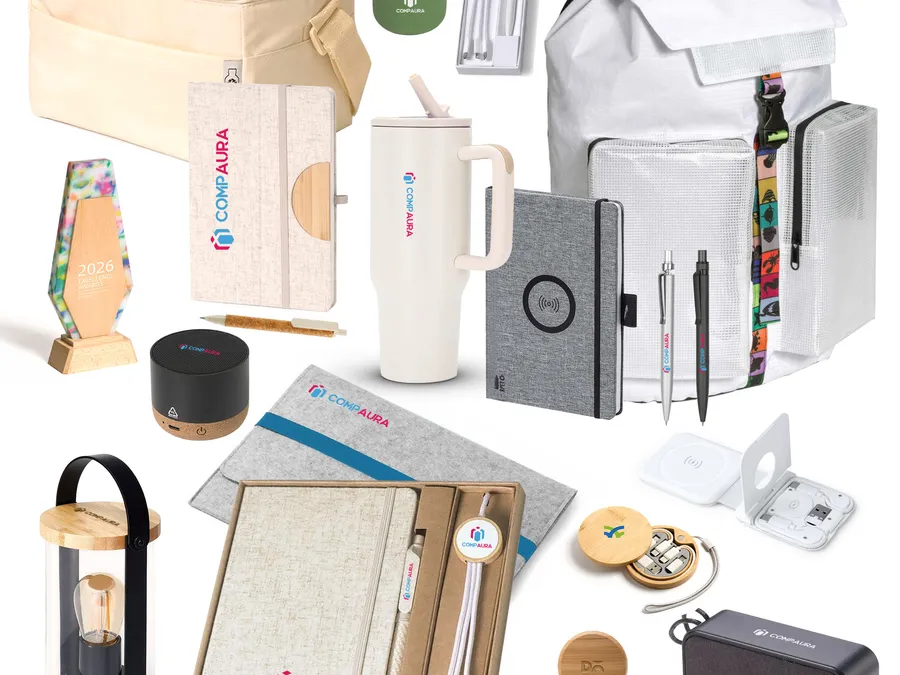
Business Gift Sets
Business gift sets and opening ceremony gifts with your logo — complete branded sets for corporate launches, anniversaries and holiday gifting.
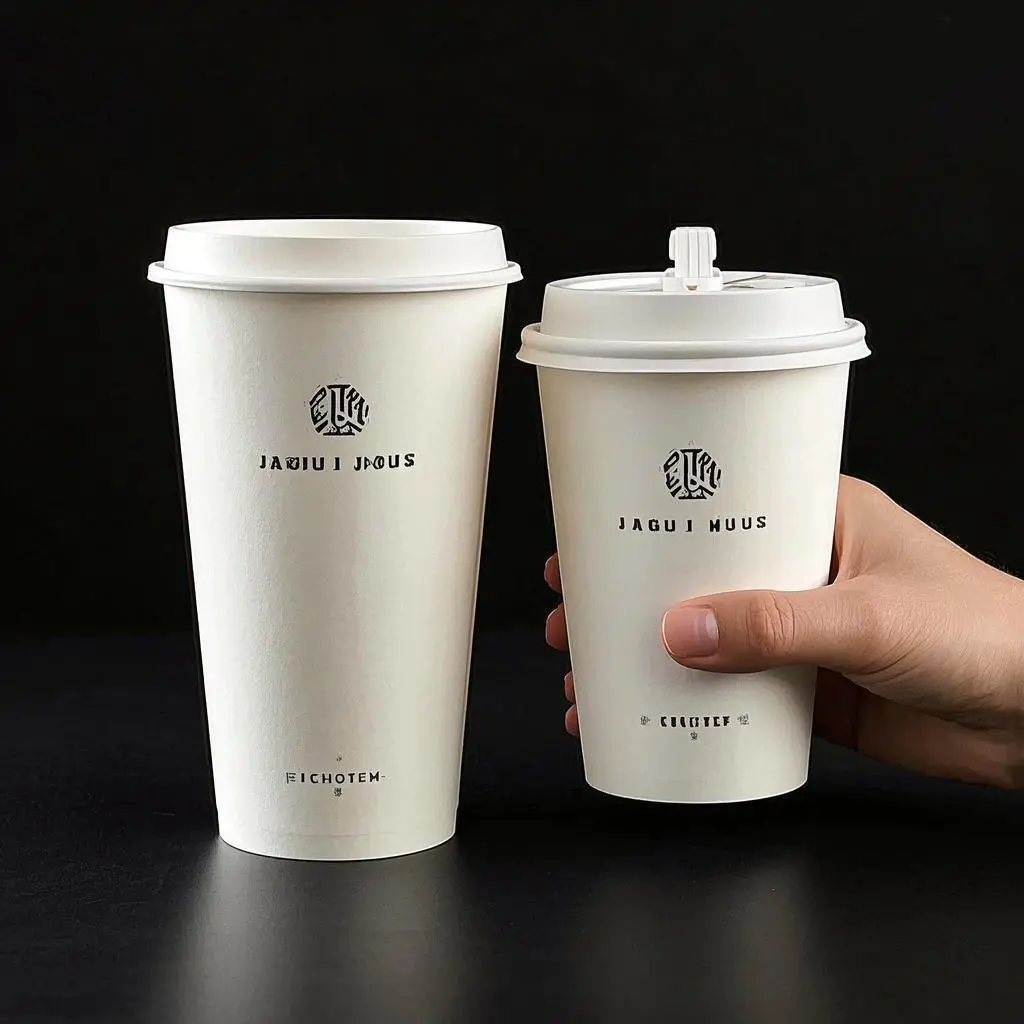
Custom Printed Coffee Cups | Branded Paper Cups with Logo
Custom printed coffee cups with your logo from just 1 piece—food-grade, hot/cold ready, free layout design and fast samples in 1-3 days.
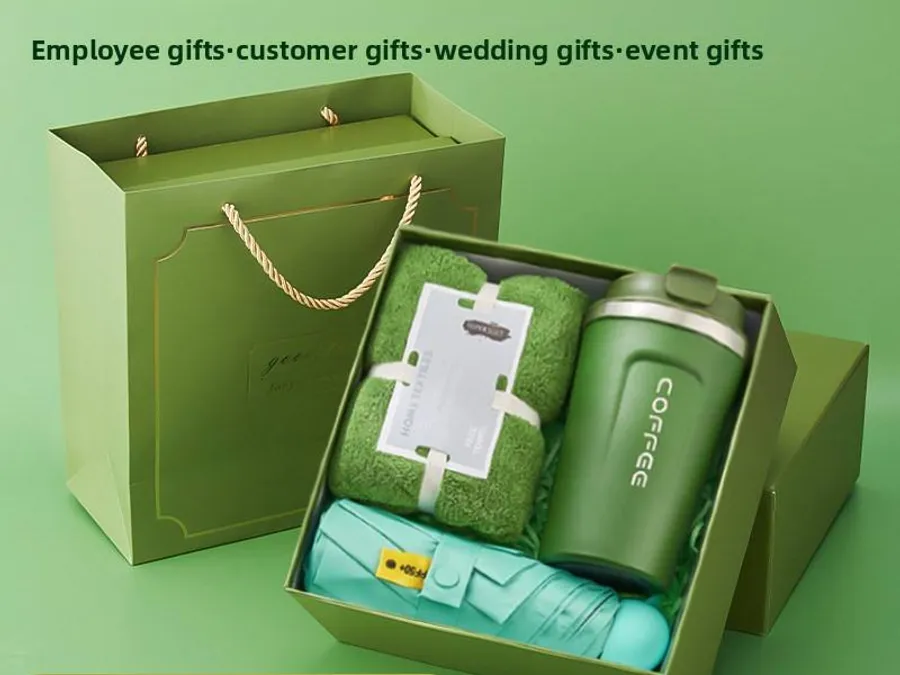
Corporate Gifts
Corporate gifts custom-made with your logo — USB drives, nail clipper sets, notebooks, mugs and more. One-stop corporate gift sourcing with low MOQ.