Custom Flashlights Manufacturer – Aluminium LED Torches, Logo Engraved, 1 pc MOQ
Custom LED flashlights in aluminium with XPE or CREE emitters, zoom or fixed focus, three light modes and USB charging. Logo engraving. 1 pc MOQ.
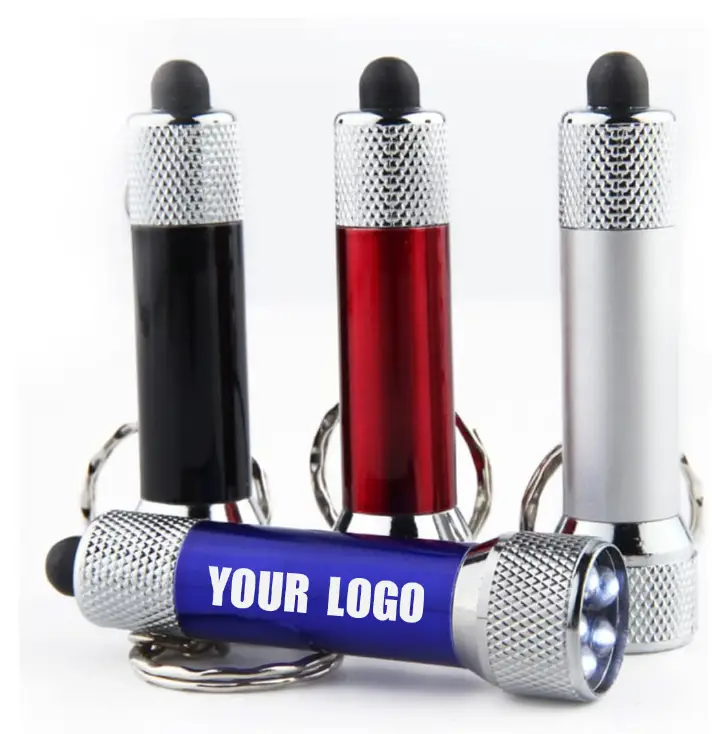
Custom LED Flashlights with Your Logo — Aluminium, USB Recharge
Yichi is a custom flashlight manufacturer in Zhejiang, China, producing branded torches across three sizes: a keyring torch at 1.6 x 10.2 cm and about 18 g, a USB aluminium torch at 2 x 9 cm and about 41 g, and a two-way aluminium torch at 2.2 x 9 cm and about 51 g. Bodies are aluminium with XPE or CREE emitters, three light modes — high, low and strobe — and a head that either zooms or holds a fixed focus. The rechargeable formats run a 14500 lithium cell charged through a Micro-USB port at the base, so they charge from any USB source. Logos go on by laser engraving or silk screen printing. Send a logo and we return a free effect preview before production. A one-piece minimum, samples in 1-3 days and production in 2-10 days apply across the range.
A torch is the promotional product people keep and forget they have — until the moment they need it, which is exactly why it stays in a bag for years. That makes it a good branding vehicle and a demanding product: it has to work when it is first switched on after a long gap, which means the cell has to hold charge, the switch has to survive being pressed by whatever else is in the bag, and the body has to take knocks without cracking. The decisions below are the ones that determine whether any of that happens.
Beam: Zoom, Fixed Focus and What 300 m Actually Means
Zoom. The head slides along the body, so one torch does two jobs. Pulling the head out turns the beam into a flood — the source material quotes the wide setting on the zoom formats as covering roughly 100 square metres, which is the setting for lighting a room, a tent interior, a workspace or a wide area at close range. Pushing the head back concentrates the beam into a tight spot, quoted at around 300 m of reach on the zoom formats, which is the setting for picking something out at distance: a path, a fence line, a vehicle at the end of a drive.
Fixed focus. A single permanent beam, no moving head. The pocket formats are quoted at about 80 m, described as centre-concentrated to throw further within a compact body. The advantage over zoom is mechanical: no sliding joint means one less place for water and grit to get in, and nothing to work loose over years in a bag.
Which to specify. Zoom is the right answer when the torch is a gift that has to cover several unknown uses, and when the recipient will notice the feature — the head movement is a visible, tactile difference. Fixed focus is the right answer for a small, robust everyday torch where the beam will almost always be used at the same kind of distance.
Two specifications worth asking about. Lens quality determines how much of the emitter’s output actually reaches the target rather than being scattered inside the housing — the source material describes a lens fitted specifically to widen and improve the illuminated area. And beam quality at the flood setting is where cheap torches show themselves: a flood with a bright centre and a dark ring is less useful than an even wash.
Three Modes: High, Low and Strobe
Three modes are produced across this range, and the third one is the reason the format works as an emergency item.
High. The working beam, used outdoors, at distance and where the surroundings are genuinely dark. It is the mode the beam figures quoted above refer to.
Low. The close-range mode — reading, looking through a bag, checking a connection, moving through a house at night without waking anyone. A torch that only has a high setting is unusable for these tasks, because the output is too bright at arm’s length. Low is also the mode that stretches the cell furthest, which matters on an item that may sit unused for months.
Strobe. A rapid flash, switched on for signalling rather than illumination. It is the mode that gives a torch a second life as a safety item: a breakdown at the roadside, a group separated on a hill, a request for attention across a car park. For a corporate programme aimed at drivers, field staff or anyone working outdoors, the strobe is the mode worth pointing out.
Side light on some models. Certain bodies in the range add a separately switched side light, which turns the torch into a small lantern for close work — useful when the torch is standing upright on a surface rather than being held.
Switching. The formats run a switch at the base or a head switch depending on the body. On a compact torch the switch design decides how easily the light is turned on by accident in a bag, which is a real drain on a cell that is expected to hold charge for months.
Aluminium Body, Weight and the Three Sizes
Aluminium. The bodies are aluminium, described on the source material as impact-resistant and built to take knocks — the reason the material is used rather than plastic. In use, an aluminium body means the torch can be dropped, carried loose in a bag and stored in a glovebox without cracking or deforming, and it is what allows the body to carry an engraved mark that will still be there in five years.
The three sizes, and what each is for.
| Format | Size | Weight | Notes |
|---|---|---|---|
| Keyring torch | 1.6 x 10.2 cm | approx. 18 g | Seven colours; silk screen or laser; OPP bag |
| USB aluminium torch | 2 x 9 cm (14 cm lanyard) | approx. 41 g, 71 g boxed | Laser; plastic box; three colours; box 11 x 4 x 4.2 cm |
| Two-way aluminium torch | 2.2 x 9 cm | approx. 51 g | Laser; plastic shell |
Why weight is the specification that matters most. A 18 g torch goes on a keyring and is genuinely with the user when it is needed. A 51 g torch is the one that gets left in a drawer. The heavier bodies carry more cell and a larger head, which means more output and a longer throw — so the choice is a straight trade between capability and whether the torch is actually carried. For a promotional programme the 18 g and 41 g formats are the ones that get used, because they are the ones that get carried.
Lanyard and pocket clip. The smaller formats ship with a lanyard — the USB torch with a 14 cm lanyard — and some bodies carry a clip. Both are what stop a compact torch being lost, which is otherwise the most common way a promotional torch leaves circulation.
Charging from USB: The 14500 Cell and What It Replaces
The cell. The rechargeable formats run a 14500 lithium cell — the size class that matches a standard AA form factor, which is why these torches feel substantial in the hand without being bulky.
The port. Charging goes through a Micro-USB socket at the rear of the body. The practical value of that choice is that the torch charges from anything with a USB socket: a car charger, a phone charger, a power bank, a laptop port, a wall socket. An outdoor kit does not need a proprietary charger, and a lost charging cradle does not turn the torch into waste — the two most common failure modes on rechargeable torches in this price band.
What it replaces. The rechargeable formats exist because of the alternative: a torch built around disposable cells that sits in a drawer until the batteries have leaked. A USB torch that charges in a couple of hours from a power bank is a materially different product for anyone who keeps a torch for emergencies — it is charged when the need arises rather than when the shops are open.
Non-rechargeable formats. The range also includes torches supplied without a battery or built around replaceable cells, which suits buyers whose market prefers a serviceable product or who want to avoid shipping lithium cells. If that is your requirement, say so at enquiry stage.
An honest note on runtime. Runtime on a torch of this size is measured in hours at the low setting and a good deal less at high, and no compact torch of this class runs at full output for a whole night. The figures worth comparing between two products are the cell capacity and the number of modes, not a single runtime claim.
Water Resistance and Impact: What the Ratings Cover
Two protection specifications are quoted across this range, and both are worth reading precisely.
Water resistance. The aluminium formats are described as water resistant — sealed against rain and splashes, and specified for damp conditions. There is also a version described as having a reinforced water-resistant build. What this means in practice: the torch can be used in the rain, stored in a damp bag, taken on a boat and wiped dry. What it does not mean is a diving rating — these torches are not specified for immersion. If the product is going to an outdoor or marine buyer whose requirement includes submerged use, raise it before the order rather than after.
Impact resistance. The bodies are described as impact resistant and built for rough handling, and the source material specifies the aluminium construction as suited to pressure as well as knocks. In use that covers the failure modes that actually occur: dropped on a path, crushed at the bottom of a bag, rolled around a glovebox. The lens and the switch are the parts that suffer first on any torch, which is why the sample stage is worth using to check both.
What to check on a sample. Fit and finish of the head joint on the zoom formats, since that is the moving part; the firmness of the switch; the evenness of the flood; and the seal at the charging port cover, which is the one place water enters a rechargeable torch.
Logo Methods: Silk Screen, Laser and the Rest
Laser engraving. The standard route on these aluminium bodies. A laser cuts the mark into the metal in a single tone that follows the surface finish, and it does not lift, fade or peel — the property that matters on a torch carried on a keyring and knocked against keys. It is the right process for a wordmark, a monogram, a model name or a short line.
Silk screen printing. Carries colour onto the body, and is the route where the artwork is multi-colour or where a specific colour has to be matched. On a coated or anodised body the print sits on the surface, so it is a little more exposed than an engraved mark on a body that is handled daily.
The printable band. On these compact bodies the flat area is a narrow band along the barrel, between the head and the tail. That band is what limits the artwork: a compact wordmark, an abbreviated mark or a short line reads well; a wide logo with fine detail does not. Supply the artwork against the actual barrel length and the free preview will show it at true scale.
Where the mark goes. The barrel is the primary position and the only surface with usable area on the smallest format. Some bodies can also take a mark on the tail or the head, and a small mark on the tail reads clearly when the torch is standing on a surface.
Position on a two-way or zoom body. Because the head slides, the mark must sit on the fixed section of the barrel rather than on the moving part — a detail worth confirming in the preview, since a mark placed on the moving section would be obscured whenever the torch is zoomed.
Specifications
| Attribute | Details |
|---|---|
| Material | Aluminium; aluminium with electronic components on the two-way format |
| Emitter | XPE high-power LED; CREE LED |
| Light modes | Three: high, low, strobe; separately switched side light on some models |
| Beam | Zoom (approx. 300 m concentrated; approx. 100 sq m flood) or fixed focus (approx. 80 m) |
| Battery | 14500 lithium cell on rechargeable formats; replaceable-cell formats also produced |
| Charging | USB via Micro-USB port at the base; charges from any USB source |
| Water resistance | Water resistant against rain and splashes; not specified for immersion |
| Impact | Impact resistant aluminium body; specified for damp and pressure |
| Sizes | 1.6 x 10.2 cm; 2 x 9 cm with 14 cm lanyard; 2.2 x 9 cm |
| Weight | approx. 18 g; approx. 41 g (71 g boxed); approx. 51 g |
| Colours | Gloss black, grey-black, rose gold, midnight black; seven-colour options on the keyring format |
| Accessories | USB charging cable; anti-drop lanyard |
| Branding | Laser engraving (single tone) or silk screen printing (colour) on the barrel |
| Packaging | OPP bag; plastic box (11 x 4 x 4.2 cm); plastic shell |
| MOQ | 1 pc |
| Sample Time | 1-3 days |
| Production Time | 2-10 days |
Artwork Requirements
A vector file — AI, EPS, CDR, PSD or PDF — with text converted to curves is the cleanest input. Raster artwork should be sent at the highest resolution available.
Design to the barrel band. The printable area on a compact torch is a narrow strip along the barrel. Artwork should be laid out to that proportion, with the key element inside the flat centre, and the wording kept short enough to remain legible at the size it will actually print.
Single tone or colour. Decide before artwork is finalised whether the mark is a laser engraving or a silk screen print. A fine multi-colour mark that prints cleanly may not read as a single engraved tone, and a mark designed for engraving may look thin when printed in colour.
Position on zoom bodies. Confirm that the mark sits on the fixed section of the barrel, so that it stays visible when the head is extended.
One preview, then production. The preview is issued before printing or engraving and is the stage at which position, size and colour are settled. After it is confirmed the artwork is fixed, because a marked torch cannot be reworked or resold.
Where Branded Flashlights Get Used
Corporate and staff kits. A torch printed with the company mark and issued with a work kit, a vehicle pack or a health-and-safety programme, where the strobe and the low mode both have a practical role.
Outdoor, camping and travel brands. Torches carrying a brand mark and given or sold to customers — a format that suits the category because the product is genuinely part of the activity rather than a novelty.
Emergency, rescue and patrol equipment. Torches specified for rain resistance and impact, printed with an organisation’s mark for teams, volunteer groups and site security.
Automotive and roadside programmes. Compact formats placed in a glovebox or a breakdown kit, where the strobe is the mode that matters and the USB charging removes the dependence on disposable cells.
Retail and channel promotion. Keyring and pocket formats used as a purchase premium or a seasonal giveaway, printed with a retailer’s mark and a campaign line.
Trade shows and events. Torches given away at exhibitions where the item has to be small enough to carry home, useful enough to be kept, and printed with a mark that reads at arm’s length.
How an Order Runs
- Send the artwork or the brief. A vector logo file, a colour reference, or a description of where the torch will be kept and used.
- Format selection. We match the brief to a size, a beam type and a battery configuration from the range.
- Effect preview. A free preview of the mark on the barrel, at true scale, before anything is produced.
- Sample. Samples run in 1-3 days from confirmed artwork, so the beam, the switch action and the weight of the mark can be checked in the hand.
- Production. Bulk production in 2-10 days from approval, with the beam, the modes and the port seal checked before packing.
- Packing and shipment. OPP bag, plastic box or plastic shell as specified, with cable and lanyard included.
Why Order From Yichi
A one-piece minimum. One engraved torch is enough to judge the beam, the weight and the mark — which is how an outdoor brand or a safety team de-risks a kit order before it is placed.
A free preview before production. Because a branded torch carries your artwork and cannot be resold, the preview stage does the work that a returns policy cannot. Use it — including on a single unit.
Three sizes on one page. The 18 g, 41 g and 51 g formats cover the full range from keyring giveaway to kit torch, so one order can carry several positions in a programme.
Charging that removes the dependency. A Micro-USB port means any USB source charges the torch, so a lost cable does not retire the product and an emergency kit does not need a proprietary charger.
A one-year warranty. The source material for this range includes a one-year warranty on the torches.
Fast turnaround on both ends. Samples in 1-3 days and bulk production in 2-10 days from confirmed artwork.
Tell us where the torch will live and what it has to do — a keyring, a glovebox, a patrol kit or a camping pack — and we will recommend the format and return a free effect preview. Request a quote or send your artwork directly and we will come back with a recommendation and a proof.
Frequently Asked Questions
What is the MOQ for custom flashlights?
What is the difference between zoom and fixed focus?
Which LED emitters are used?
How many light modes do the torches have?
How do the torches charge, and what batteries do they use?
Are the torches waterproof?
What sizes and weights are the torches?
How is a logo applied to an aluminium torch?
You May Also Need
Custom Printed Balloons – Free Design & Bulk
Custom printed balloons with free design & 1-on-1 support. MOQ of just 1. Silk-screen logo printing on 230 colors. CE-certified quality for promotions & events
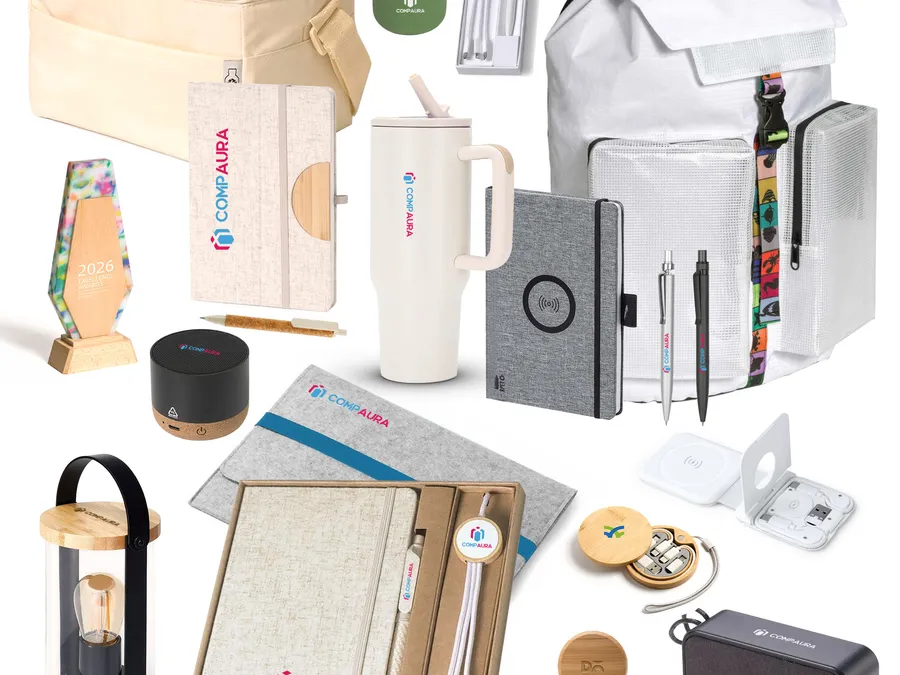
Business Gift Sets
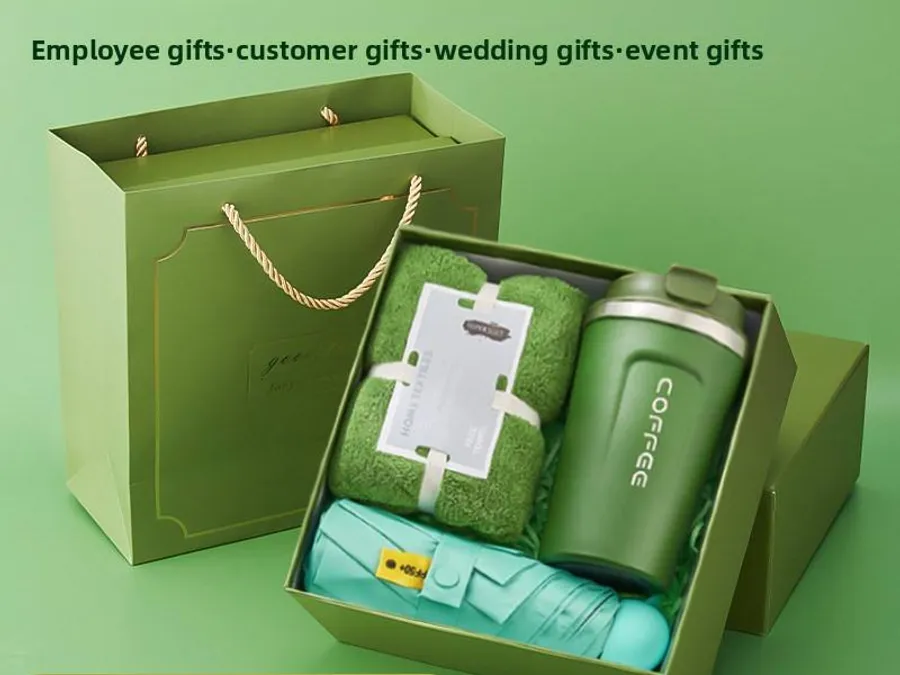
Business gift sets and opening ceremony gifts with your logo — complete branded sets for corporate launches, anniversaries and holiday gifting.
Custom Printed Coffee Cups | Branded Paper Cups with Logo
Custom printed coffee cups with your logo from just 1 piece—food-grade, hot/cold ready, free layout design and fast samples in 1-3 days.
Corporate Gifts
Corporate gifts custom-made with your logo — USB drives, nail clipper sets, notebooks, mugs and more. One-stop corporate gift sourcing with low MOQ.