Custom Glass Liquor Bottles Manufacturer – 500 ml Empty Bottles with Logo & Gift Boxes
Custom glass liquor bottles in 250-750 ml with food-grade silicone seals, gold or acrylic caps, screen printing and gift box sets. 1 pc MOQ, 1-3 day samples.
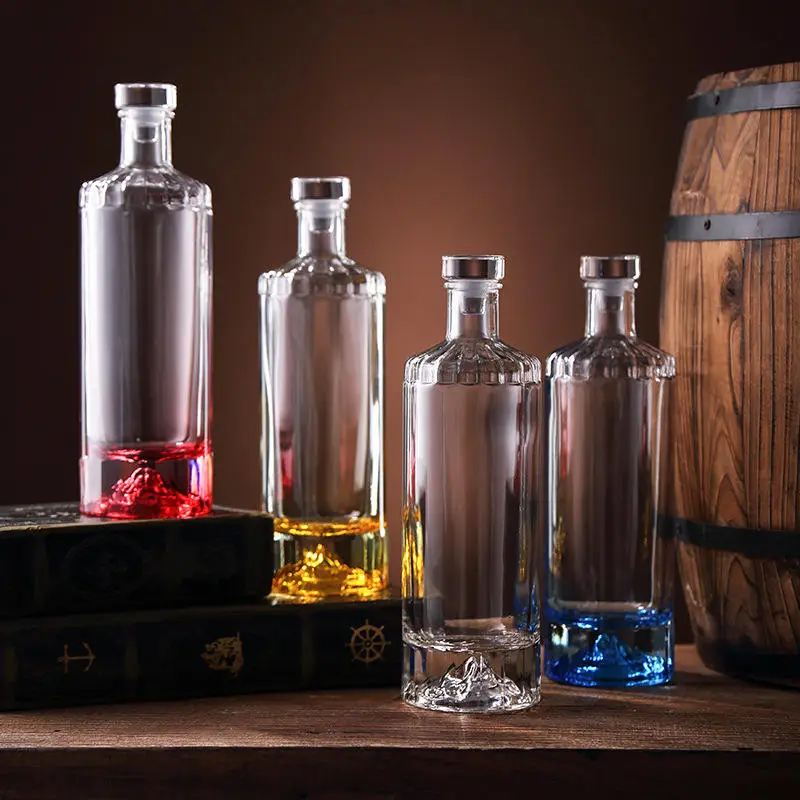
Custom Glass Liquor Bottles with Seals, Caps and Gift Boxes
Yichico is a custom glass liquor bottle manufacturer supplying empty branded bottles, caps, gift boxes and full presentation sets to distilleries, baijiu and spirits brands, wineries, wedding and gift companies, corporate gift programmes and home-brewing suppliers. Bottles are available in 250 ml, 500 ml and 750 ml formats, decorated by screen printing, kiln-fired enamel, gilding or 3D printing, and packed with food-grade silicone seals. One-piece MOQ with small-batch customisation, samples in 1-3 days and production in 2-10 days.
A bottle is the one part of a drinks brand that the customer holds, refills and keeps on a shelf long after the contents are gone. That makes it worth choosing on the three things that decide whether it performs: the seal, the glass, and the decoration method.
Matching Bottle to Spirit and to the Shelf
The range is built around 500 ml, the standard retail and gift size, with 250 ml and 750 ml formats available for tasting sets, miniature gift packs and premium lines. Within 500 ml there is a wide spread of proportions, and the selection usually turns on three measurements rather than on shape alone.
Neck diameter — 1.9 cm to 4.2 cm. This is the measurement that governs pouring and filling. A narrow neck suits spirits served in small measures and gives a controlled, fine pour; a wider neck fills faster on a small bottling line and accommodates a wider cap or a cork-style closure. If you are filling by hand rather than on a line, a neck at the wider end of the range saves real time per bottle.
Body diameter — 6.5 cm to 16 cm. Wider bodies give a larger print and label area, which is why decorative and gift-oriented bottles tend to sit at the wider end. Narrow, tall formats read as more classic and use shelf width more efficiently, which matters if the bottle is going into a retail planogram or a bar speed rail. Wide bottles need deeper box inserts, so body diameter and box are specified together.
Height — 18.5 cm to 29 cm. Height decides what the bottle looks like inside the gift box and whether it fits a standard retail shelf or a home cabinet. A 29 cm bottle is a statement piece that needs a matching tall box; an 18.5 cm bottle packs efficiently and suits multi-bottle sets.
All measurements are taken by hand, so a tolerance of 1-2 cm across a production batch should be expected. If the bottle has to fit an existing insert, a filling line or a display case, send those dimensions as well as the capacity you need, and the mould selection will be made against them rather than against capacity alone.
The Seal Is the Specification That Matters Most
A bottle that leaks has no value regardless of how it looks, and the seal is where cheap bottles fail.
Every bottle in this range uses a food-grade silicone gasket set into the cap. The assembly is tested repeatedly by shaking it through a full 360 degrees and by standing it inverted, and it is specified not to drip in either position. That is the relevant test for real use: bottles spend most of their lives upright, but the moment they are stacked, transported, chilled or laid on their side, an inferior gasket starts to weep.
Three practical consequences for buyers:
- Transport and storage are safe on their side, which matters for gift sets shipped as a sealed unit and for retail cartons that lie flat in a warehouse.
- The gasket is the part to re-specify, not the bottle, if you later find a leakage problem. It is a replaceable component, and its grade is what determines performance with high-alcohol spirits as well as with wine.
- For home-brewing customers, a positive seal is also a safety feature and not only a freshness one, for the reason set out under cleaning and safe use below.
Decoration: Screen Print, Kiln-Fired Enamel and Gilding, 3D Printing
Four decoration routes are available, and they differ in permanence and in what artwork they can carry.
Screen printing. Laid directly onto the glass in one or more colours. It handles solid shapes, lettering and simple marks with strong opacity, and it is the most economical option at volume. It suits brand names, capacity markings, batch text and regulatory information.
Kiln-fired decoration and gilding. Ceramic-based colour is applied and then fired onto the glass, so the image becomes part of the surface rather than a layer sitting on top of it. Fired decoration does not wash off, does not peel and does not wear away where the bottle is handled. Gilding adds a metallic finish for premium and commemorative lines, and it is the technique used where the design carries a crest, a seal, a festival motif or fine ornamental detail. Fired work gives the closest result to a printed ceramic label, and the printable area on most moulds is generous enough to carry a full wrap.
3D printing. Used for raised, dimensional graphics and for short runs where tooling a moulded design is not justified. It also suits personalised items — single bottles for weddings, anniversaries and corporate awards — where each unit carries a different name or date.
Custom adhesive labels. Where a design is still being tested, or where the same bottle body has to serve several products, printed labels give flexibility without changing the glass.
Separately, on selected moulds the glass itself carries a moulded relief pattern — the embossed textures and faceted surfaces that catch light and make a plain bottle look considered. This is set by the mould rather than by printing, so it is chosen at the specification stage, and it combines well with a printed or fired design on top.
Caps: Gold, Acrylic and Press-Fit
The cap changes the perceived value of the bottle more than any other single component.
Gold-finish caps give the classic premium look and pair with traditional spirit and gift packaging. Acrylic caps are the more modern option — a thicker, heavier cap with a smooth glossy face, often the better match for a contemporary brand or a coloured glass bottle. Press-fit decorative caps with a shaped top are used where the cap itself is part of the design, and the internal gasket is the same food-grade silicone in every case.
Whichever cap is chosen, the fit is matched to the neck diameter of the mould, so caps and bottles are quoted together as one specification rather than sourced separately. That matters on a reorder: if you reorder bottles from one line and caps from a stock supplier, the gasket compression can be wrong and the leak returns.
Specifications
| Specification | Details |
|---|---|
| Product name | Custom glass liquor bottle / empty spirit bottle with logo |
| Material | Thickened high-white glass; high-transparency clear glass |
| Capacity | 250 ml, 500 ml and 750 ml formats |
| Bottle height | 18.5-29 cm |
| Neck opening | 1.9-4.2 cm |
| Maximum body diameter | 6.5-16 cm |
| Colour | Clear |
| Cap options | Gold-finish cap; acrylic cap; decorative press-fit cap |
| Seal | Food-grade silicone gasket; shake-tested through 360 degrees and inverted without dripping |
| Neck finish | Rounded, thickened and finely polished, no burrs, smooth pouring |
| Base | Thickened anti-slip base, wear resistant and stable |
| Surface design | Plain, or moulded relief and faceted textures on selected moulds |
| Decoration | Screen printing; kiln-fired enamel; gilding; 3D printing; custom adhesive labels |
| Gift packaging | Book-style gift box; brocade case with luxury lining; carry bag; six-compartment carton; foam-lined shipping box |
| Set configurations | 6 bottles + 6 boxes + 3 carry bags + 1 outer carton; 2 bottles + 2 boxes + 1 carry bag; 2 bottles + 1 brocade case |
| Shrink sealing | Heat-shrink neck sleeves available |
| Customisation routes | Supply your own artwork; commissioned design; adaptation of an existing layout |
| MOQ | 1 pc |
| Sample time | 1-3 days |
| Production time | 2-10 days |
Gift Sets: Box, Brocade Case and Carry Bag
Most bottle orders are presentation orders, and the packaging is quoted as part of the same line as the bottle.
Book-style gift boxes open like a book and hold the bottle in a formed cavity, with the brand printed on the face and the spine. This is the standard format for two-bottle and six-bottle gift sets and for retail multipacks. Brocade cases with luxury linings are the top tier — a fabric-wrapped case with a lined interior, used for wedding gifts, commemorative editions and high-value spirits. Outer cartons with six-compartment inserts protect multi-bottle sets in transit and double as retail shipper displays. Carry bags are quoted in matching quantities to the bottle sets — three bags to a six-bottle set, one to a two-bottle set — so the customer leaves the shop with a complete package rather than a loose carton.
Both the bottle and the box support customisation, including custom box artwork, so the printed design on the box can be matched to the fired or printed design on the bottle. For sealed retail units, heat-shrink neck sleeves are applied over the cap and neck: the sleeve is fitted and then tightened with warm air to close the bottle visibly, which is the simplest way to show a customer that a gift bottle has not been opened.
Set compositions in the range include six bottles with six boxes, three carry bags and one outer carton; two bottles with two boxes and one carry bag; and two bottles in a single lined brocade case.
Glass Quality, Breakage and What Arrives in the Crate
Two things about glass are worth stating plainly rather than discovering on delivery.
Minor imperfections are inherent to the process. Glass is formed at high temperature in a mould, and small bubbles and mould marks can occur within a production batch. This is normal for the material, not a defect, and any supplier claiming otherwise is describing a different product.
Breakage in transit is covered, on conditions. Bottles ship in foam-lined and compartmentalised packaging, and breakage is compensated at the bottle’s original price for the first 10 pieces, with larger losses replaced. The condition is inspection at delivery: check the crate before signing, count the items against the packing list, and report any breakage at that moment. Claims made more than 24 hours after signing cannot be accepted, because responsibility for the goods has transferred. If a crate arrives visibly damaged, photograph it before opening and before signing.
For orders combining bottles with gift boxes and carry bags, ask for the packing list to be itemised by component — it makes the receiving check a two-minute job instead of a recount.
Cleaning and Safe Use at Home
Instructions worth passing to your end customer, because they are the difference between a bottle that lasts years and one that cracks in the sink.
Cleaning: the glass is fired at 1500 °C, so it is chemically stable and simply needs cold or lukewarm water with white vinegar, which also restores clarity. Never use boiling or very hot water — the thermal shock can crack the glass.
Home winemaking: bottle only after secondary fermentation has finished, and always leave headspace. Fermentation releases gas; a bottle filled too near the neck can be pushed open by pressure or, in the worst case, crack. This is a genuine hazard rather than a theoretical one, and it is the single most important instruction for any customer using these bottles for homemade wine or spirits.
Filling: for spirits, fill to the specified level below the neck so the gasket seats correctly and the cap seals on the first turn.
MOQ, Design and Lead Times
Three routes are available for artwork, so you can order whether or not you already have a finished design:
- Supply your own artwork — send the vector file and we lay it out to the mould
- Commission the design — our designers produce the bottle and box layout, one-to-one, to your brief
- Adapt a template — start from an existing layout and adjust text, colours and content
The production flow is: provide the requirement, receive the layout and proof, approve the content, place the order, and then production begins. Content is checked and approved before cutting, and once production has started the artwork and the mould cannot be changed.
- MOQ: 1 pc, with small-batch customisation supported on both bottles and boxes
- Sample time: 1-3 days
- Production time: 2-10 days
- OEM and ODM: supported, including private-label packaging
- Personalised runs: 3D printing for individualised names, dates and awards
Why Order From Yichi
The failure that costs most in this category is not a poor design — it is a reorder that leaks because the caps came from a different source, or a gift set that arrives with broken bottles because the packaging was specified separately from the glass. Quoting bottle, cap, gasket, box and carry bag as one line is what prevents those outcomes, and it is why the seal is tested on the assembled unit rather than on the component. Small-batch customisation is supported from one piece, so a wedding, an awards run or a limited release is as straightforward to specify as a full production order.
Building a drinks or gifting range? Pair these bottles with glassware and gift items from the wider promotional gifts range so the table set, the packaging and the giveaway carry the same branding.
Send your capacity, the mould or proportions you prefer, the cap and seal requirements, and your artwork through the contact page and we will come back with a quote, a proof and a packaging specification.
Frequently Asked Questions
What is the MOQ for custom glass liquor bottles?
How well do the bottles seal?
Which decoration methods can be used on the bottle?
Are the bottles suitable for home winemaking?
What happens if bottles arrive broken?
You May Also Need
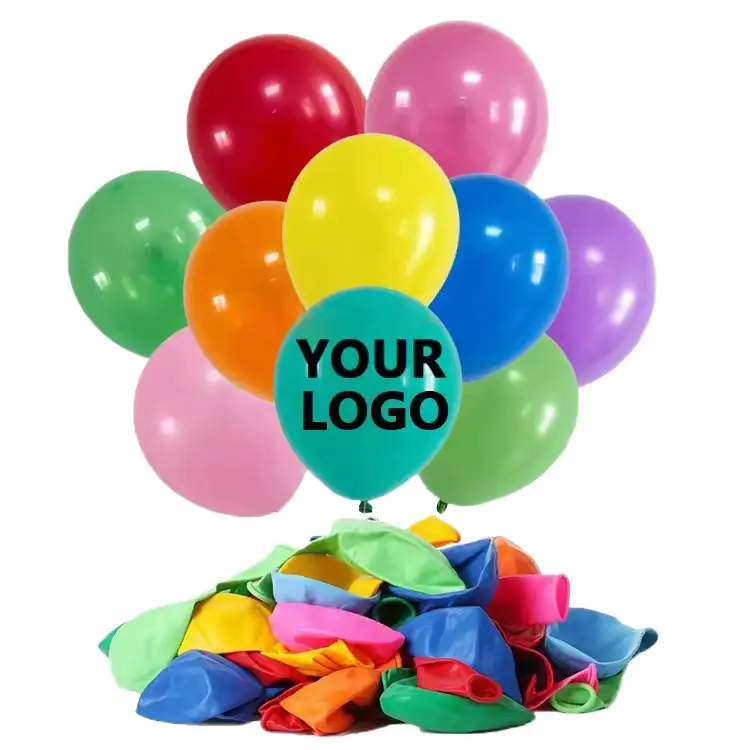
Custom Printed Balloons – Free Design & Bulk
Custom printed balloons with free design & 1-on-1 support. MOQ of just 1. Silk-screen logo printing on 230 colors. CE-certified quality for promotions & events
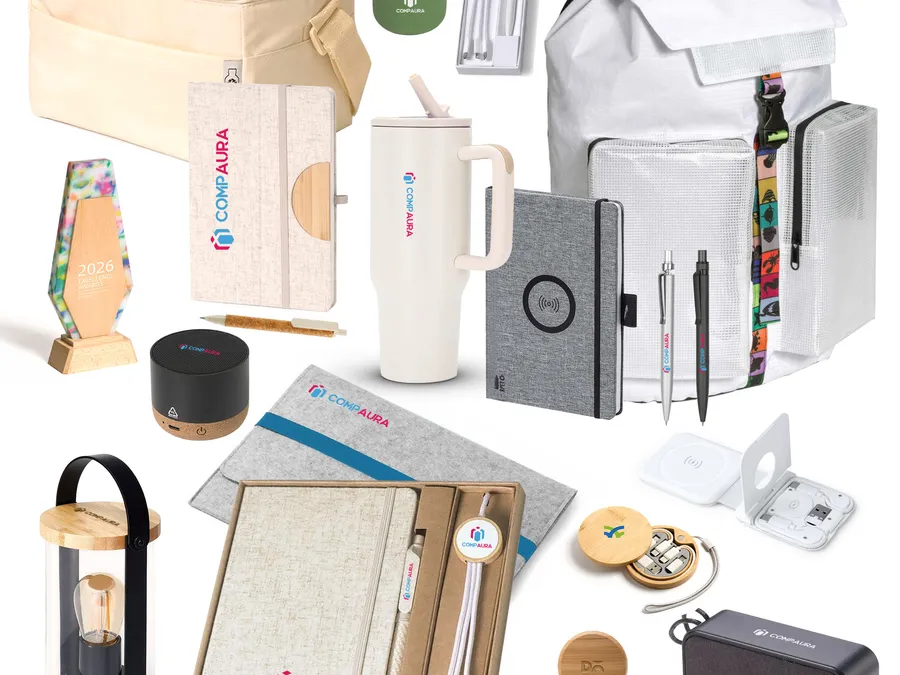
Business Gift Sets
Business gift sets and opening ceremony gifts with your logo — complete branded sets for corporate launches, anniversaries and holiday gifting.
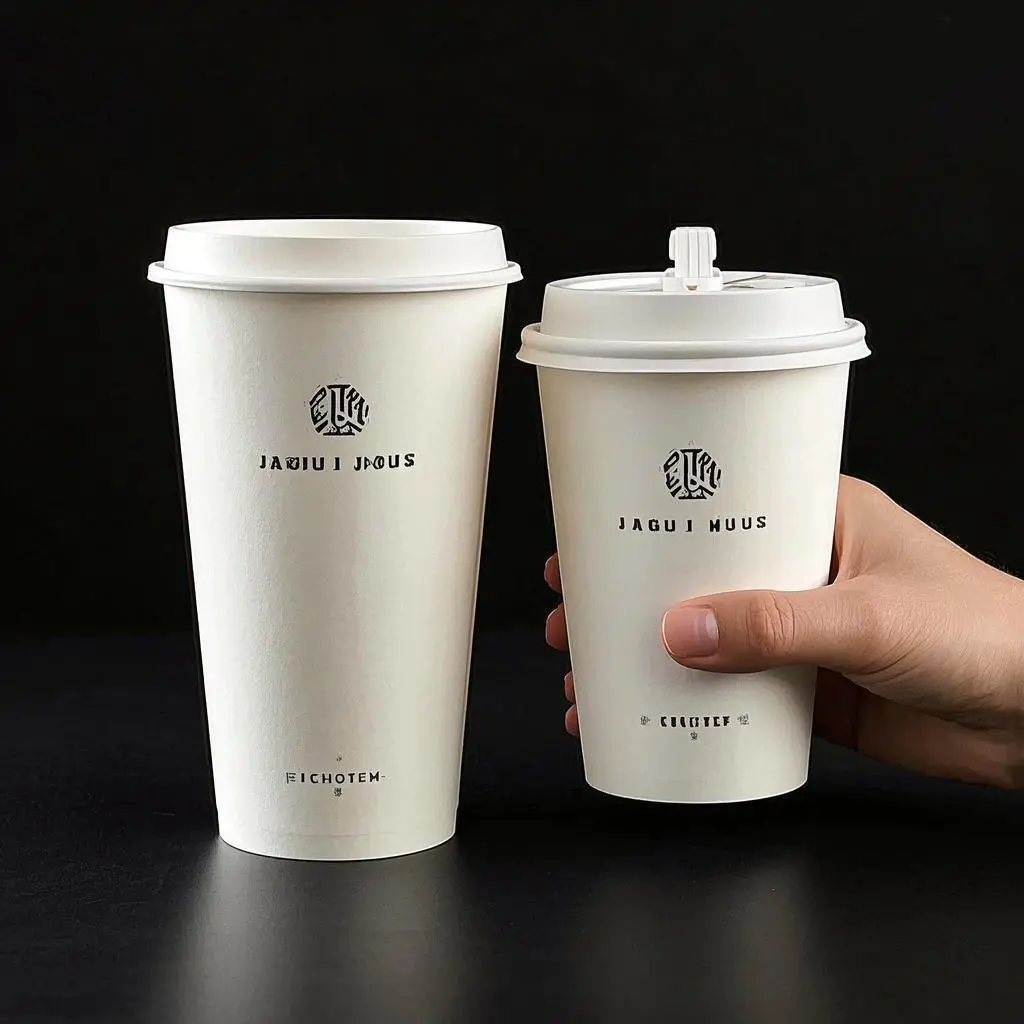
Custom Printed Coffee Cups | Branded Paper Cups with Logo
Custom printed coffee cups with your logo from just 1 piece—food-grade, hot/cold ready, free layout design and fast samples in 1-3 days.
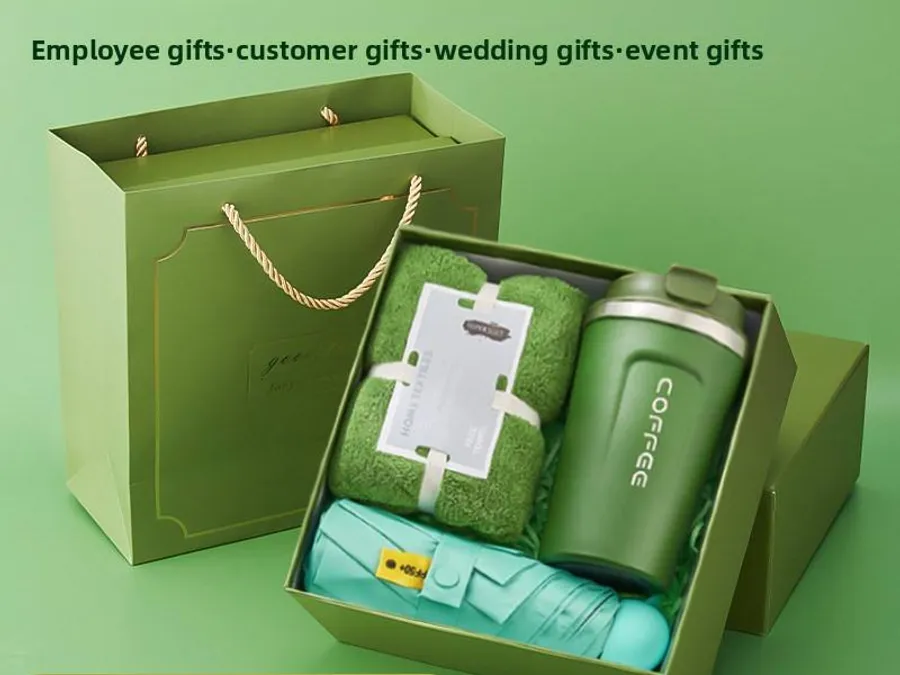
Corporate Gifts
Corporate gifts custom-made with your logo — USB drives, nail clipper sets, notebooks, mugs and more. One-stop corporate gift sourcing with low MOQ.