Custom Infinity Mirrors Manufacturer – LED Infinity Mirror Walls for Bars, KTV & Retail
Custom LED infinity mirrors with 15-25 reflection layers, 6-8 mm toughened glass and 12V strip lighting. Any size or shape, free design, 1 pc MOQ.
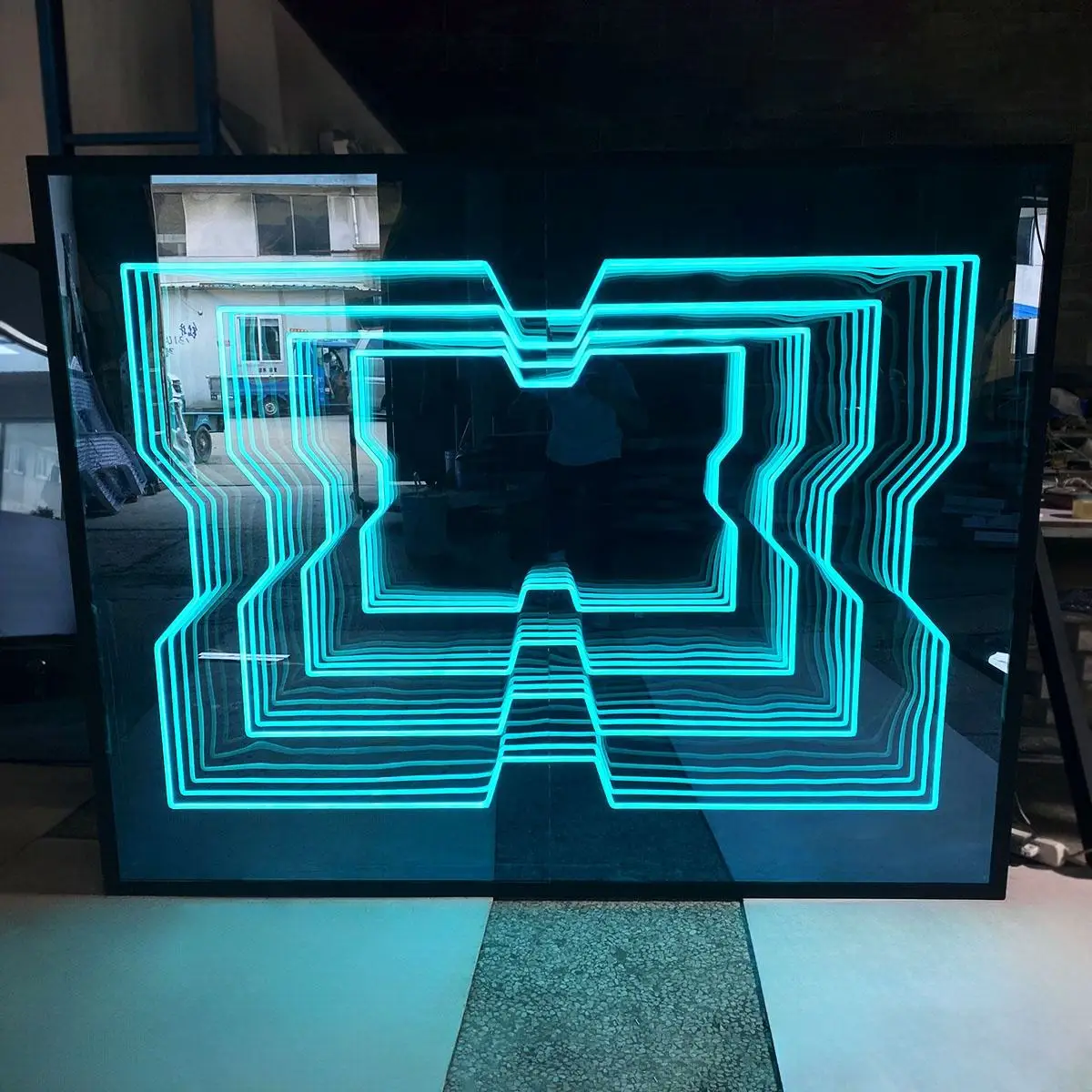
Custom LED Infinity Mirrors for Bars, Clubs and Retail Spaces
Yichico is a custom infinity mirror manufacturer building made-to-order LED mirror walls, signs and feature panels for bars, KTV rooms, pool halls, esports internet cafes, restaurants, salons, showrooms and retail interiors. Also sold as abyss mirrors, tunnel mirrors and mirrored light boxes, each unit is designed from your dimensions and artwork, produced in our own workshop and packed in a timber crate for freight. Free design proof before production, one-piece MOQ, samples in 1-3 days and production in 2-10 days.
How an Infinity Mirror Produces Depth
The effect is not a screen and not a projection. It comes from two mirrors and a light source in a box.
The rear face is a fully reflective mirror. The front face is a half-mirror — a coated glass that transmits roughly half the light falling on it and reflects the other half. An LED strip sits inside the cavity between them, along the frame or inside a graphic overlay. Switch the light on and it bounces back and forth between the two mirrors. Every round trip adds optical distance, and because some light escapes through the half-mirror on each pass, you see a receding series of the same pattern getting smaller and dimmer — a corridor of light with no visible end.
Two things follow from that mechanism, and both matter commercially.
Depth is a build decision, not a setting. Layer count is governed by how far apart the mirrors sit, how thick the front glass is and how much light the strip delivers. The current build reaches a visible depth of 15 to 25 layers. Cheaper constructions that use thin acrylic in place of a glass rear mirror lose brightness fast and the tunnel flattens out after a few reflections.
The front surface is still a mirror when the light is off. The half-mirror reflects what is in front of it, so an unlit unit reads as an ordinary mirror. That is what makes the format work in hospitality interiors: the wall is useful during the day and becomes the focal point after dark, without an extra fixture hanging on it.
What Changed in the Current Build
Infinity mirrors are easy to make badly, and the difference between a unit that still looks sharp in three years and one that fails in the first summer is almost entirely in the materials. The current generation is built as follows.
Front glass: 6 to 8 mm high-transmission toughened glass. Toughened to GB 15763 and CCC certified, so it resists impact and scratching better than ordinary float glass and it stays intact through freight. Higher transmission means less light is lost on the way out, which is what keeps the deeper reflections visible instead of washing them out.
Rear mirror: 4 to 8 mm anti-oxidation copper-free mirror. Copper-free silver mirror is the component that most often decides the lifespan of the unit. It resists oxidation and corrosion, does not bow or deform, holds flatness above 95% across the panel, and tolerates temperatures in the 500 to 800 °C range during processing. The cheap alternative — a thin acrylic mirror film — curls and clouds over time, and once the rear surface hazes the whole tunnel goes grey.
Frame: 1.2 mm galvanised steel or stainless steel, brushed and painted. The frame is formed in one piece rather than assembled from strips, so it holds its shape and does not twist, and it takes an automotive-grade paint finish that resists corrosion. It runs roughly 30% heavier than the common frame thickness on the market, which is why a large panel stays rigid at the corners and does not visibly flex when it is hung.
Backing: 10 to 15 mm high-density PVC board. A dense backing board keeps the unit from sagging across a wide span and gives the mounting hardware something solid to bite into.
Lighting: Ruipusen S-series strip, 12V low voltage. A first-tier branded strip, selected for output consistency, low power draw and no visible flicker on camera — which matters when the mirror is the background of your own promotional video. Service life is in the range of five to eight years of normal use, against the two to three months that unbranded strip commonly delivers before it dims and starts dropping segments.
Assembly: hand-built to a per-order drawing. Nothing here is a stock item pulled off a shelf. Each unit is assembled to the approved drawing by hand.
Choosing Size, Shape and Installation Type
Sizing is completely open, because the frame is formed to the drawing rather than cut down from a stock panel. Recent projects have ranged from 2 × 1 m single units fitted with an integrated base to a 3 m high by 5 m wide feature wall, built, delivered and installed as one assembly.
Shapes are equally open: arch, round, half-round, polygonal, irregular and fully free-form cuts are all producible, along with pillars, lettering and stand-alone logo marks where the infinity effect is used as a sign rather than a wall panel.
Installation type is the decision worth settling early, because it changes the frame and the fixing kit:
- Recessed (built-in) — the unit sits flush inside a wall, ceiling or joinery opening. This gives the cleanest result and hides the power supply, but the opening must be measured accurately. Remember the roughly 5 mm assembly tolerance and build the cavity slightly oversize.
- Wall-mounted — the most common choice for existing interiors, using concealed fixings so no hardware is visible on the face.
- Ceiling-hung — used for tunnel effects over a bar or a reception desk. The mounting needs to be rated for the glass weight.
- Floor or platform — mirrored floor panels and plinths, where a heavier frame and a reinforced backing are specified.
For any of these, supply the site dimensions, the intended viewing distance and a photograph of the location, and the design proof will show the proportions before anything is cut.
Lighting Colours, Full-Colour Graphics and Effects
The light source determines the effect as much as the mirrors do.
Single colour covers white, warm white, ice blue, blue, green, yellow, red, rose and purple, so the unit can be matched to an existing interior palette or to a brand colour rather than bought in a generic blue. Cooler colours read as more futuristic and work well on retail and esports interiors; warm white and rose feel softer and suit salons, cafes and hotel lobbies.
Full colour units use addressable strip, which allows colour changes and gradient effects across the panel. This is the version to choose where the mirror has to change with the room — a bar that shifts from warm to saturated as the night goes on, or a store that runs a different lighting theme per campaign.
Full-colour printed graphics come from UV-cured printing applied to the panel behind the glass. UV printing holds colour accuracy better than ink-based processes and handles photographic and multi-layer artwork, so the infinity effect can carry a brand mark, a product image, lettering or an illustrated scene rather than just a colour wash. Multi-layer reflection and refraction make the graphic read as three-dimensional, which is why these units are so widely used for photo backdrops and check-in walls.
Also worth knowing for specifiers: the rear mirror face can be substituted for an altered surface — an infinity cabinet, an infinity display shelf or a lit tunnel with objects inside the cavity rather than a flat graphic — so the same construction covers feature furniture as well as wall panels. For interiors where the effect is decorative rather than structural, an acrylic half-mirror sheet at 1,830 × 1,220 mm in 3 mm or 5 mm thickness is also available for cutting to your own project.
Specifications
| Specification | Details |
|---|---|
| Product name | Custom infinity mirror / abyss mirror / tunnel mirror / mirrored light box |
| Front glass | 6-8 mm high-transmission toughened glass, GB 15763, CCC certified, impact and water resistant, shatter-resistant |
| Rear mirror | 4-8 mm anti-oxidation copper-free silver mirror; flatness above 95%; tolerates 500-800 °C processing temperature |
| Frame | 1.2 mm galvanised steel or stainless steel, one-piece formed, brushed and painted; approximately 30% thicker than the common market build |
| Backing | 10-15 mm high-density PVC board |
| Visible depth | 15-25 reflection layers (special colours excluded) |
| Light source | Ruipusen S-series LED strip; high brightness, low power, no visible flicker; five to eight year typical service life |
| Voltage | 12V low voltage; transformer required |
| Power supply | 400 W 12V transformer supplied with the unit |
| Light colours | Single colour: white, warm white, ice blue, blue, green, yellow, red, rose, purple. Full colour and gradient also available |
| Graphics | UV-cured full-colour printing; multi-layer reflection; custom logo, lettering and artwork |
| Sizes | Fully custom to your drawing |
| Shapes | Arch, round, half-round, polygonal, irregular, free-form; pillars and lettering |
| Assembly tolerance | Approximately 5 mm, hand-built |
| Installation type | Recessed, wall-mounted, ceiling-hung, floor or platform |
| MOQ | 1 pc |
| Sample time | 1-3 days |
| Production time | 2-10 days |
| Packaging | Timber crate with shock-absorbing and compression-resistant filling |
| Certification | CE, ISO 9001 quality management system, CCC on the toughened glass |
Wiring: Why the Transformer Is Not Optional
Every unit in this range is a 12V low-voltage product. It cannot be connected to mains voltage directly, and connecting it to 220V will destroy the LED strip immediately.
The correct sequence is:
- Connect the mirror’s two wires to the transformer terminals — V+ to positive, V- to negative.
- Connect mains supply to the transformer’s L (live), N (neutral) and E (earth) terminals.
- Power the unit up and confirm the light works before it is finally mounted.
- Only then complete the installation and conceal the wiring.
Each unit ships with its matching transformer and a one-off installation template showing the mounting positions. Installation on site should be carried out by an electrician or an experienced fitter: the units are glass and they are heavy, so mounting must be secure and rated for the weight. Where the location calls for it, we can arrange on-site assembly — that needs to be agreed and quoted before the order is placed, not after the goods arrive.
Two practical notes for specifiers. Because the rear half-mirror coating is a plated layer and not a toughened glass surface, it should be kept inside the enclosure and away from water and from acidic or alkaline liquids — these interiors are designed for indoor use, and any outdoor application should be discussed with us at the design stage. And where a unit is bonded rather than screwed, use neutral adhesive, double-sided tape or hot-melt; acidic and alkaline adhesives will oxidise the rear coating.
Handling, Packaging and Freight
These are glass units, and freight damage is almost always a handling problem rather than a manufacturing one, so the packaging and the receiving process are as important as the build.
Units ship in a timber crate with shock-absorbing, compression-resistant filling, which is the format that keeps glass intact over long distances. Crates must be transported and stored upright, never laid flat — a large mirror laid flat will bow under its own weight in transit.
The critical step happens at your end. Inspect the crate and the unit before signing the delivery note: check the glass for cracks, power the unit up to confirm the strip lights, and count the pieces and the transformers against the packing list. If there is visible damage, photograph the crate and the product before signing anything. Damage that is signed for as received in good condition cannot be claimed afterwards, which is why this step is written into every handover.
Design Proof, Lead Time and MOQ
Nothing is cut until you have approved the artwork.
- Free design: a designer lays out the size, frame proportions, graphic and light colour, and issues a rendered effect drawing
- Then: you confirm the drawing, we confirm the price, and the order is placed
- Production: the workshop builds to the approved drawing; telephone-tested and inspected before packing
- Delivery: you inspect on arrival, then sign
- MOQ: 1 pc
- Sample time: 1-3 days
- Production time: 2-10 days, with urgent orders accommodated where the workshop schedule allows
- Trade and contract work: OEM and ODM production for design and fit-out companies, including large and rush orders, is available
- Invoicing: invoices provided for business buyers
- Shipping: exports to more than ten countries and regions, including the United States, Canada, Japan, South Korea, Singapore and Thailand
One expectation worth setting clearly: the effect drawing is a software simulation. It is produced as a production reference, not as a photograph of the finished item, and a real unit will differ slightly in colour rendering and in exactly how many reflection layers are visible, because the count shifts with the dimensions, the light colour and the chosen artwork. This is normal for the format rather than a quality issue. Units are hand-assembled, so minor cosmetic variation should also be expected, and they are industrial and commercial fit-out products rather than fine art objects.
Where Infinity Mirrors Work Commercially
The format is used wherever an interior needs a focal point that photographs well:
- Bars, clubs, lounges and KTV rooms — feature walls, tunnel ceilings and logo signs
- Pool halls, esports cafes, arcades and gaming hotels — signage and backdrop panels
- Restaurants, barbecue houses and food-court entrances — welcome signs and wall panels
- Retail stores and brand counters — logo walls, product display panels and display cabinets
- Beauty salons, hair studios, spas and clinics — reception walls and gift areas
- Exhibitions, showrooms and brand events — check-in walls, photo backdrops and corridor effects
- Shopping centres, cinemas and entertainment venues — decorative corridors and seasonal installations
Because the unit doubles as a mirror, it also works in spaces that simply need a mirror — a gym studio or a fitting area — where the lit effect is a bonus rather than the main purpose.
Why Order From Yichi
Infinity mirror failures are predictable: a thin acrylic rear mirror that clouds, an unbranded strip that dims within months, a frame that flexes so the corners separate. Everything in the specification above is aimed at those three failure points, which is why the build is heavier and the glass is thicker than what typically arrives in a quote comparison at a lower price. The workshop has been producing illuminated signage and display for thirteen years, with in-house metal cutting, welding, assembly and finishing rather than outsourced fabrication, and it holds ISO 9001 quality management certification. Units from this line are installed in hospitality, retail and entertainment interiors at home and in more than ten export markets.
Building a themed interior? Pair infinity mirrors with illuminated decorative features from the same range through our hospitality and event supplies line.
Send your dimensions, a photo of the installation location, the light colour and the artwork through the contact page and we will come back with a quote and a free effect drawing.
Frequently Asked Questions
What is the MOQ for a custom infinity mirror?
How deep does the infinity effect look?
Can you make it in a custom size and shape?
Can I plug it into a normal mains socket?
Can custom infinity mirrors be returned?
You May Also Need
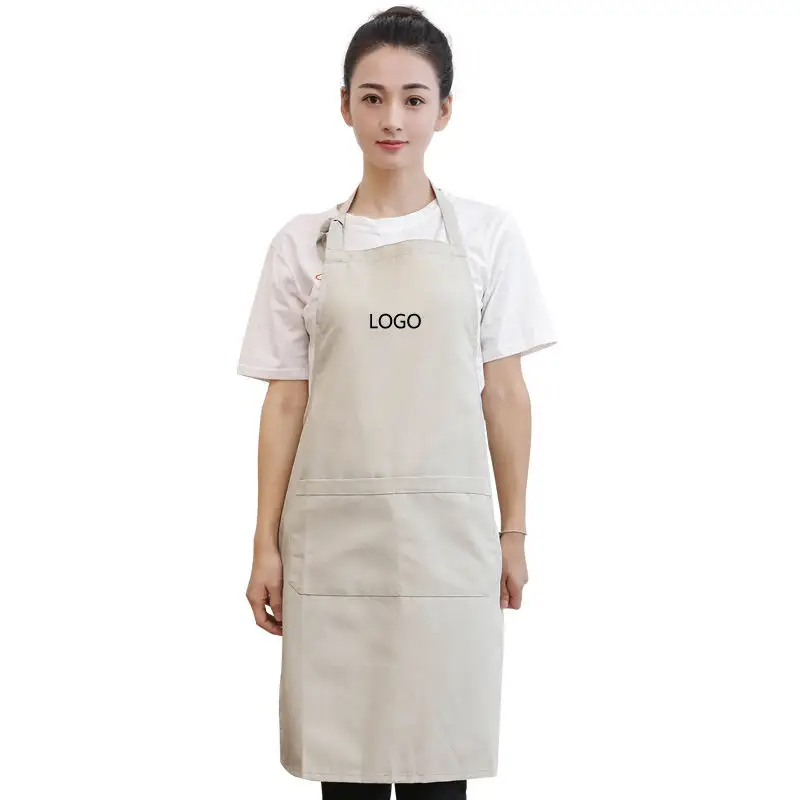
Custom Aprons Manufacturer – Waterproof Kitchen Aprons with Logo Printing, 1 pc MOQ
Custom waterproof aprons in canvas, twill, workwear nylon or disposable non-woven PP. Logo screen printing, heat transfer or embroidery. 1 pc MOQ, free design.

Custom Chopstick Holders
Custom chopstick holders with your logo — bamboo, ceramic or plastic holders for restaurants, noodle shops and hotpot restaurants.
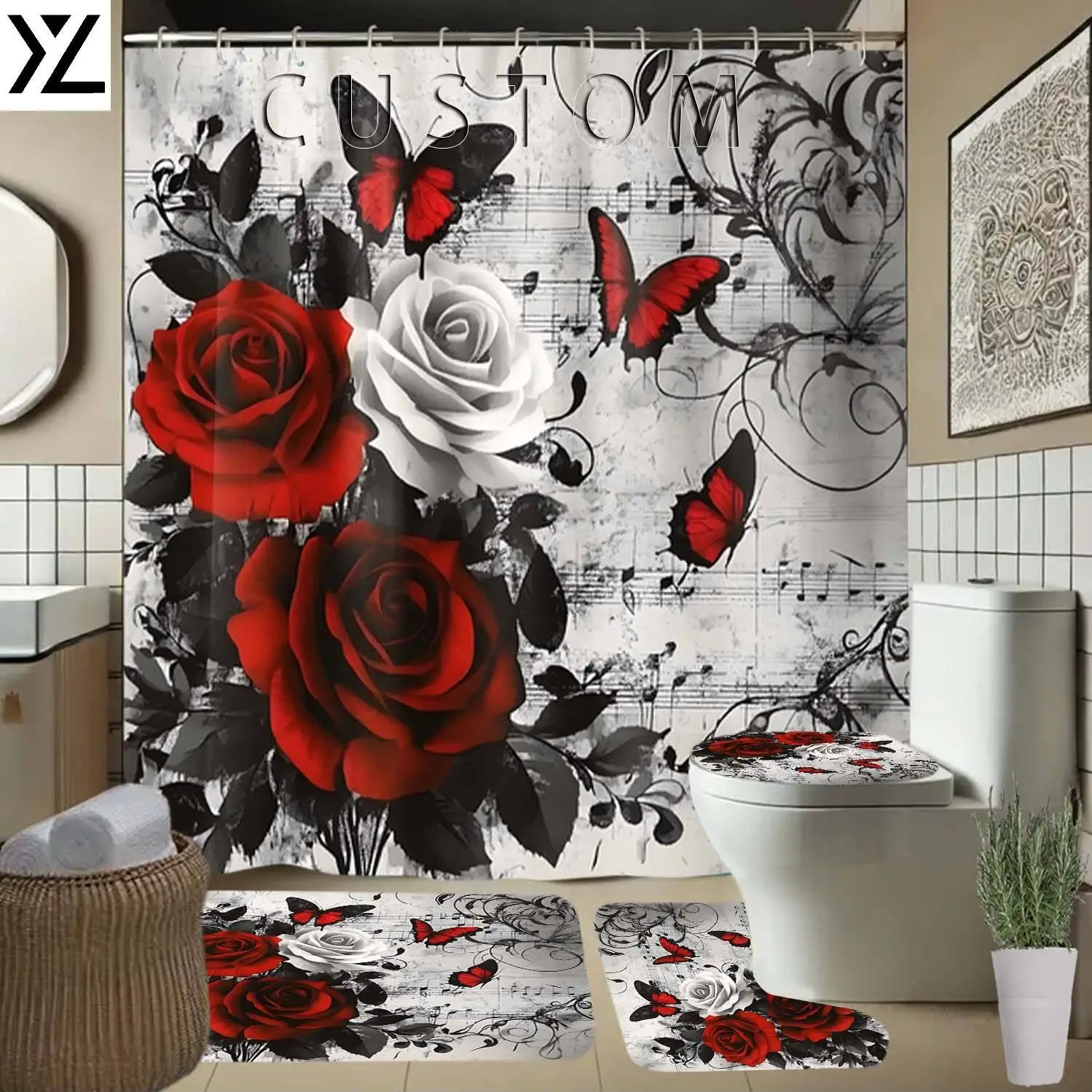
Custom Printed Curtains & Blackout Curtains | Custom Logo Photo Curtain Factory
Custom printed blackout curtains made to your window size. Choose 60%–100% shading, upload logo, photo or pattern. MOQ 1 pc, sample 1-3 days, production 2-10 days.
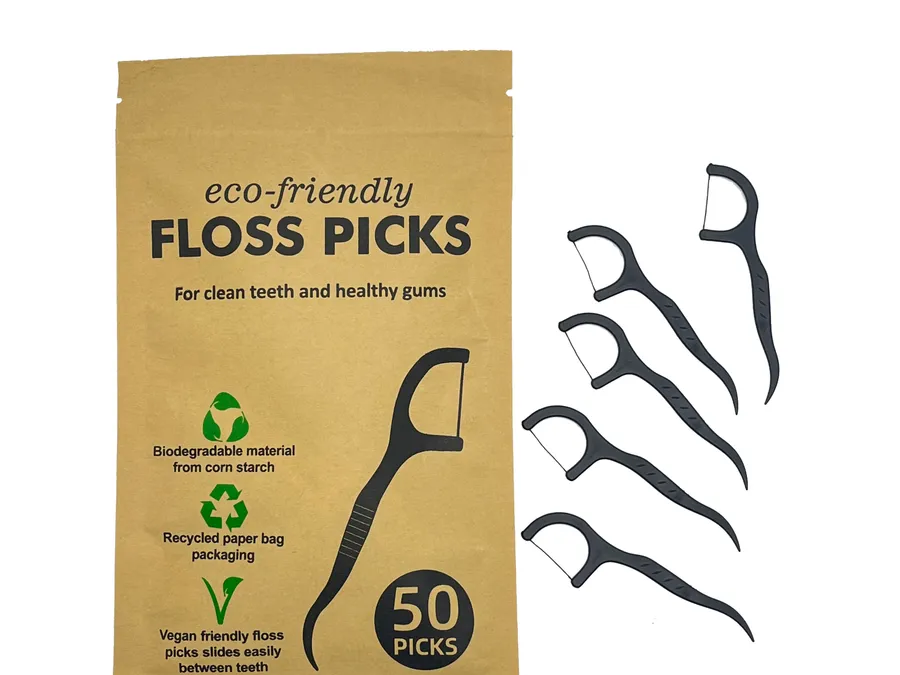
Custom Dental Floss Picks
Custom dental floss picks with your logo — individually wrapped for hotels, restaurants and brands. Low MOQ, fast production.