Custom Jump Ropes Manufacturer – Weighted & Cordless, Logo Printed, 1 pc MOQ
Custom jump ropes in PVC with weighted balls, steel bearings and digital counters — corded, cordless and convertible sets. 1 pc MOQ, free preview.
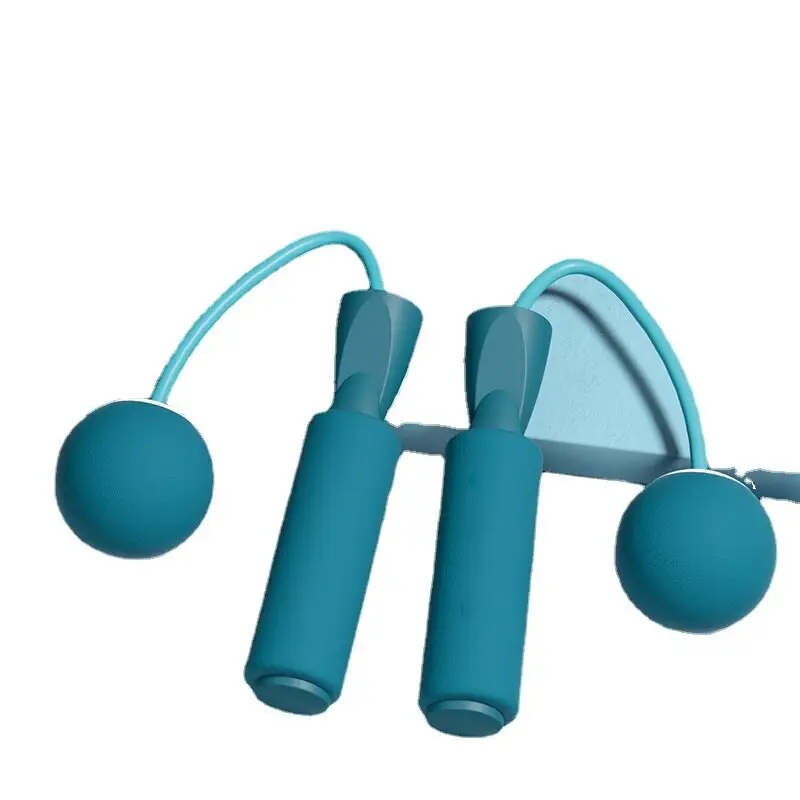
Custom Jump Ropes with Your Logo — Weighted, Cordless or Both
Yichi is a custom jump rope manufacturer in Zhejiang, China, producing branded skipping ropes in three families: corded ropes in thickened solid PVC at roughly 7 mm on a steel bearing, cordless sets built around a weighted ball of about 60 mm to 75 mm, and convertible two-in-one kits where corded and cordless sections swap onto the same handle. Handles are PP with a foam or silicone grip at about 13.5 cm and 29 mm diameter, and the counting formats carry a large display driven by a dual-direction magnetic sensor chip. Logos go on by print or engraving on the handle. Send a logo in AI or PS format, or a colour reference, and we return a free effect preview before production. A one-piece minimum, samples in 1-3 days and production in 2-10 days apply across the range.
A jump rope is unusual among promotional products because its performance is decided almost entirely by two parts the buyer never sees in a photograph: the bearing that lets the rope turn, and the length setting that decides whether the rope clears the user’s head at all. Get the bearing right and the rope feels fast; get the length right and it stops catching on the feet. Both are specified below, along with the question that comes up first in most enquiries — corded or cordless.
Corded, Cordless or Convertible — The Two-in-One Set
Corded. A solid PVC rope roughly 7 mm thick on the thickened versions, turning on a steel bearing in the handle. Corded is the format for anything that resembles real training: speed work, endurance sets, competition practice, physical-education classes and outdoor sessions where there is space overhead. The thickened PVC is specifically specified for wear — the source material describes it as abrasion-resistant and hard to break, which matters because a rope that frays is the most common reason a school replaces a class set.
Cordless. The rope is replaced by a short weighted ball on a swivel, so the user turns the wrists exactly as they would with a rope but nothing swings past the feet. Cordless is the format for confined spaces: a flat with a low ceiling, a hotel room, an office, a gym floor at busy times. It is also the format for users who are learning, because the failure mode of a real rope — catching it under a foot — disappears, so the movement pattern can be learned without the interruption.
Convertible two-in-one. The set includes both a corded section and a cordless weighted ball that fit the same handle, so the rope converts in seconds. This is the version to specify when the buyer does not know the end user’s space — a corporate wellness programme, a hotel fitness kit, a retail product, a membership gift. The source material notes that the two assemblies are described as interchangeable on the same handle, which is the whole point: one product, two training environments.
Cordless ball weight as a stand-in for a rope. The reason a cordless set works at all is that the ball is heavy enough to keep the hand travelling on the path a rope would produce. A ball that is too light makes the movement feel like wrist-turning rather than skipping. On this range the balls are quoted at around 60 g each and a pair at around 120 g, with an internal iron weight — the figure that decides whether a cordless set feels like training or like a gesture.
The Weighted Ball: 60 mm, 65 mm and 75 mm Sizes
The weighted ball appears in three roles across this range — as the cordless substitute for a rope, as added resistance on a corded set, and as a separate training tool — and the size decides which.
About 60 mm. The compact end of the range. Lighter to carry, easier to keep in a gym bag, and the size most often specified for cordless sets intended for general use. On a corded set a 60 mm ball adds resistance without changing the swing much.
About 65 mm. The mid size and the one used on most of the corded-and-cordless combinations in the source material. It is the size quoted for the sets described as carrying an enlarged weighted ball.
About 75 mm. The heavy end. A pair at this size weighs around 120 g, and the resistance per rotation is noticeably higher — which is the reason the parent material positions the largest balls at the fat-burning end of the range. These are the sets specified for users who want the wrists and forearms loaded, not just the legs moving.
Two features of the ball worth knowing.
The internal iron weight. The weight is inside the ball, not on the outside, so the sphere stays smooth in the hand and can be used against the body. A ball weighted on the outside is a different and less useful object.
Use as a fascia ball. Because the ball is a solid sphere of 60 mm to 75 mm, the source material describes it as usable for muscle release after training — rolling under a calf, a thigh or a shoulder. That turns a cordless set into a two-purpose item, which is a genuine advantage for a promotional product: the recipient keeps using it after the training session rather than putting it in a drawer.
Ball weight and rope feel. On the corded formats, adding the weighted ball changes the feel of the rope: the mass at the end of the swing makes the rotation more deliberate and less twitchy, and the wrist has to work to keep the rhythm. For users moving from a light speed rope to a weighted set, the ball weight is the specification to compare.
Bearings, the Counter and What “1,000,000 Rotations” Means
Two components separate a rope that gets used every day from one that gets left in a bag: the bearing and, on counting formats, the sensor.
Steel bearings. The handles on this range run steel bearings, quoted on the source specification at a service life of up to 1,000,000 rotations. On the speed formats the bearing is described as a 360° steel bearing so the rope turns freely in every direction. What matters in use is not the round number but what a bearing failure looks like: a worn bearing catches, the rope stutters, and the user loses rhythm and stops using the set. A steel bearing on a sealed cage is what stops that happening in the first few hundred sessions.
The digital counter. The counting formats use a dual-direction magnetic sensor chip — described in the source material as a high-precision chip whose accuracy holds over long sessions — with a display showing the jump count. Two consequences are worth flagging for buyers. First, a magnetic sensor does not depend on a mechanical arm being struck, so it does not wear out or drift as the count accumulates. Second, the count is shown on the handle rather than on a separate device, so there is nothing to lose or to pair.
Why the counter matters commercially. For a gym, a school or a fitness brand, a jump rope with a visible count is a different product from one without. It turns the rope into something a class can use for a set, a competition can score, and a personal-training client can record. That is usually the deciding specification when the order is for an institution rather than for giveaways.
Speed as the outcome. The source material positions the bearing-and-weight combination as the route to faster rotation, and the arithmetic is straightforward: a bearing that turns freely plus a ball heavy enough to be felt equals a rope that responds to the wrist rather than fighting it. Neither component works alone.
Rope Length: 2.8 m, 3 m and Adjusting Without Cutting
Length is the specification that produces the most returns in this category, because a rope that is too long drags on the floor and one that is too short catches the feet.
The range. Ropes in this range are quoted at about 2.8 m with 3 m versions also produced, and the source material sizes the 2.8 m rope for users up to roughly 1.95 m tall.
No cutting. Length is set through an adjustable collar on the handle rather than by trimming the rope. This is the single most useful feature in the range for institutional buyers: the same rope can be set for a 1.5 m user and a 1.9 m user, adjusted as a child grows, and re-set between classes. A rope that has to be cut to length is a rope that is permanently assigned to one person.
How to size it. The working test is to stand on the middle of the rope and lift the handles — the handles should reach roughly armpit height. That gives enough clearance for the rope to pass under the feet without excessive slack, and it works for both the 2.8 m and 3 m versions depending on user height.
Cross-flow with the cordless format. Because the cordless ball does not need length at all, the convertible sets do not have the length question — which is a further argument for specifying the two-in-one version for a mixed user group.
Grips: Foam, Silicone and the Diamond Pattern
The handle is where the user’s hand spends the whole session, and the grip specification decides whether the rope stays in it.
Thickened foam. Foam handles are described on the source material as absorbing sweat — the material is specified with fine internal pores that take up moisture from the palm. The purpose is specific: a handle that becomes slippery when the hand is wet is a handle that gets thrown across the room on a hard set. Foam that takes up moisture keeps the grip working after the sweat starts.
Silicone with a diamond pattern. Some handles in the range carry a diamond-textured silicone grip at 29 mm diameter, described as an ergonomic profile. The texture gives a mechanical grip rather than relying on the material alone, and 29 mm is a diameter that suits a closed hand without forcing the fingers open — the reason it is quoted as the ergonomic figure.
Handle length. Handles are about 13.5 cm long. On a rope with a counter, the display sits on the handle, so the length of the handle is also the size of the surface available for a logo.
Specifications
| Attribute | Details |
|---|---|
| Rope material | Solid thickened PVC, approx. 7 mm diameter on reinforced versions |
| Handle material | PP handle with foam or diamond-textured silicone grip |
| Ball material | EVA / solid sphere with internal iron weight |
| Handle size | Approx. 13.5 cm long; 29 mm diameter on the silicone grip |
| Ball sizes | Approx. 60 mm, 65 mm and 75 mm |
| Ball weight | Approx. 60 g each; pair approx. 120 g on the heavier versions |
| Set weight | Approx. 160 g per pair on the standard formats |
| Rope length | Approx. 2.8 m adjustable; 3 m also produced; sized for users up to approx. 1.95 m |
| Bearing | Steel; quoted service life up to 1,000,000 rotations; 360° steel bearing on speed formats |
| Counter | Dual-direction magnetic sensor chip with display showing jump count |
| Configuration | Corded; cordless with weighted ball; two-in-one convertible set |
| Colours | Bean-paste pink, wine red, peacock blue, classic black, cherry blossom pink, Chinese red, sapphire black, blue, pink, green, purple |
| Branding | Print or engraving on the handle body |
| MOQ | 1 pc |
| Sample Time | 1-3 days |
| Production Time | 2-10 days |
Artwork Requirements
Send the logo as a vector file — AI or PS is named on the source material for this range, and any vector format with the text converted to curves is workable. Raster artwork should be sent at the highest resolution available.
The handle is a narrow cylindrical surface. This is the constraint that shapes artwork for a jump rope. A wide logo with fine detail will not read on a 13.5 cm handle, so the practical approach is a compact wordmark, an abbreviated mark, or a stacked layout built for the handle width. Send the artwork against the handle you intend to use and the free preview will show it at true size on the cylindrical surface.
Colour. Where the logo carries a Pantone reference, send it with the file. On a gripped or textured handle the mark follows the surface texture, which slightly softens fine edges — worth seeing on a sample where the mark is intricate.
Single tone or full colour. Printing carries full colour; engraving produces a single-tone mark that follows the material colour and does not lift or fade. For a mark that will be gripped and handled in every session, engraving is normally the longer-lasting route.
One preview, then production. The preview is issued before printing or engraving and is the stage at which position, size and colour are settled. After it is confirmed the artwork is fixed, because a printed or engraved handle cannot be reworked.
Where Branded Jump Ropes Get Used
Gyms, studios and fitness brands. Two-in-one sets carrying the studio mark, given or sold to members. The convertible format is the one that suits a membership base spanning apartments and houses, because it works in both.
Schools and physical education. Class sets in the thickened PVC format with counting handles, where the adjustable length and the absence of cutting are the specifications that matter — one set covers a whole year group.
Corporate wellness and staff programmes. Ropes issued with a benefits pack, printed with the company mark, in the cordless or convertible format so they can be used at home without space.
Sports clubs and teams. Speed and endurance formats with counters, used for conditioning where the count is recorded, and printed with club colours and the club mark.
Retail and channel products. Boxed sets for sporting-goods retail, private-label or own-brand, in the two-in-one configuration with a logo on the handle.
Events and activations. Ropes given out at fitness events, charity challenges and school sports days, where the product has to be immediately usable by a mixed group and the branding visible on the handle.
How an Order Runs
- Send the artwork or the brief. A logo file in AI or PS, a colour reference, or a description of who will use the rope and where.
- Configuration selection. Corded, cordless or convertible, with the ball size, the grip type and the counter option matched to the use.
- Effect preview. A free preview of the mark on the handle, at true scale, before anything is produced.
- Sample. Samples run in 1-3 days from confirmed artwork, so the bearing smoothness, the ball weight and the grip can be checked in the hand.
- Production. Bulk production in 2-10 days from approval, with the bearing, the counter and the length collar checked before packing.
- Packing and shipment. Packed for retail or bulk shipment as specified.
Why Order From Yichi
A one-piece minimum. One rope is enough to test the bearing, the ball weight and the grip — the three things a buyer cannot judge from a photograph, and the three that decide whether a class set is worth ordering.
A free preview before production. Because a branded rope carries your artwork and cannot be resold, the preview stage does the work that a returns policy cannot. Use it — including on a single unit.
Length without cutting. The adjustable collar means one rope covers a range of users and stays adjustable over time, which is what makes a class set viable.
Corded and cordless in one handle. The convertible sets cover a gym floor and a low-ceiling flat with the same product, so a buyer with a mixed user group stocks one item instead of two.
A ball that doubles as a fascia tool. The internal iron weight and the solid sphere make the weighted ball usable for muscle release after training, which extends the life of the product past the novelty stage.
Fast turnaround on both ends. Samples in 1-3 days and bulk production in 2-10 days from confirmed artwork.
Tell us who will use the rope and where — a gym floor, a classroom, a flat with a low ceiling or an outdoor training programme — and we will recommend the configuration and return a free effect preview. Request a quote or send your artwork directly and we will come back with a recommendation and a proof.
Frequently Asked Questions
What is the MOQ for custom jump ropes?
Should I order corded, cordless or both?
What is the weighted ball actually for?
What sizes and weights are the balls?
How is the length adjusted, and does the rope have to be cut?
What are the handles and bearings made from?
Do the ropes have a counter?
Can I supply a logo for the handles?
You May Also Need
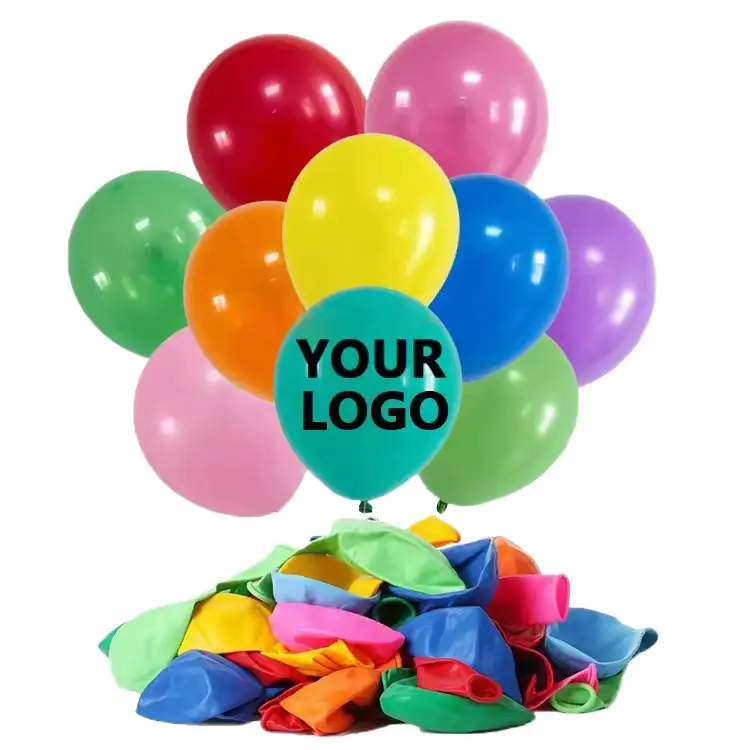
Custom Printed Balloons – Free Design & Bulk
Custom printed balloons with free design & 1-on-1 support. MOQ of just 1. Silk-screen logo printing on 230 colors. CE-certified quality for promotions & events
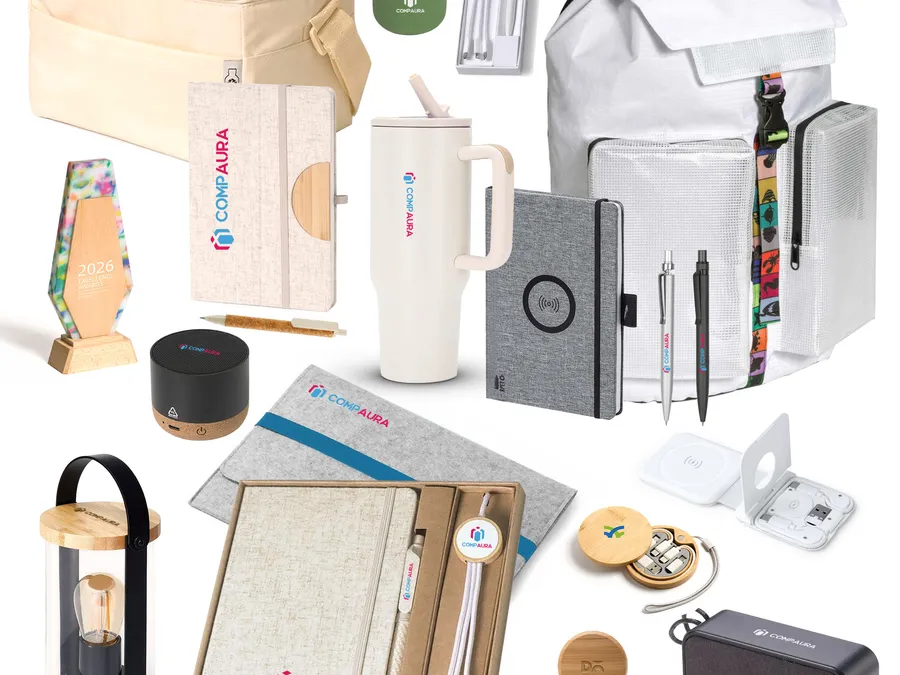
Business Gift Sets
Business gift sets and opening ceremony gifts with your logo — complete branded sets for corporate launches, anniversaries and holiday gifting.
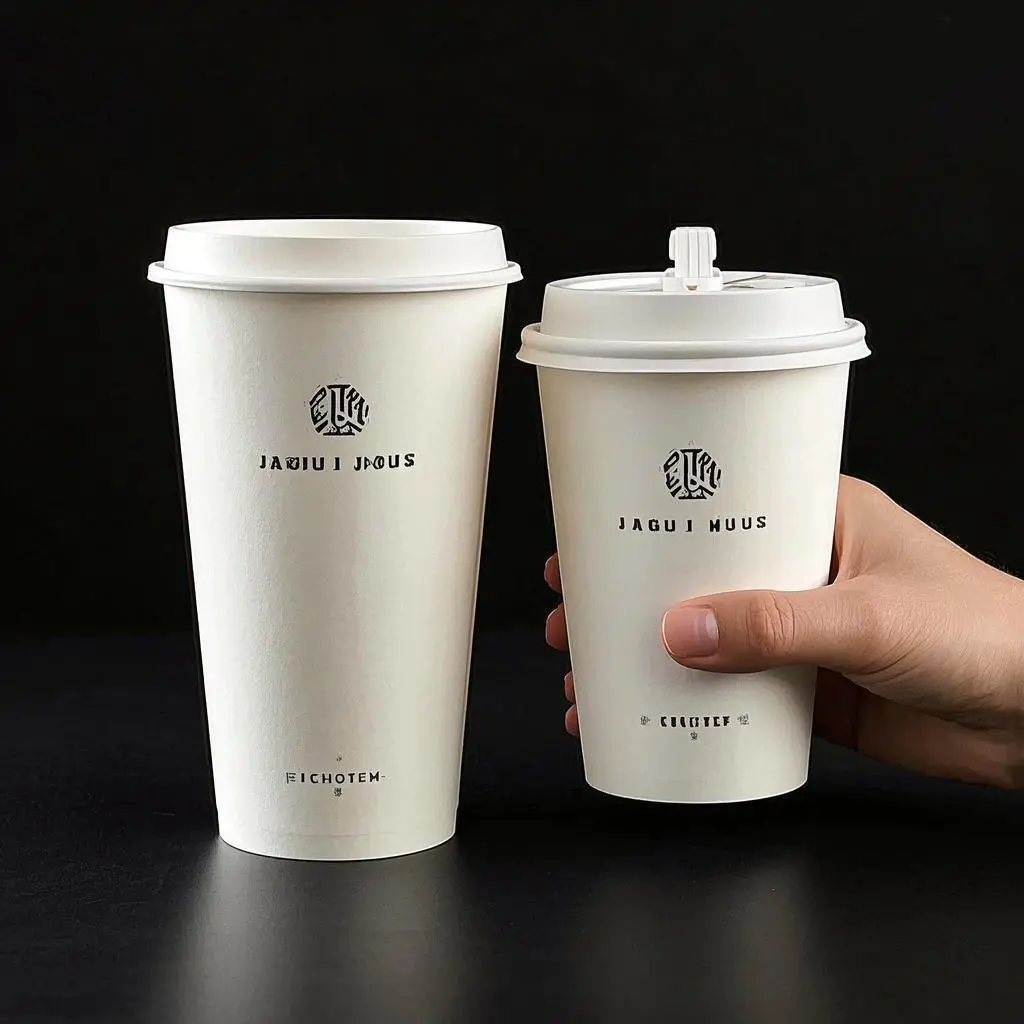
Custom Printed Coffee Cups | Branded Paper Cups with Logo
Custom printed coffee cups with your logo from just 1 piece—food-grade, hot/cold ready, free layout design and fast samples in 1-3 days.
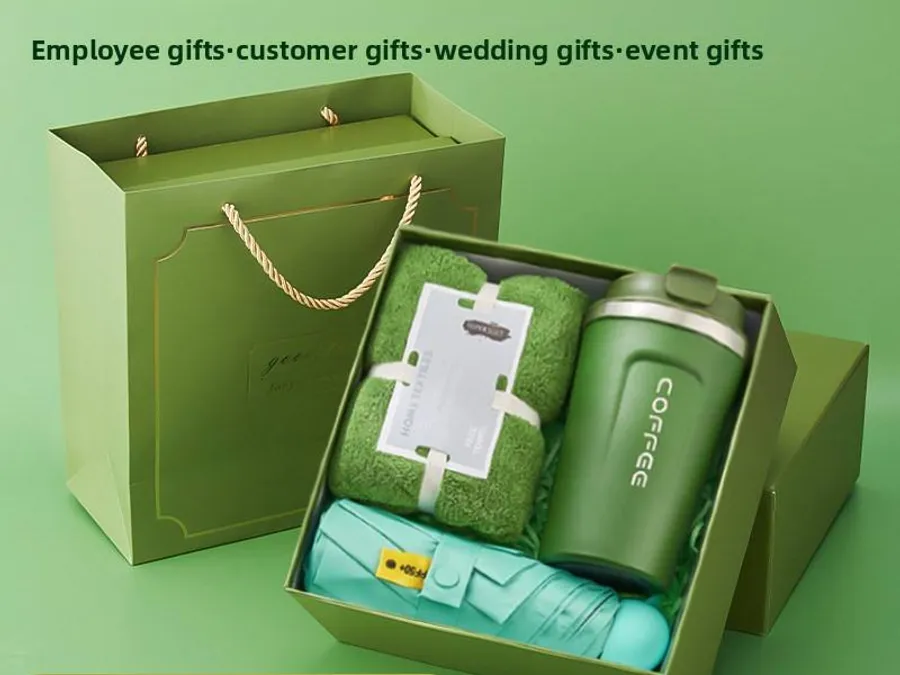
Corporate Gifts
Corporate gifts custom-made with your logo — USB drives, nail clipper sets, notebooks, mugs and more. One-stop corporate gift sourcing with low MOQ.