Custom Neck Gaiter Manufacturer – Seamless UPF50+ Tube Headwear, Sublimated Logo, 1 pc MOQ
Custom neck gaiters sublimated with your logo — seamless polyester, milk-silk and Lycra tubes, single or double layer, UPF50+ and fleece-lined. 1 pc MOQ.
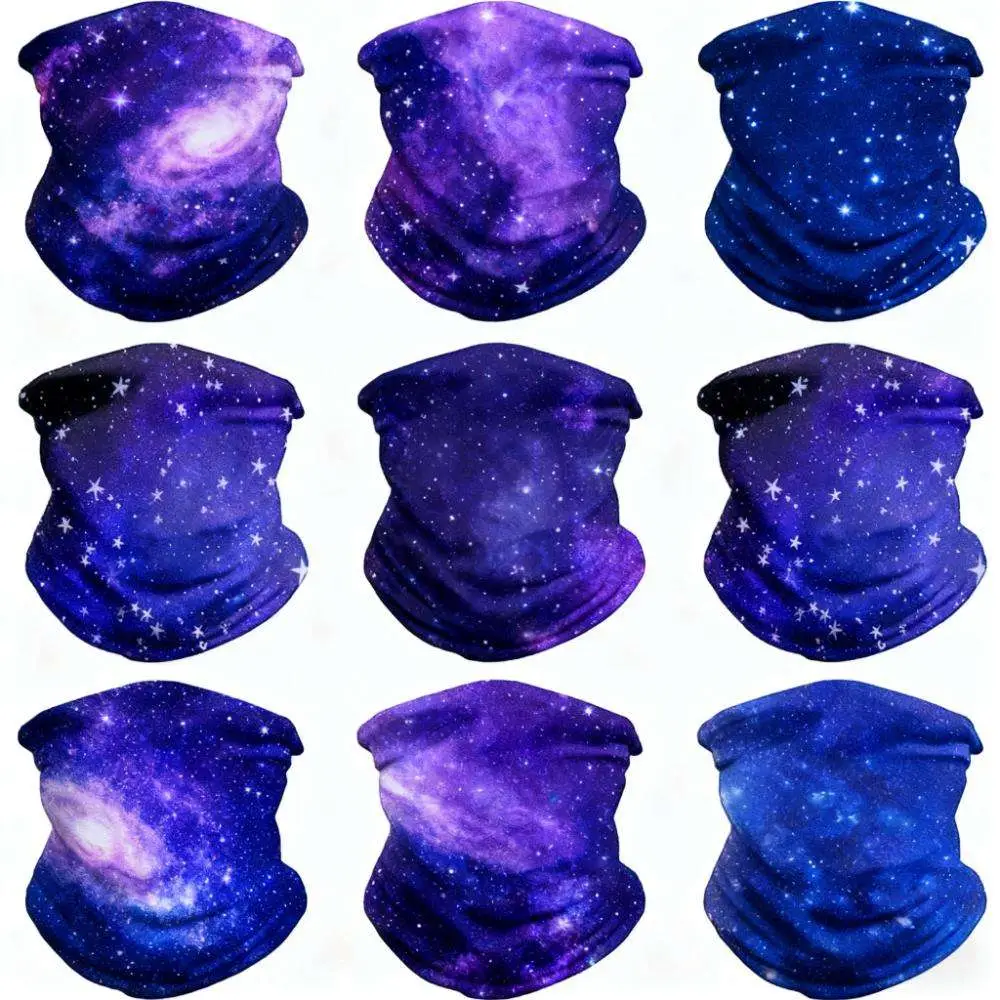
Custom Neck Gaiters Printed with Your Logo
Yichi is a custom neck gaiter manufacturer producing printed seamless tubes in Zhejiang, China — polyester, Lycra, milk-silk and double-layer fleece builds — for running clubs, cycling teams, race organisers, outdoor brands, schools and corporate buyers. Send a logo, a pattern or a full-colour design and it is sublimated around the whole tube rather than stamped on a panel. A one-piece minimum, samples in 1-3 days and production in 2-10 days apply across the range, so a single piece for approval and a 5,000-piece race order follow the same process.
A neck gaiter is one of the few promotional textiles that gets used rather than kept. It is worn against the skin, it stretches over the face, it is folded into a pocket, and it comes out again in a different configuration. That shape also explains where the product fails: at the seam, at the print edge, and in the wash.
Single Layer, Double Layer or Fleece Lined
Three builds are produced, and the choice is about climate and use rather than price.
Single layer. One seamless tube of polyester or a stretch blend. It is thin enough to fold into a jersey pocket, it wicks and dries quickly, and it is the version for summer running, cycling, hiking and fishing. The 25 x 42 cm tube weighs around 40 g, so it is not something the wearer notices.
Double layer. An outer polyester face bonded over a high-elastic fleece inner. The outer layer handles moisture and abrasion while the inner layer stays soft against the skin and holds warmth — the structure that makes a gaiter usable in cold weather without becoming a scarf.
Fleece knit. A German fleece knit used for the winter neck warmer, with a warmer, denser hand for skiing, mountaineering and cold-weather fishing. It is produced as a parent-and-child pair: adult at roughly 54 g and child at roughly 42 g, in one size, so a family order is straightforward.
Milk silk. The softest hand in the range and the one that feels closest to the skin, made in a polyester-spandex blend. It is the version buyers choose when the gaiter will be worn all day rather than for a race. Composition is documented as 92% polyester with 8% spandex on one milk-silk build and 95% polyester with 5% spandex on another, so the blend should be confirmed against the fabric you specify rather than assumed.
Choosing between them is a matter of one question: is this a cooling product or a warming product? Gore-tex-style “breathable in all conditions” claims do not apply here — a summer tube worn in winter is cold, and a fleece tube worn in summer is uncomfortable.
Seamless Tube Against Sewn Construction
The standard build has no side seam: the fabric is knitted in a circular construction and the finished piece is a closed tube, which removes the seam that would otherwise sit against the neck and the face.
Seamless construction gives a smooth surface across the whole fit, no edge to rub, and no seam line to interrupt a printed pattern. It is the correct choice for a printed design, because a design that wraps a continuous tube has nowhere for a seam to hide.
Sewn construction is also produced, with overlock or three-needle five-thread stitching and a four-needle six-thread option. A sewn gaiter does not curl at the edge the way a cut seamless tube can, and it holds its shape around the face — the detail that matters if the buyer wants the gaiter to stay put as a face covering rather than be re-folded constantly. The edges are also finished with a bound edge on this version, so the gaiter does not slip down.
Both are supplied flat, and both can be printed.
UPF50+, Moisture Movement and Colour Fastness
The performance figures that can be stated for this range are specific.
UPF50+ on the UV-treated polyester builds. It is a fabric rating rather than a coating, so it does not wash out or wear off the way a sprayed finish does. It is the figure printed on the tube, and it is the reason a gaiter is bought for summer outdoor work as well as for sport.
Colour fastness above grade 4 on the printed fabric — the rating that decides whether the print still reads after a season of washing, sweat and sun.
Moisture movement. The single-layer and milk-silk tubes wick rather than absorb and dry quickly. On a long ride or run this is what keeps the fabric from becoming a wet cloth, and it is why the product is bought in quantity by event organisers who expect it to be worn for hours.
Breathability and a soft hand. The point of a tube rather than a mask is that air moves through it. The fabrics used here are light and porous enough for that, and they do not feel stiff against the face.
Fabric Testing and Compliance
The gaiter fabric is supplied against a test report issued by the national textile and apparel product quality supervision and inspection centre in Fujian and by the Fujian provincial fibre inspection bureau.
The sample met the requirements of GB 18401-2010, class B — the basic safety specification for textile products, tested under FZ/T 01057-2007, the standard method for identifying textile fibres. All 24 aromatic amine dyes tested came in below the method’s detection limit of 5 mg/kg.
Why that matters on a gaiter rather than on a shirt: the item is worn repeatedly against the mouth and the nose, so a buyer’s procurement team will ask for the compliance paper. It is available on request, and it covers the fabric rather than the finished printed piece.
How a Print Wraps a Tube
Two facts decide whether a printed gaiter looks sharp or looks cheap.
The tube is not flat. It is a closed circle, and the artwork is sublimated around it, so a design has to be laid out as a continuous band. A rectangular logo placed as though the tube were a flat panel will distort as soon as it is stretched over a head, which is why the layout is checked at the proof stage rather than at the printer.
The print area has a bleed line. On the flat reference the sheet is 500 x 500 mm and the printable area inside the dashed line is documented at 225 x 475 mm, the remainder being the bleed zone. Anything printed outside that line may not transfer, so important text and graphics belong inside it — the detail that decides whether a website address survives on the finished tube.
The print wraps through folds. A gaiter is worn doubled, folded and pulled over a face, so a design is never seen all at once. The strongest orders use a bold all-over pattern plus one clear mark rather than fine detail: the pattern survives every folding configuration, and the mark does the brand work.
One Tube, a Dozen Ways to Wear It
Part of the appeal is that the buyer gets several products out of one item, and the same tube is documented in more than a dozen configurations.
As headwear. Headband, hairband, beanie, helmet liner, pirate-style head wrap, square-scarf hat.
As a face and neck covering. Face mask, dust mask, balaclava, neck warmer, hood.
As a scarf. Worn loose around the neck, doubled, or opened out as a bandana.
As a wrist or hair tie. Wristband, hair band.
For race and event orders this is the selling line that works: the print is seen on a headband during a run, on a neck warmer afterwards and on a wristband the following week, from one piece of kit.
Specifications
| Specification | Details |
|---|---|
| Product type | Seamless tube neck gaiter / multifunctional headwear and neck warmer |
| Standard fabrics | Polyester; polyester with Lycra or spandex; UV-treated polyester; milk-silk |
| Fabric composition | Milk-silk documented at 92% polyester / 8% spandex and at 95% polyester / 5% spandex; fleece neck warmer at 95% polyester / 5% spandex |
| Cold-weather builds | Double layer with outer polyester and inner high-elastic fleece; German fleece knit |
| Construction | Seamless circular-knit tube; sewn versions with overlock, three-needle five-thread or four-needle six-thread stitching; bound edge on sewn builds |
| Printing | Heat transfer and dye sublimation with imported ink, full colour around the tube |
| Performance | UPF50+ on UV-treated builds; colour fastness above grade 4; wicking and quick-drying |
| Sizes | 24 x 42 cm, 24 x 48 cm (+/-1 cm), 25 x 42 cm; fleece neck warmer documented in two measured sets of 26 x 31 cm and 21 x 28.5 cm; print area 225 x 475 mm on a 500 x 500 mm sheet including bleed |
| Weight | Approx. 40 g (+/-2 g) for the single layer; adult fleece approx. 54 g, child approx. 42 g |
| Folded pack size | Fleece neck warmer folds to approx. 22 x 15 x 1.2 cm, quoted for both the adult and the child version |
| Head circumference | 54-58 cm main fit; narrower and fuller bands available |
| Customisation | Printed text, image and logo; custom pattern, colour and size; custom packaging |
| Traceability | Anti-counterfeit code on each finished piece |
| Fabric compliance | GB 18401-2010 class B; 24 aromatic amine dyes below 5 mg/kg detection limit |
| Applications | Running, cycling, fishing, hiking, skiing, camping, travel, motorcycle, racing, ball sports, dust protection |
| MOQ | 1 pc |
| Sample time | 1-3 days |
| Production time | 2-10 days |
| Care | Wash colours separately; hand wash recommended; do not bleach, dry clean, iron or spin dry; hang to dry |
Sizes, Fit and Care
One size covers a range, not a measurement. The tube is elastic, and the standard piece is supplied against a head circumference of 54-58 cm as the main band, with 52-54 cm and 58-62 cm also used. Because it stretches rather than being cut to size, the same gaiter fits most of a group — which is the practical reason this product works for a running club or an event where collecting measurements from every participant is impossible.
The fleece neck warmer is sized as a parent-and-child pair. Two measured sets are documented for the knit version — 26 x 31 cm and 21 x 28.5 cm — and each folds to roughly 22 x 15 x 1.2 cm, so a family or club order packs flat and ships without a rigid box. Documented weights are approximately 54 g for the adult piece and 42 g for the child piece. As with the summer tube, the knit is elastic, so the item is quoted as one size and fits across a wider range than the figures alone suggest.
Hand-measured tolerances. Fabric measurements carry up to about 1.3 cm of variation depending on the measuring tool, and are quoted at +/-1 cm to +/-2 cm depending on the fabric. The fit is elastic, so this does not affect wearability; it does matter if the gaiter has to sit inside a printed packing sleeve or a display stand.
Care. Wash colours separately, hand wash where possible, do not bleach, do not dry clean, do not iron and do not spin dry — hang it to dry. The print is a sublimated dye rather than a surface layer, so it survives washing well when the fabric itself is treated properly; the damage comes from heat and from a tumble dryer.
Colour. Solid shades, camouflage patterns and checks are all produced, and the colour is chosen at the order stage alongside the print.
Where Custom Gaiters Get Used
Race and event kit. Running events, cycling sportives, triathlons, charity walks and obstacle races, where the gaiter is either the finisher’s item or the piece sold at the merchandise stand. It is light to ship, cheap to print across a large area and genuinely wanted by participants.
Sports clubs and teams. Club colours printed around the tube, worn through a season of training rather than kept for match day.
Outdoor and travel. Hiking, fishing, skiing and motorcycle touring, where a buyer wants a branded piece that is genuinely useful in three different weather conditions.
Corporate and staff gifting. A printed gaiter for an outdoor staff event or a field team, where the print runs across the full tube and the item is used rather than stored.
Schools, camps and tours. One size for a mixed group, printed with a year group, a trip name or a house colour.
Retail and resale. Buyers who need a printed tube in their own packing, in their own colour range, with the compliance paper attached.
Building a wider campaign? The same artwork can be carried onto promotional gifts — printed caps, towels, wristbands and bags — so a race or a launch is produced from one supplier.
How an Order Runs
Consult and specify. Tell us the fabric — single layer, double layer, fleece or milk-silk — the size, the colour base and the quantity.
Design. Send the artwork, or describe what you want and the design is worked up for you. The layout is checked for the tube shape here, before anything is printed.
Proofing. A sample is produced after payment is confirmed, normally within about three working days for a design and layout of this type. If the order needs a physical pre-production sample, say so at this stage rather than after approval.
Production. Mass production runs against the confirmed proof, with the lead time agreed against your deadline. If the delivery date is fixed by an event, give us that date at the start — it changes the schedule, not the price.
After-sales. Any problem on the finished pieces is handled directly; send photographs and the batch reference and it is dealt with rather than argued about.
Why Order From Yichi
A gaiter order fails in three ways: the print muddies over the fold, the fabric turns out to be a treated polyester that rubs, or the compliance paper cannot be produced when procurement asks. This range is built to answer all three — sublimated full-colour print laid out for a tube rather than a panel, fabrics that have been through the national textile test including the aromatic amine screen, and UPF50+ applied as a fabric property rather than a spray.
We are a custom headwear and printed-textiles manufacturer based in Zhejiang, China. Because the printing and the construction sit inside our own process, the minimum order is a single piece, the print is proofed before it is produced, samples can be posted out for approval, and a reorder can be run in the same colour as the first batch rather than matched by eye from a photograph.
Send the artwork, the fabric choice, the size and the quantity through the contact page and we will come back with a quote and a proof layout for the tube.
Frequently Asked Questions
What is the MOQ for custom neck gaiters?
Which fabrics are available?
Can you print a full-colour design around the whole tube?
Is the gaiter certified for skin contact?
How should a printed gaiter be washed?
What head sizes does one gaiter fit?
You May Also Need

Custom Printed Balloons – Free Design & Bulk
Custom printed balloons with free design & 1-on-1 support. MOQ of just 1. Silk-screen logo printing on 230 colors. CE-certified quality for promotions & events
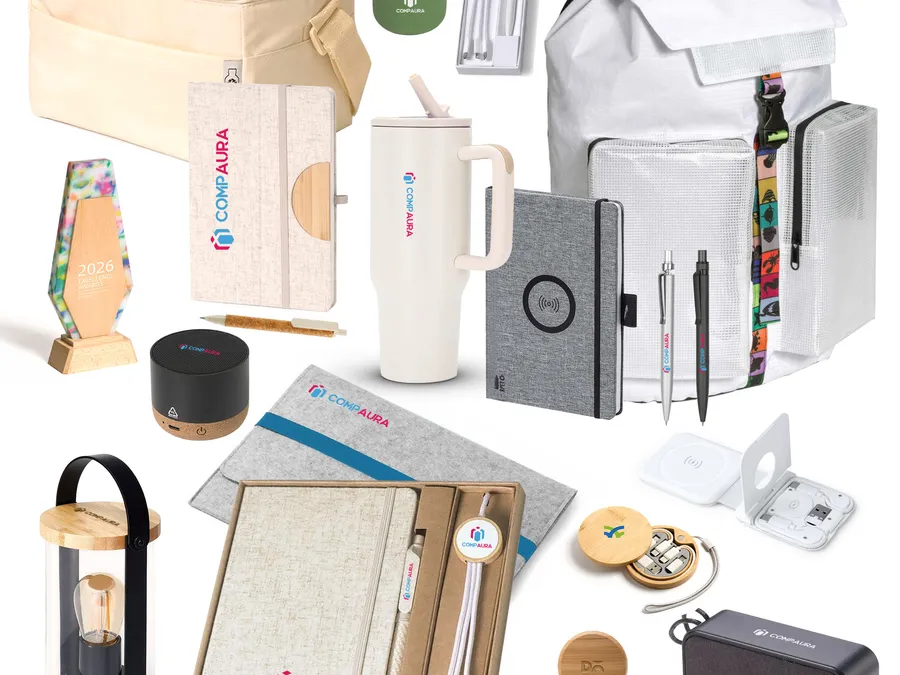
Business Gift Sets
Business gift sets and opening ceremony gifts with your logo — complete branded sets for corporate launches, anniversaries and holiday gifting.
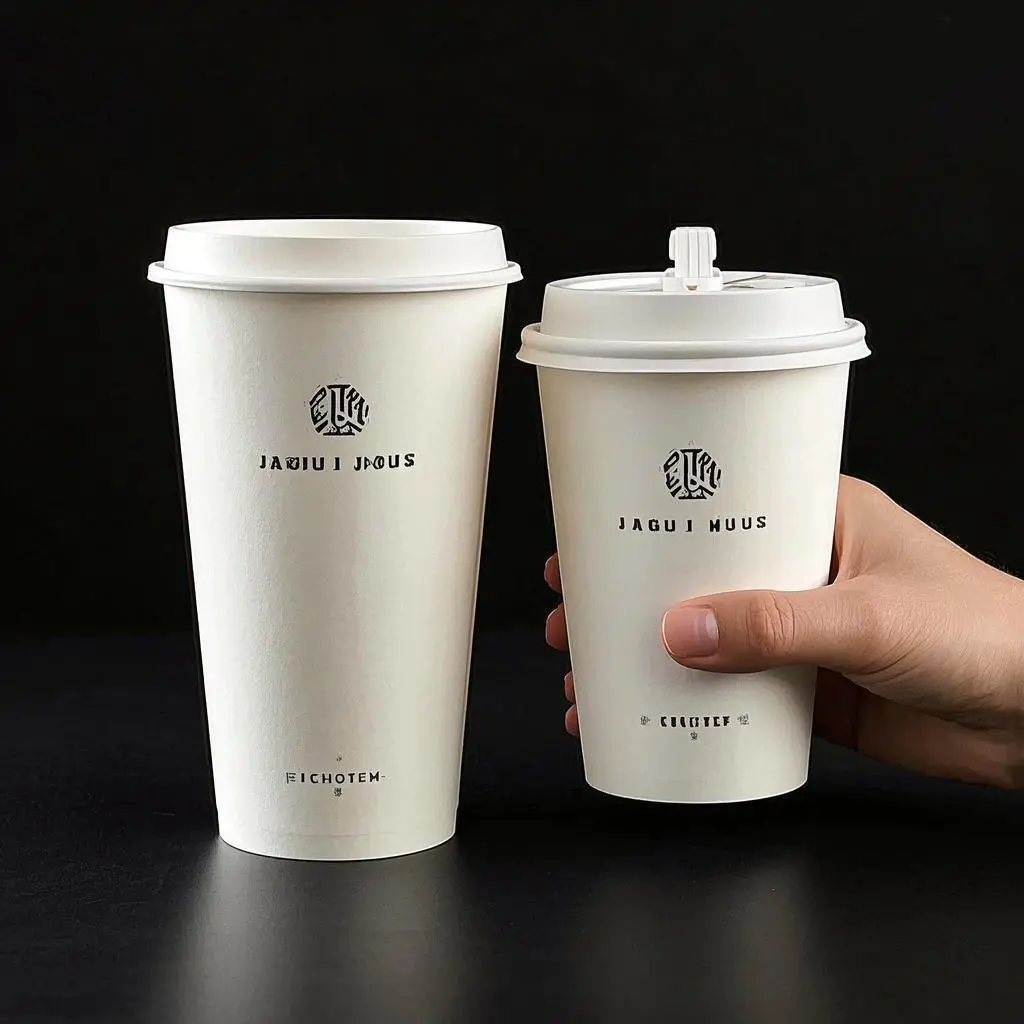
Custom Printed Coffee Cups | Branded Paper Cups with Logo
Custom printed coffee cups with your logo from just 1 piece—food-grade, hot/cold ready, free layout design and fast samples in 1-3 days.

Corporate Gifts
Corporate gifts custom-made with your logo — USB drives, nail clipper sets, notebooks, mugs and more. One-stop corporate gift sourcing with low MOQ.