Custom Phone Stands Manufacturer – Metal Foldable & Rotating, Laser Logo, Gift Sets, 1 pc MOQ
Custom phone stands in aviation alloy and carbon steel with 360°–720° rotation, fold-flat bodies and laser or UV printed logos. 1 pc MOQ, free proof.
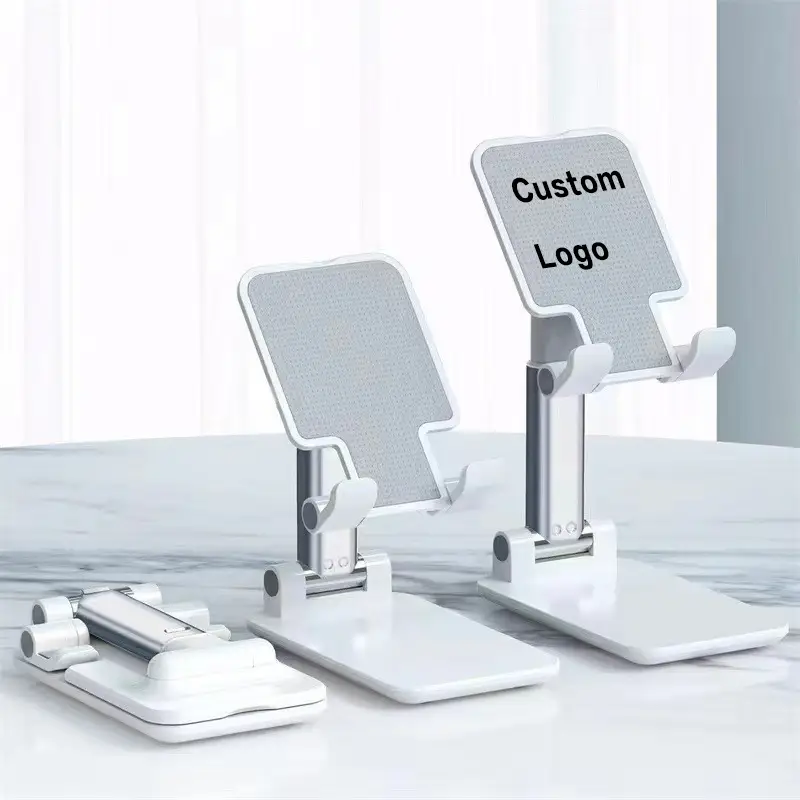
Custom Phone Stands with Your Logo — Metal, Foldable, Rotating
Yichi is a custom phone stand manufacturer in Zhejiang, China, producing desktop stands in aviation alloy and carbon steel at 85 g to around 150 g, with rotation through 360° or 720° across two or three hinges, bodies that fold flat for travel, and logos applied by laser engraving, UV printing or pad printing. Wood, bamboo and leather-faced versions run on the same production line, and two-piece gift sets are boxed with a printed sleeve. Send a logo, a QR code or a campaign line and we return a free effect preview before production. A one-piece minimum, samples in 1-3 days and production in 2-10 days apply across the range.
A phone stand is a desk object that gets used rather than looked at, which changes what has to be specified. A stand that creeps backwards under a tablet, or whose hinge loosens after a few months, is a branding failure regardless of how good the logo looks on the base. The three things that decide whether it survives daily use are the hinge, the base weight and the anti-slip stack — so this page is organised around those rather than around colours.
Desktop, Folding or Lifting — Choosing the Format
The fold-flat desktop stand is the volume format. It opens to hold a phone at reading angle and folds to roughly the thickness of a phone so it can be carried in a bag. Folding is a single movement in the one-piece versions; the body is a continuous piece of sheet, which is why the surface carries a logo cleanly.
The telescopic or lifting stand adds a sliding arm inside the column, so the screen height can be set between roughly 2 cm and 13 cm — the range used for video calls, live streaming, overhead shooting and tablet use where a low stand would put the camera below eye level. The column length adjusts to the person rather than the desk.
The rotating stand turns the device by hand through 360° continuously, so it can be turned away from a customer, into a recipe, or towards a second person at a table. It is the format used on retail counters, in kitchens and on workshop benches, and it is usually the heavier of the three because the base has to resist the torque of being turned.
Fixed-angle and fixed-height stands are also produced where the brief is simply to hold a phone for a video call or a self-service tablet, and where no adjustment is wanted at all.
Rotation: 360°, 720° and the Double-Damper Hinge
Rotation is the specification buyers get wrong most often, so it is worth separating the parts.
360° continuous rotation applies to the base — the whole assembly turns. On the mechanically indexed versions the rotation stops at set points with a light click, which holds a position firmly; on the stepless versions the base turns smoothly and stays where it is left.
720° describes the total travel of a three-hinge stand: the base turns 360° and the arm and panel add further adjustment on top of it, which is how a stand can be set high for filming and then folded down to typing height without being repositioned on the desk.
180° arc adjustment applies to the panel and to the support arm individually on the double-hinge formats — the phone can be tilted back through the full arc while the arm stays where it is. This is the arrangement that keeps a stand usable for both typing and video.
Hinge construction. The rotating formats use alloy-steel hinge pins with a damper, and the double-damper versions put damping on both joints so the panel does not drop when the phone is lifted off. The pinned hinge is also what stops a heavily used stand loosening: the test figures quoted for the range are 10,000 consecutive folding cycles without play and 6,000 rotations still holding firm, and the indexed rotation used on the heavier bodies is rated across 20,000 adjustment cycles.
Anti-drop geometry. Several formats hold the panel at a 45° back-leaning angle rather than upright, which puts the centre of gravity behind the pivot and stops the stand creeping forward under the weight of a tablet.
Base Weight and the Anti-Slip Stack
A stand is stable for two reasons at once: mass low down, and friction where it touches the desk.
Base mass. The rotating and lifting formats use a weighted metal base — the heavier units are around 130 g to 150 g in total, and the base on the enlarged version is 96 mm across against roughly 70 mm on the common lightweight design. A wider, heavier base is the reason a stand survives being tapped repeatedly while a video plays.
The anti-slip stack. Three contact points are treated rather than one: the base pad, the panel pad and the groove pad. The base pad sits on the desk and is made from soft silicone so it grips without marking the surface; the panel and groove pads hold the device. Together they give the three-point grip that keeps a phone from sliding forward when the screen is touched.
Weighted base plus pads. The combination is the practical specification: a base heavy enough that the stand does not tip backwards when a tablet is placed on it, and pads soft enough that it does not walk across the desk. Metal feet with silicone inserts are used on the heavier formats for the same reason.
Device protection. The pads are also what stop a phone case or a screen edge being scuffed by the stand, so the softness of the material is not only about grip.
Metal, Wood, Bamboo and Leather — Body Materials
The stand body is a small object, so the material choice is the main visual decision.
Aviation alloy and carbon steel. The core range. Alloy is used where the stand should look light and modern and carries a frosted or sandblasted surface; carbon steel is used on the heavier lifting and rotating formats where rigidity matters more than weight. Both take laser engraving cleanly, which is why most logo work lands on these two.
Black walnut with a metal arm. A solid walnut base with a metal column — the base is the part the logo sits on, and the wood grain means engraving reads as a burned-in mark rather than a printed one. The combination is used where the stand is bought as a desk accessory rather than as a giveaway.
Solid pine and bamboo bases. Lighter and less expensive, used for volume promotions where the stand is expected to be a giveaway. A bamboo base is a reminder that a stand is also an environmental statement, which is why it turns up in sustainability-led campaigns.
Leather-faced versions. A leather panel over a metal body, with a printed or debossed logo on the face. This is the format used in gift programmes where the stand is presented alongside a notebook or a pen set.
Colour range. Black is the volume finish — obsidian black, classic black and deep black are all produced — alongside pearl white, milk white, frost silver, deep gunmetal, soft pink, fresh green, purple and grey. The metallic finishes are the ones most often matched to a corporate identity.
Device Fit: Phone and Tablet Sizes
The stands are specified by the device they will carry, and the fit is decided by three dimensions rather than by a model list.
Panel width and groove depth. The groove is cut at about 15 mm, which is the figure that lets a phone stay in place with a case fitted. A stand with a narrow groove will not hold a cased phone, and that is the single most common fit complaint.
Panel height and back support. The panel has to be tall enough that a large phone leans on the back plate rather than hanging on the groove. Where a tablet is involved, the back plate does the work.
Load. The range is quoted to carry phones and tablets up to 12.9 in, with the heavier formats rated to 40 kg on the structure and the lighter ones to 10 kg. In practice the limit is not the metal but the hinge, which is why the specification asks how heavy the device is, not just how large.
Charging access. A gap at the base of the cradle lets a charging cable reach the port, so the device can be charged while it is on the stand — the detail that decides whether a stand gets used on a desk or put in a drawer.
Screen clearance. The cradle is cut so that it does not cover the bottom of the screen, which keeps subtitles and captions readable while the device is in the stand in landscape. On the folding desktop formats the body closes through a 90° fold, so the stand packs to roughly the footprint of the phone rather than staying a permanent fixture on the desk.
Logo Methods: Laser, UV Print or Pad Print
Laser engraving. The default for metal stands. The mark is cut into the surface, so it does not wear or fade, and it reads as a tone change rather than a printed colour — dark on light finishes, light on dark. Single-face and double-face engraving are both produced; the double-face version puts a mark on the base and on the back panel.
UV printing. Full-colour printing cured with UV light, used where the artwork is a full-colour logo, a photograph or a QR code that has to stay scannable. UV print is the route for gradient artwork and for any design that uses colour separation.
Pad printing. Single-colour marks on the base or on a curved surface, used on the volume formats where the artwork is one colour on one face.
Pad printing plus laser combination. The most common commercial arrangement: the logo engraved on the body and a fuller graphic — a campaign line, a QR code, a phone number or an address — printed on the base, so the stand carries both the brand and the message.
Artwork placement. Text is normally placed on the base or on the flat back panel because those are the only two surfaces with enough flat area for a legible mark. Send the design in the intended position and we will confirm whether it fits the engraving area before production.
Presentation: Gift Sets and Retail Packaging
A branded phone stand is often sold or given as part of a set, and the packaging is part of the product.
Two-piece sets. A stand with a brass and sandalwood pen, or a stand with a retractable charging cable, boxed as a pair. Both versions take a printed logo on the box sleeve, and the stand inside can carry its own engraving, so one set delivers the brand twice.
Printed sleeve and carry bag. The sleeve carries a full-colour print across its face; a carry bag is available as an addition where the set is going to a trade show or a channel partner.
Retail and export packing. Single units are packed in a poly bag or a printed box, with carton marks and barcodes available for buyers shipping into a retail channel.
Specifications
| Item | Detail |
|---|---|
| Body materials | Aviation alloy, carbon steel, alloy-steel hinge pins; black walnut, solid pine, bamboo, leather-faced versions |
| Surface | Frosted (sandblasted) on alloy; powder-coated or anodised colour on steel |
| Weight | Approx. 85 g; 130 g heavyweight; 132 g single unit; approx. 150 g on the lifting formats |
| Base diameter | 96 mm on the enlarged base (common light design approx. 70 mm) |
| Folded / unit dimensions | Approx. 8 cm x 8 cm x 6 cm body; 70 x 125 x 33 mm on the upgraded desktop format |
| Height range | Approx. 2 cm at the lowest to approx. 13 cm at the highest on the lifting formats |
| Body thickness | Approx. 2 mm sheet on the folded formats |
| Rotation | 360° continuous on the base; 720° total travel on the three-hinge formats; 180° arc on panel and arm, double-hinge |
| Tilt range | 0–130° on the tighter formats; 45° fixed back-lean on the anti-drop formats; 5–75° on the adjustable range; 90° folding on the fold-flat desktop formats |
| Hinge | Alloy-steel pin with damper; double-damper on the two-joint versions; indexed rotation on the heavy bodies |
| Load rating | 40 kg on the heavy structure; 10 kg on the lighter formats |
| Cycle test figures | 10,000 folding cycles without play; 6,000 rotations holding firm; 20,000 adjustment cycles |
| Device fit | Phones and tablets up to 12.9 in; approx. 15 mm groove takes a cased phone |
| Anti-slip | Base pad, panel pad and groove pad, soft silicone; weighted metal base with silicone feet on the heavy formats |
| Cable access | Charging gap at the base of the cradle |
| Colours | Obsidian black, classic black, deep black, pearl white, milk white, frost silver, deep gunmetal, soft pink, fresh green, purple, grey |
| Logo methods | Laser engraving (single or double face), UV print, pad print |
| Packaging | Poly bag, printed box; two-piece gift set with printed sleeve; optional carry bag |
| MOQ | 1 pc |
| Sample time | 1-3 days |
| Production time | 2-10 days |
Artwork Requirements and Tolerances
Vector for logos. AI, PDF, EPS or CDR with text converted to curves. For engraving this matters more than usual: because the mark is cut, a fine stroke can close up, so keep hairlines above about 0.2 mm at finished size and give letterforms a little space.
Raster for photographs. JPG accepted; send the largest available pixel dimensions.
QR codes. Send as a vector file and give the code as much of the flat area as the layout allows. A code printed small on a curved or textured surface is the most common reason a scan fails.
Colour. Laser engraving produces a tone change rather than a printed colour, so an engraved mark will never match a Pantone reference exactly — it will read as a lighter or darker version of the body finish, and this is a property of the process rather than a defect. Printed marks are matched within the trade tolerance of about 10% colour difference from a screen reference.
Measurement. Dimensions are hand-measured and carry a small tolerance; the weight figures quoted are nominal for the format, and bases are weighted rather than machined to an exact figure, so a small variation between units is normal.
Preview. A free effect preview is produced before production and production does not begin until it has been confirmed.
Where Branded Phone Stands Get Used
Conferences and trade shows. Fold-flat stands engraved with a stand number, a company name and a QR code, given as the desk object that gets carried home.
Corporate gift programmes. Gift sets pairing a stand with a pen or a charging cable, boxed for staff awards, client gifts and channel incentives.
Retail and channel promotions. Stands printed with a product line, a store name or an address and phone number, used at counters where customers need to see a screen.
Offices and open-plan desks. Lifting stands for video calls, where screen height and cable access matter more than branding, and where the stand is bought by the team rather than by marketing.
Live streaming and content creation. The heavier rotating and lifting formats, where the stand has to hold a device steady at an angle for long periods.
Hospitality, kitchens and workshops. Rotating stands where a recipe, a job sheet or a screen is turned by hand during use, in environments where the base will be tapped and the body wiped.
Promotional giveaways. Lightweight pine or bamboo versions planned as volume items, where the stand’s job is to stay on a desk long enough to be seen.
How an Order Runs
- Send the brief. The device size and weight, the environment it will be used in, the quantity and the branding route you have in mind.
- Confirm the format. We will recommend folding, lifting or rotating, the body material and the logo method against how the stand will actually be used.
- Artwork and preview. Send a vector file or a high-resolution image, with the mark placed where you want it. A free effect preview follows.
- Sample. A one-piece sample runs in 1-3 days — the stage to check hinge feel, base grip and how the engraved mark reads on the chosen finish.
- Production. Bulk production runs in 2-10 days from confirmed artwork; gift sets are assembled and sleeved before packing.
- Shipping and invoice. Export packing, carton marks and documentation are arranged to the destination; a formal invoice is available on request.
Ready to see your logo on a stand? Request a Quote with your device size, the format you have in mind and your artwork, and we will return a free effect preview together with a recommended body material for the way the stand will be used.
Why Order From Yichi
Hinge and base specified, not just described. Rotation angles, hinge construction and cycle test figures are stated, because those are the parts that decide whether a stand is still holding a position a year after it was given away.
Four body materials in one programme. Metal, walnut, pine and bamboo — and leather-faced versions — so a campaign can run a premium tier and a volume tier without splitting the order across suppliers and colour standards.
A one-piece minimum. One piece is enough to check the coating, the hinge and the engraving quality, which is how buyers de-risk a conference or channel order before it is placed.
Logo route matched to the artwork. Laser where the mark must never wear, UV print where the artwork is full-colour or has to scan, pad print where the mark is one colour on a volume item.
Gift sets assembled in-house. Stand, pen or cable, sleeve and insert are packed as one item, so the branding is consistent across every part of the set rather than only the stand.
Browse the rest of the promotional gifts range, or send your device size and we will come back with a format recommendation.
Frequently Asked Questions
What is the MOQ for custom phone stands?
Which stand format should I choose?
How much rotation do the stands give?
What materials are the stands made from?
What artwork do you need?
Can the stand be packed as a gift set?
You May Also Need
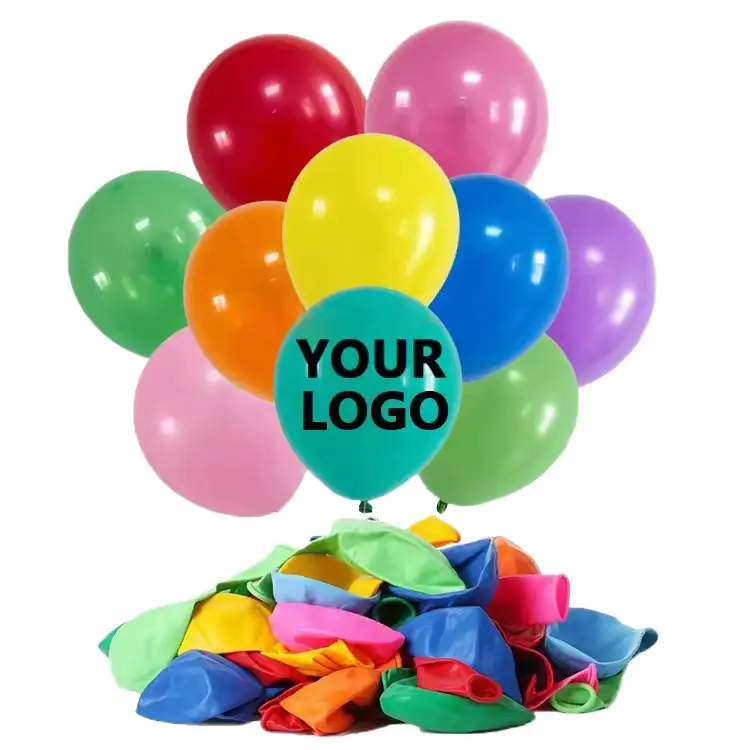
Custom Printed Balloons – Free Design & Bulk
Custom printed balloons with free design & 1-on-1 support. MOQ of just 1. Silk-screen logo printing on 230 colors. CE-certified quality for promotions & events
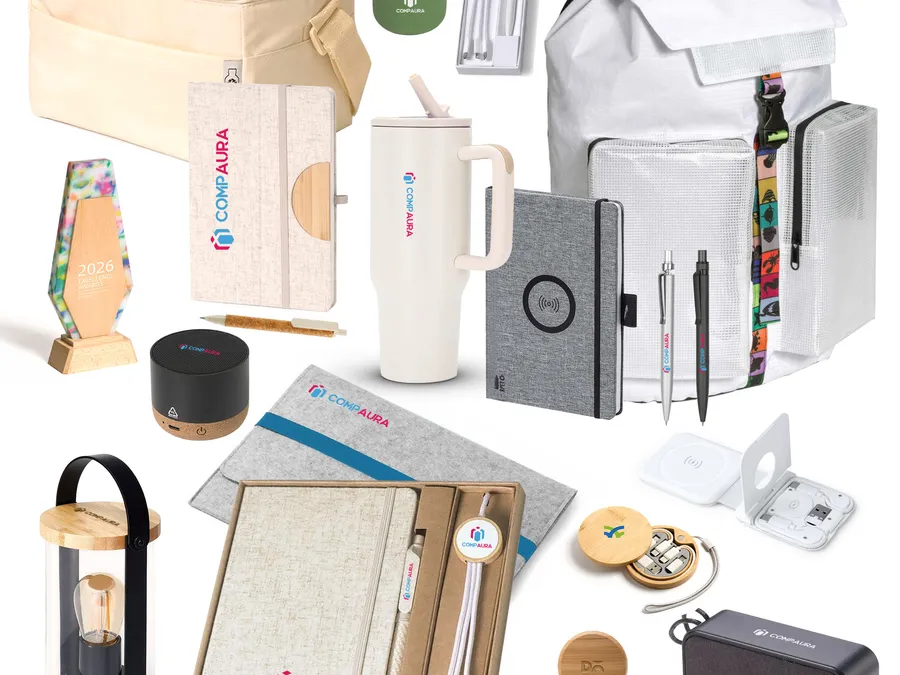
Business Gift Sets
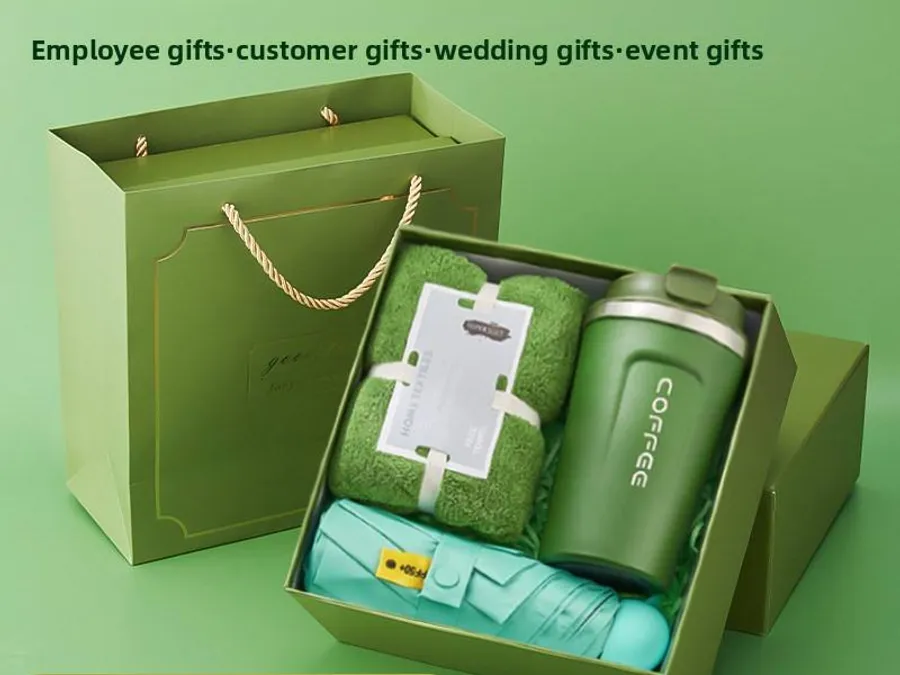
Business gift sets and opening ceremony gifts with your logo — complete branded sets for corporate launches, anniversaries and holiday gifting.
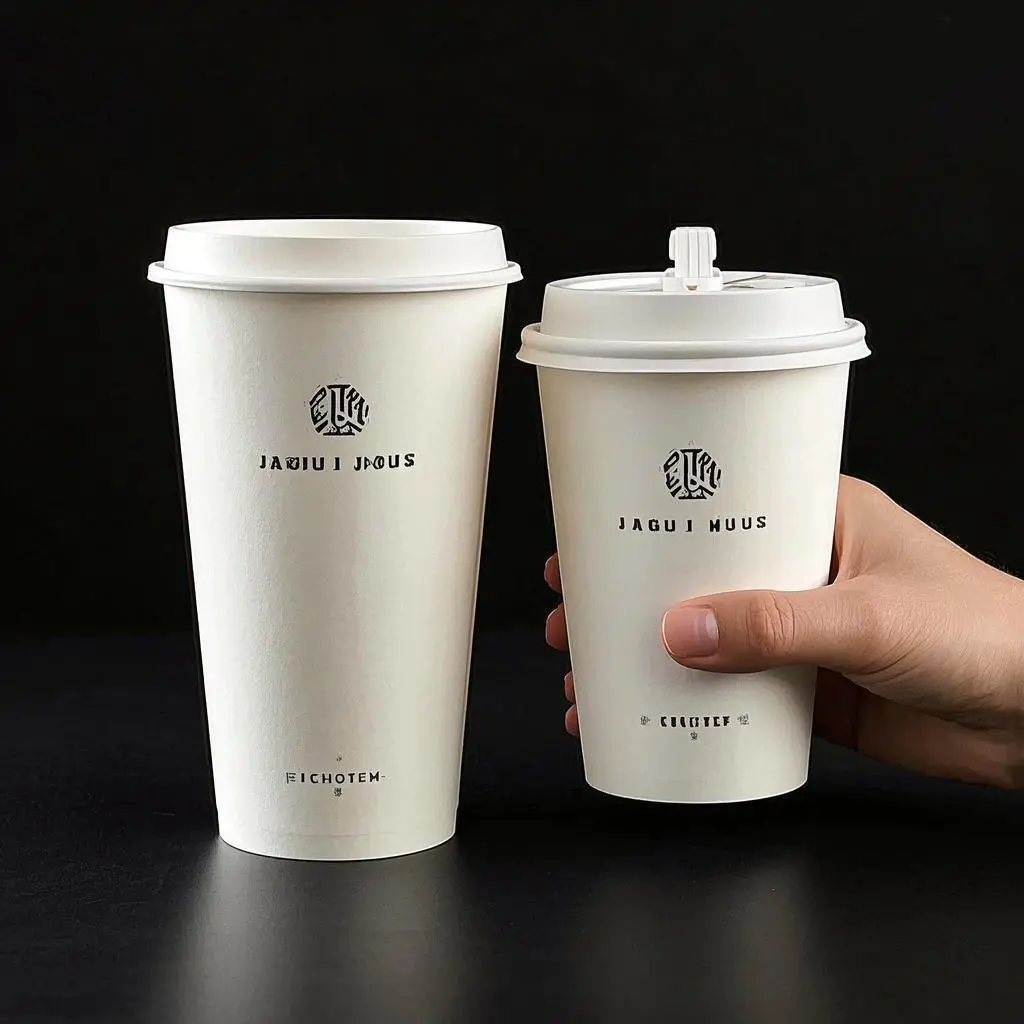
Custom Printed Coffee Cups | Branded Paper Cups with Logo
Custom printed coffee cups with your logo from just 1 piece—food-grade, hot/cold ready, free layout design and fast samples in 1-3 days.
Corporate Gifts
Corporate gifts custom-made with your logo — USB drives, nail clipper sets, notebooks, mugs and more. One-stop corporate gift sourcing with low MOQ.