Custom Pill Boxes Manufacturer – 1 to 7 Compartments, Sealed & Logo Printed, 1 pc MOQ
Custom pill boxes in food-contact PS, ABS and PP with silicone seals — 1 to 7 compartments, logo printed or laser engraved. 1 pc MOQ, samples in 1-3 days.
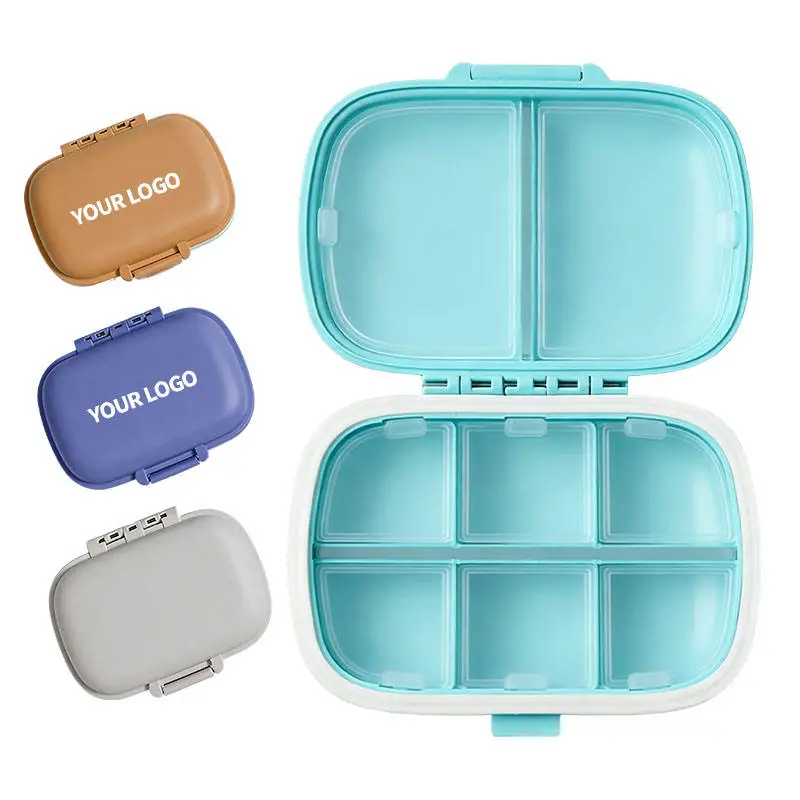
Custom Pill Boxes with Your Logo — Sealed, 1 to 7 Compartments
Yichi is a custom pill box manufacturer in Zhejiang, China, producing sealed medication organisers across two families: latch-and-gasket boxes in food-contact PS, ABS and PP with silicone seals, and stacking compartment trays with lift-out internal cells. Formats run from a single-cell pocket box up to a seven-cell weekly organiser, in sizes from 8 x 8 x 4 cm at 53 g up to 11 x 8.5 x 3 cm, with the compartment count adjustable from one cell to seven. Branding goes on by pad printing or laser engraving, and pattern printing across the lid is also produced. Send a logo, a colour reference or a dosing plan and we return a free effect preview before anything is moulded or printed. A one-piece minimum, samples in 1-3 days and production in 2-10 days apply across the range.
A pill box looks like a simple object and is not. It is the one promotional item that gets opened several times a day, carried in a bag, and relied on not to let damp in. That is why the two questions that decide whether a box gets used — how many compartments, and how well it actually seals — are also the two questions almost never answered on a product page. The specification below is organised around them.
Compartment Count: From a Single Pocket Box to a Seven-Day Organiser
The compartment count is a dosing decision before it is a product decision, and the range is built to match four different dosing patterns rather than to be sold by size.
Seven cells. One cell per day, laid out left to right. This is the format for a once-a-day routine, and its real advantage is not capacity but confirmation: an empty Tuesday cell tells the user the dose was taken without anyone having to remember. The internal tray sits inside an outer case with a latch, so the tray can be lifted out and carried on its own.
Six cells. The format for twice-daily or three-times-daily dosing, and the one most often specified for travel. It is produced as a rectangular tray and as an oval 8 x 8 x 4 cm body weighing 53 g — the oval version is the format that sits flat in a wash bag.
Three and four cells. Smaller outer cases with a removable three-cell tray inside. The outer case on the three-cell format measures 11 x 8.5 x 3 cm and the inner tray 8 x 3.5 x 2.5 cm, which is the pairing that lets one product cover a week at home and a day out.
One and two cells. The pocket formats. Small enough to close a hand around, which is the entire brief for this size.
On the larger boxes the internal tray can be separated so the compartment count itself is adjustable — six, five, four, three, two or one cell — by removing dividers rather than by buying a second box. For a buyer specifying one item for a mixed user group, that adjustability is frequently the deciding feature.
Double Seal and Triple Seal: What Actually Keeps Moisture Out
Every box in the range closes with a latch, and a latch on its own is not a seal. The moisture barrier is the silicone, and there are two builds of it.
Double seal. An outer case latch plus a silicone gasket ring seated in the lid. The latch applies the closing force and holds the lid shut under handling; the gasket ring is what the lid compresses against. On this build the lid is opened by pressing the thumb against the lower half of the case and pushing the top cover up until the latch releases.
Triple seal. The same latch and ring, plus a thickened grooved silicone strip set into the lid channel. The groove raises the contact area between gasket and rim, so the barrier does not depend on a single line of contact. The material is also specified as a thicker gauge. This is the build to choose when the box is going into a coat pocket, a rucksack or a car, where it will be knocked and squeezed rather than left on a bedside table.
Two details that matter more than they look.
The recessed latch. The latch on this range is set into a recess in the body rather than standing proud. That is a small moulding decision with a practical result: a latch that does not sit above the surface is much harder to trip open by accident, which is the failure mode that matters when the box is in a bag.
The rounded edge. Edges are finished round rather than square, so the box does not catch on the lining of a pocket and is comfortable to open repeatedly.
One point worth knowing before your first sample: because these boxes are designed to close tightly, opening one takes deliberate force the first few times. That is characteristic of the design, not a fault, and it is the trade-off that buys the seal.
Food-Contact PS, ABS, PP and Silicone — Which Material Goes Where
Four materials appear across the range, and they are not interchangeable between parts.
PS (polystyrene) is used on the outer shell of the latch boxes and on the clear bodies. It is the material that gives a rigid, glass-clear wall so the contents can be seen without opening the box — the reason a transparent version can show at a glance whether a dose has been taken.
ABS is used on the internal trays and inner boxes. It is the tougher of the two, so it is the material for the part that is handled every day and lifted in and out of an outer case.
PP (polypropylene) is used on the thicker, heavier-walled formats — the ones specified as added-thickness bodies. Where a box is described as a heavy or reinforced build, PP is normally what it is made from.
Silicone is the seal and only the seal: the gasket ring on the double-seal build, the grooved strip on the triple-seal build, and the seal around the lid channel.
The source specifications for this range describe the bodies and lids as food-contact grade and note that the boxes and the lids can both be brought into contact with medication. They are also described as odour-free. Those are the material claims supported by the source material; if your market needs a formal declaration for importer or retail compliance, raise it at enquiry stage rather than after the artwork is approved.
Matching Cell Size to Capsules, Tablets and Softgels
The most common cause of a returned pill box is simple: the cells looked generous in a photograph and turned out to be the wrong shape for what the buyer actually takes. The range is therefore specified by what fits rather than only by external dimensions.
| What goes in | Typical size | Cells per small cell | Cells per large cell |
|---|---|---|---|
| Standard capsule | approx. 2 cm | approx. 8 | approx. 12 |
| Ordinary tablet | approx. 0.9 cm | approx. 26 | approx. 46 |
| Fish-oil softgel | approx. 1.7 cm | approx. 8 | approx. 16 |
The small cell on the seven-cell and six-cell formats measures 2.8 x 2.8 x 1.4 cm internally, which is the figure to check against the longest single item in the user’s routine. Cells in the smaller formats are shallower, so tablets sit in a single layer and do not slide over each other — a small advantage that shows up after a few weeks of use, when a shallow cell still reads as a count and a deep one has become a pile.
A note on depth versus capacity. On the four-cell and six-cell boxes the specification quotes a per-cell count of roughly ten tablets or twenty pieces on the small format. Where a buyer needs more of one particular item, the answer is usually a larger box rather than a deeper cell, because a deep cell defeats the purpose of a compartment.
Printing and Laser Engraving on a Pill Box
Three branding routes are produced on this range, and the choice is decided by how much colour the artwork carries.
Pad printing applies an ink logo or graphic to the lid or the outer case face. It carries full colour, so it is the route for a multi-colour logo, an illustration, a graphic pattern or a QR code. Because the printing sits on the surface, a printed face is the one that will show the most detail at close range.
Laser engraving cuts the mark into the body itself. It produces a single-tone mark that follows the colour of the material and does not lift, fade or peel — the reason it is normally chosen when the mark has to survive being wiped and carried. It is a one-colour process, so it suits a wordmark, a monogram or a short campaign line rather than a full-colour graphic.
Pattern printing across the lid is a separate option produced on this range, used when the design is decorative rather than a logo — a surface pattern that makes the box read as a gift rather than a pharmacy item.
Where the mark goes. The lid and the outer case face both take a mark. On the multi-cell formats the lid is the larger continuous surface and is normally the primary position; on the pocket formats the lid is the only face with enough flat area for a legible mark, so artwork is designed to that shape.
Specifications
| Attribute | Details |
|---|---|
| Material | Food-contact PS (outer shell), ABS (internal trays), PP (heavy-wall formats), silicone seals |
| Compartment count | 1 to 7 cells; internal tray dividers removable on the larger formats |
| Formats | Seven-cell weekly, six-cell, six-cell oval, four-cell, three-cell, single-cell pocket |
| Sizes in range | 11.5 x 8 x 2.5 cm; 11 x 8.5 x 3 cm (outer case); 11 x 8 x 2.5 cm; 8 x 8 x 4 cm; 7 x 10 cm |
| Cell size (multi-cell) | 2.8 x 2.8 x 1.4 cm |
| Weight | 53 g (oval six-cell); 75 g; 82.5 g |
| Seal build | Double seal (latch + silicone gasket ring) or triple seal (latch + ring + grooved silicone strip) |
| Colours | Green, orange, cream white, white, brown, blue, pink, khaki, red, sky blue, royal blue, yellow, transparent pink, transparent blue, transparent grey, transparent grey-beige |
| Lid detail | Recessed latch; rounded edges; clear or translucent bodies for visible contents |
| Branding | Pad printing (full colour) or laser engraving (single tone); pattern printing across the lid |
| Packaging | OPP bag; kraft-paper box; colour box |
| Carton | 200 pcs per carton; N.W. 15 kg / G.W. 16 kg; carton 57 x 30 x 38 cm |
| MOQ | 1 pc |
| Sample Time | 1-3 days |
| Production Time | 2-10 days |
Artwork Requirements
A vector file is the cleanest input: AI, EPS, CDR, PSD or PDF, with all text converted to curves so that no font has to be substituted at our end. Raster artwork should be supplied at 3000 x 2000 pixels or above; a JPG at 2000 x 3000 or higher is workable where the mark is a photograph or a dense graphic.
Size the mark to the lid. The flat area on the pocket formats is small, so a detailed mark that reads well on a seven-cell lid will not read on a single-cell lid at the same physical size. Send the artwork against the box you intend to use and the preview will show the mark at true scale.
Colour. Where the logo has a specified Pantone reference for pad printing, send it with the file. Allowing for the fact that ink on an ABS or PS body reads slightly differently from ink on paper, and that displays vary, a small variation between the on-screen preview and the finished print is normal. Where an exact match matters, that is the reason to approve a sample.
One preview, then production. The preview is issued before printing or engraving starts, and it is the stage at which position, size and colour are settled. After the preview is confirmed the artwork is fixed, because a custom-printed box cannot be reworked or resold.
Where Custom Pill Boxes Get Used
Pharmacy and clinic programmes. Weekly organisers given to patients on a new repeat prescription, branded with the pharmacy name and telephone number. The seven-cell layout is the format here, because the reminder function is the point — a box that shows an empty Wednesday has done its job whether or not anyone looks at the logo.
Health campaigns and public-health programmes. Compartment boxes distributed through community health centres, care homes and outreach events, where the object has to be legible to an older user and durable enough to be used for years.
Corporate wellness and staff programmes. Pocket and travel formats issued to staff alongside a benefits pack, printed with the company mark. The small formats are the ones that actually get carried, which is what makes them worth branding.
Pharmaceutical and supplement trade promotion. Shallow four-cell and six-cell boxes used as a premium at a trade stand or in a rep’s bag, where the box is filled with the product it accompanies.
Travel and outdoor retail. Oval six-cell and three-cell formats sold or given away as travel accessories, in retail packaging or as a gift-boxed item.
Care homes and assisted-living suppliers. Multi-cell boxes specified for staff-managed dosing, where the requirement is a lid that stays shut and a compartment that can be checked at a glance.
How an Order Runs
- Send the artwork or the dosing plan. A vector logo file, a colour reference, or simply a description of the routine the box has to serve.
- Format selection. We match the brief to a compartment count and a size from the range and confirm the seal build.
- Effect preview. A free preview of the mark on the chosen box, at true scale, before anything is produced.
- Sample. Samples run in 1-3 days from confirmed artwork, so the latch feel and the gasket can be checked in the hand.
- Production. Bulk production in 2-10 days from approval, with the seal and the closure checked before packing.
- Packing and shipment. OPP bag, kraft box or colour box as specified, cartoned at 200 pieces per carton.
Why Order From Yichi
A one-piece minimum. One printed box is enough to judge the seal, the latch action and the legibility of the mark, which is how a pharmacy or a marketing team de-risks a programme before it is placed.
A free preview before production. Because a custom box carries your artwork and cannot be resold, the preview stage does the work that a returns policy cannot. Use it — including on a single piece.
Four materials, correctly placed. The shell, the tray, the heavy-wall body and the seal are separate material decisions on this range, and each is specified for the part it is doing rather than for the whole box.
A compartment count that adjusts. On the larger formats the dividers come out, so one item covers a week at home and a day out, and a buyer with a mixed user group does not have to stock two products.
Fast turnaround on both ends. Samples in 1-3 days and bulk production in 2-10 days from confirmed artwork.
Tell us the routine the box has to serve — how many doses a day, what size the tablets are, and where the box will be carried — and we will recommend the format and return a free effect preview. Request a quote or send your artwork directly and we will come back with a recommendation and a proof.
Frequently Asked Questions
What is the MOQ for custom pill boxes?
How many compartments should I choose?
What is the difference between double seal and triple seal?
Are the materials safe for direct contact with medication?
How many tablets fit in a cell?
Can the lid be printed, or is engraving the only option?
What artwork file do you need?
Are custom pill boxes returnable?
You May Also Need
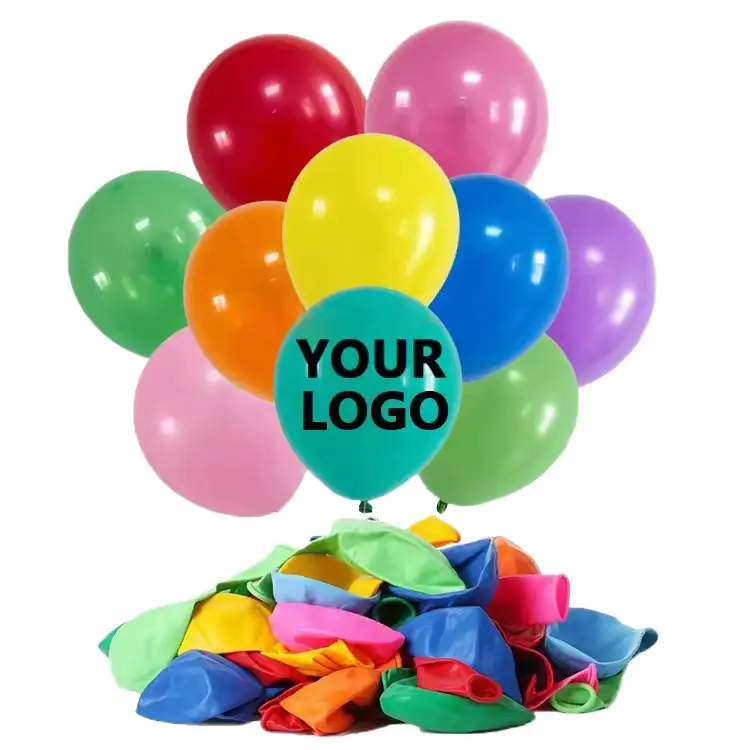
Custom Printed Balloons – Free Design & Bulk
Custom printed balloons with free design & 1-on-1 support. MOQ of just 1. Silk-screen logo printing on 230 colors. CE-certified quality for promotions & events
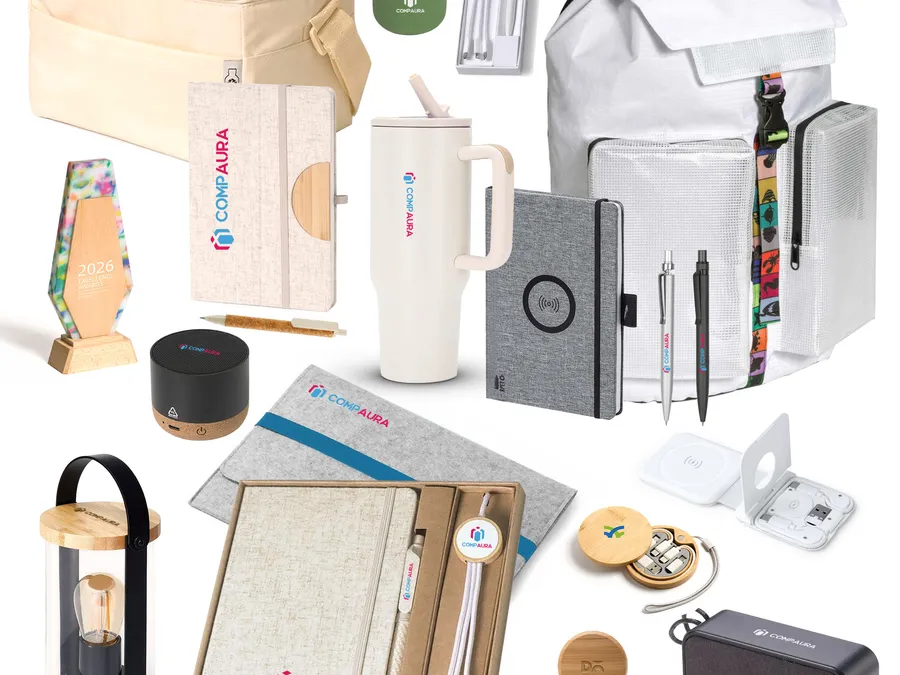
Business Gift Sets
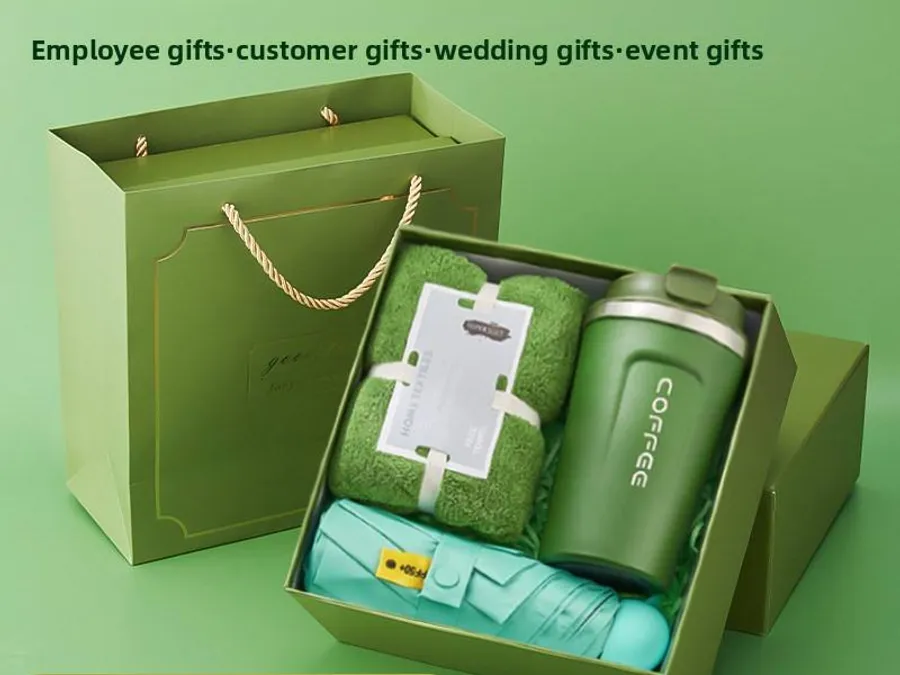
Business gift sets and opening ceremony gifts with your logo — complete branded sets for corporate launches, anniversaries and holiday gifting.
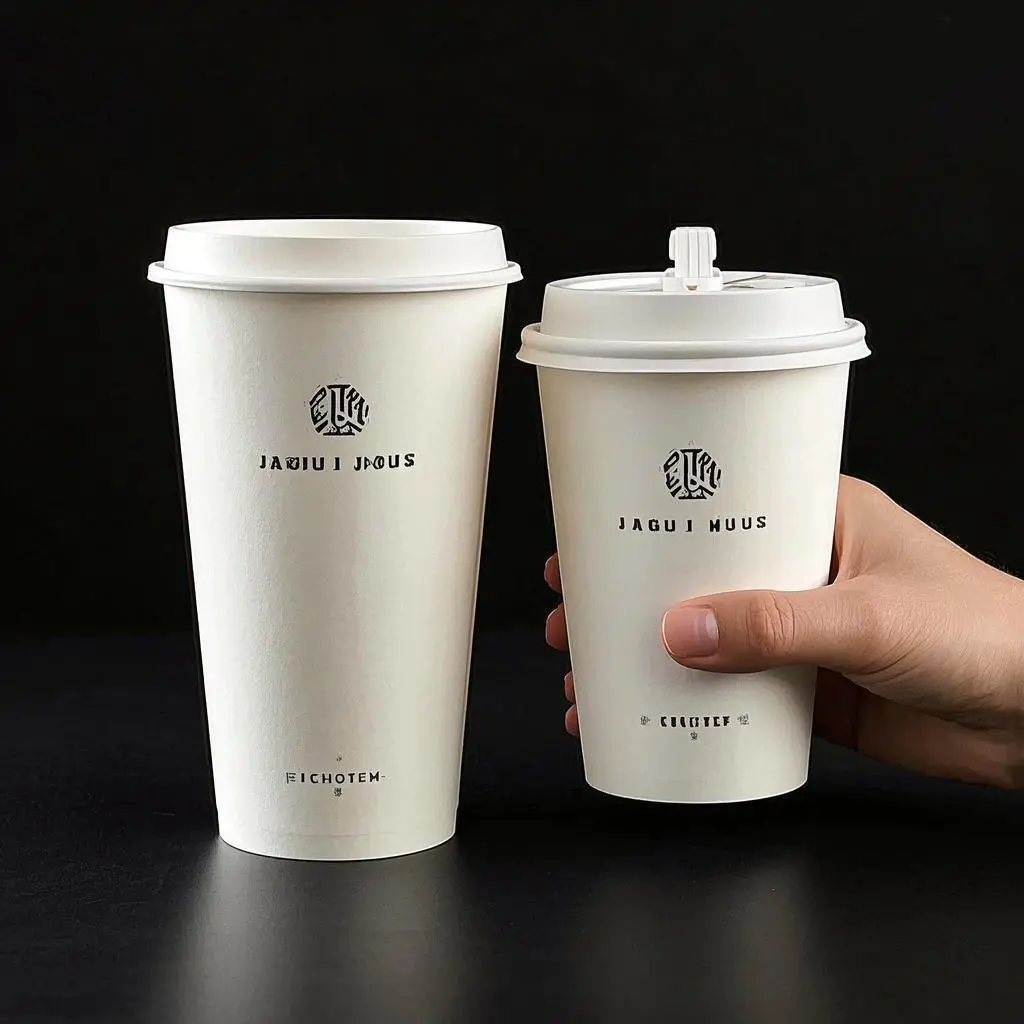
Custom Printed Coffee Cups | Branded Paper Cups with Logo
Custom printed coffee cups with your logo from just 1 piece—food-grade, hot/cold ready, free layout design and fast samples in 1-3 days.
Corporate Gifts
Corporate gifts custom-made with your logo — USB drives, nail clipper sets, notebooks, mugs and more. One-stop corporate gift sourcing with low MOQ.