Custom Plastic Stools Manufacturer – PP & Clear PET, Logo or Ad Copy, 1 pc MOQ
Custom plastic stools in thick-wall PP and clear PET, with 65 kg and 90 kg load classes, stacking bodies and printed logos or ad copy. 1 pc MOQ.
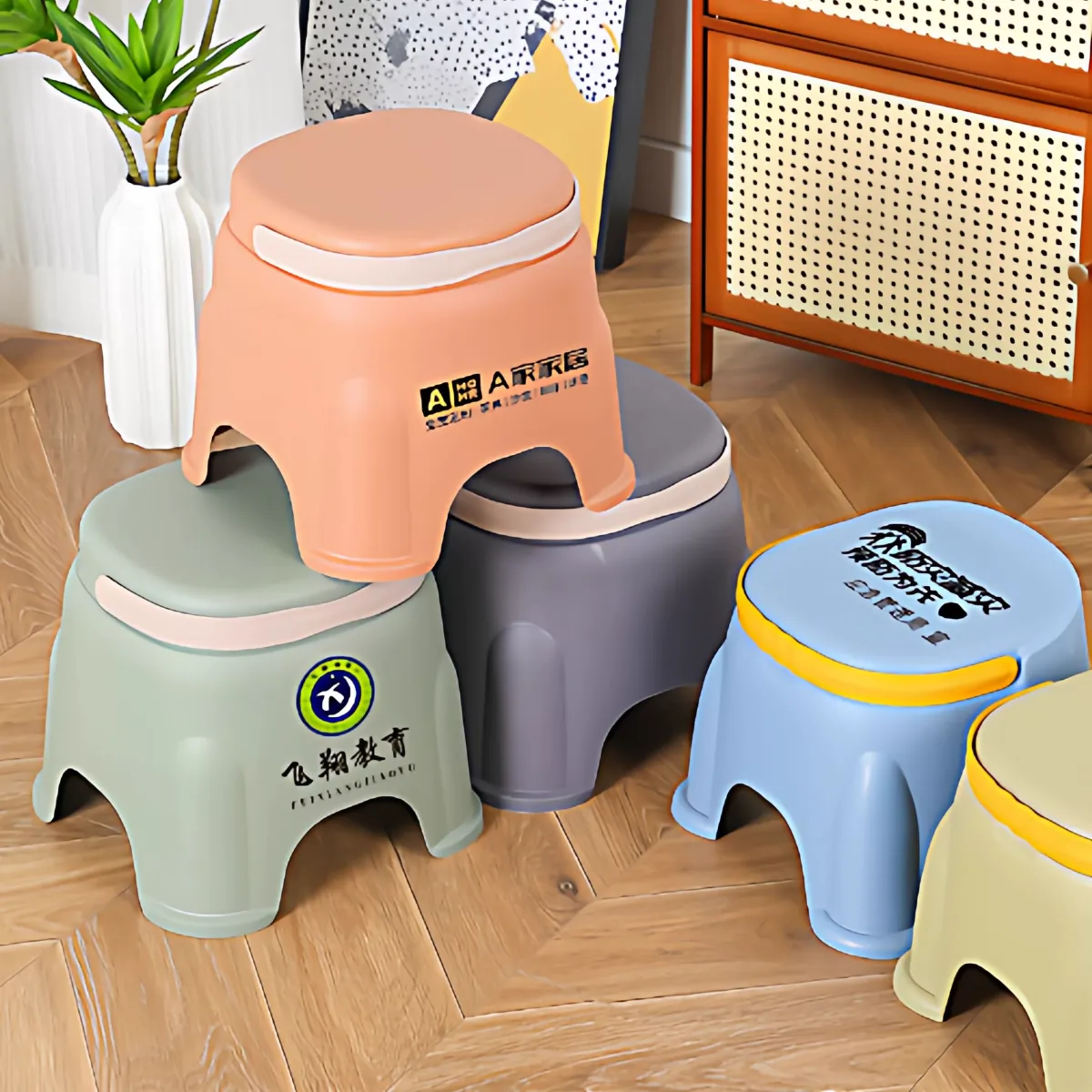
Custom Plastic Stools with Your Logo — PP and Clear PET
Yichi is a custom plastic stool manufacturer in Zhejiang, China, producing printed seating across two material families: opaque PP bodies for advertising, bathroom, classroom and utility use, and clear PET for the transparent lightweight-look format. Load ratings run at around 130 jin / 65 kg on the standard mouldings and around 180 jin / 90 kg on the reinforced, taller ones; face dimensions run from about 22 cm square up to 27 cm, and heights from about 23 cm to 35 cm. The range is stackable, carries a reinforced base grid and anti-slip feet, and takes printed advertising copy, text, images and QR codes as well as a logo. Send artwork or a specification and we return a free effect preview before production. A one-piece minimum, samples in 1-3 days and production in 2-10 days apply across the range.
A plastic stool is the least glamorous item in a promotional catalogue and one of the hardest working. It is sat on rather than admired, and it spends its life being moved, stacked and pushed across a floor. That is why a stool that is specified badly fails visibly — a cracked seat, a splayed leg, print that has worn off the face within a season. The decisions that prevent those failures are load class, seat height, body material and the reinforcement in the base, and they are set out below in that order.
Load Rating: The 65 kg and 90 kg Classes
The rating is the first specification to settle, because it decides which mouldings are in scope at all.
About 130 jin / 65 kg. The standard class. Found on the flat utility mouldings at around 22.5 x 22.5 x 25 cm and on the shorter formats. This is the class for waiting rooms, classrooms, staff areas, bathrooms and light retail use — anywhere an adult sits down and stands up, but nobody stands on the product.
About 180 jin / 90 kg. The reinforced class. Found on the taller and heavier mouldings at around 24 x 24 x 28 cm and on the thick-wall bathroom formats at about 22 x 22 x 24 cm. The source material uses this class for the formats described as suitable for both adults and children, which is the clue to where the reinforcement sits: the seat is thicker and the base is heavier.
Where the strength actually comes from. Three moulding features carry the load, and all three are described on the source material:
- A thickened base grid. The underside of the seat is moulded as a grid rather than a flat panel. The grid spreads the load across the full seat area instead of concentrating it at the centre, which is what stops a seat bowing over time.
- Perimeter rails. The base carries rails around the edge — the source material describes these as designed to increase the load capacity. They add stiffness at the point where a seat normally fails, which is the rim.
- Thick-wall material and wall height. The taller formats are also the heavier-walled ones, which is why height and rating travel together across this range.
Reading a rating sensibly. A quoted load is a working limit, not a safety margin, and it is measured on a seat in good condition. In a public setting the practical approach is to specify the reinforced class wherever the user group includes adults of larger build, and to treat a static sit-down rating as exactly that — not a rating for standing, jumping or a two-person load.
Seat Height and the Size Ladder
Height is the specification that decides whether a stool is comfortable or merely available, and it should be matched to what the user is sitting at rather than chosen for looks.
| Format | Face | Height | Base | Load class |
|---|---|---|---|---|
| Bathroom / utility, thick-wall | 22 x 22 cm | 24 cm | — | approx. 180 jin / 90 kg |
| Standard utility | 22.5 x 22.5 cm | 25 cm | — | approx. 130 jin / 65 kg |
| Thick-wall, added height | 24.5 x 24.5 cm | 25 cm | — | approx. 130 jin / 65 kg |
| Reinforced | 24 x 24 cm | 28 cm | — | approx. 180 jin / 90 kg |
| Decorative, added height | 25 x 25 cm | 28 cm | 29 cm | — |
| Tall decorative | 27 x 27 cm | 35 cm | 34 cm | — |
| Clear PET, small | 21.5 cm | 25 cm | 29.2 cm | — |
| Clear PET, large | 27 cm | 28.8 cm | 33 cm | — |
Two further measurements in the range, from the utility mouldings: a 23 x 25 x 28 cm format and a 23 x 27 x 30 cm format, and a shallow format at 25.5 x 22.5 x 23 cm.
What the numbers mean in use. A stool in the 24 cm to 25 cm band is a low seat — it suits a bathroom, a shower, a child’s table, a shoe-changing spot and a low utility surface. The 28 cm band is the height that works at a standard desk, workbench or counter. The 35 cm format is the tallest in the range and behaves more like a low chair than a stool, which makes it the format for a counter, a bar-height surface or a standing-desk perch. Buying a 25 cm stool for a 75 cm desk is the most common specification error in this category.
Base width against height. The taller formats carry a wider base — 29 cm under the 28 cm-high decorative format and 34 cm under the 35 cm format — which is the geometry that keeps a tall stool from tipping. On a decorative format, the base width is worth checking against the height before the visual appeal decides the order.
Opaque PP or Clear PET — Choosing the Body
PP for everything that takes use. The opaque bodies are the general-purpose material: advertising stools, bathroom stools, classroom seating, utility and retail use. PP takes print cleanly, holds colour across a range of shades, and is described on the source material as thick-walled, flexible rather than brittle, heat resistant and odour-free. The flexibility matters more than it sounds — a body that flexes under an uneven floor and returns to shape is the difference between a stool that lasts years and one that cracks on the first knock against a doorframe.
PET for the visible ones. The clear bodies use PET, and they are bought for how they look: a transparent stool reads as furniture rather than as equipment, and it disappears into a room’s design. The source material describes the clear formats as having a smooth, wide, comfortable seat with a slightly dished sitting surface and rounded edges. The trade-off is deliberate: a clear body shows its material quality in a way an opaque one does not, so it is normally the format for retail, hospitality and domestic settings where the stool is on show.
Colour as a specification. The opaque range covers a broad palette, including sky blue, green, blue and orange on the advertising formats, with the utility and clear formats running their own shades — a clear-tone finish and a clear-grey finish on the PET bodies, and khaki among the domestic mouldings. For a brand programme, matching the stool to a brand colour is usually the point of ordering custom rather than buying stock.
A note on colour matching. Where the body colour has to match a brand palette exactly, that is a moulding-colour decision made before production, not a print decision. Send the reference with the order and the preview will confirm the pairing between body colour and printed mark.
Stacking, Handle Slots and the Details That Survive Daily Use
A stool in a real room gets moved more often than it gets sat on, and the details that come from that are the ones worth checking.
Stacking and nested height. The range is stackable, which is what allows a venue to store a room’s worth of seating in a corner. It is also why the decorative mouldings and the flat utility ones behave differently in storage: a tall, tapered body nests less tightly than a short flat one. If storage is the constraint rather than seating count, ask for the nested height of the specific format.
A handle slot. Several formats in the range carry a moulded slot through the seat so the stool can be carried with one hand and lifted with a finger rather than a grip. The source material describes the wider slots as designed to be easy to grip without the edge digging into the hand. For a stool that has to be moved between rooms, a handle slot is the feature that gets used every day.
Rounded edges and no sharp moulding lines. The source material describes the edges as smooth and free of flash — the moulding line residue that catches on a hand or a leg. On seating used by children or in a bathroom, this is a safety specification rather than a finish detail.
Anti-slip feet. Feet are specified as anti-slip, and on some formats as separate pads. Two jobs: keeping the stool from sliding on a tiled or polished floor, and keeping the base from marking that floor. In a bathroom or a wet room, both matter.
A dished sitting surface. The decorative formats carry a slightly concave seat. It reads as a small design touch and behaves as one more piece of load spreading, because it discourages the weight from sitting on a single point.
Reinforcement that is visible. Because the base grid and the perimeter rails are on the underside, they are the first thing a buyer should look at when comparing two stools at similar prices. A stool with a flat base panel and a stool with a moulded grid can look identical from above.
Printing Advertising Copy on a Stool
The seat face of a stool is one of the largest flat branding surfaces in the promotional range, and the source material treats these products as advertising media rather than as seating with a logo on it.
What goes on the face. Logos, advertising text, campaign wording, images, QR codes and full brand-plate treatment are all produced on this range. A printed seat is read by everyone in the room who is sitting opposite the stool, not only by the person using it — which is why the format is widely used by clinics, health programmes, estate agents, restaurants and retailers.
Where the print goes. The seat face is the primary position and the one with the area for copy. Side print and leg print are produced on some formats; on a tapered body the available side area is small and best suited to a repeated short mark.
Legibility at reading distance. Because a printed stool is normally read from a metre or two away, wording that is comfortable at arm’s length will not read across a waiting room. The practical test is to set the copy at the size it will be printed and view it at the distance a seated person will see it — which is what the free preview is for.
QR codes. A stool is an unusually good place for a QR code, because a seated person has both hands free and time. Supply the code at a size that still resolves after printing, and confirm it scans on the sample rather than assuming it will.
Durability of the print. Printed copy on a seat face is subject to sitting and wiping. Where the stool will be cleaned regularly — a bathroom, a clinic, a food-service setting — say so, and the print route will be matched to it. The preview and the sample are where print durability is confirmed.
Specifications
| Attribute | Details |
|---|---|
| Material | Thick-wall PP (opaque, general purpose); PET (clear bodies) |
| Load class | Approx. 130 jin / 65 kg (standard); approx. 180 jin / 90 kg (reinforced) |
| Face dimensions | 21.5 cm to 27 cm across the range |
| Heights | 23 cm to 35 cm across the range |
| Common formats | 22.5 x 22.5 x 25 cm; 24 x 24 x 28 cm; 24.5 x 24.5 x 25 cm; 22 x 22 x 24 cm; 25 x 25 x 28 cm; 27 x 27 x 35 cm |
| Clear PET formats | Small approx. 21.5 x 25 x 29.2 cm; large approx. 27 x 28.8 x 33 cm |
| Base detail | Moulded reinforcing grid; perimeter rails; anti-slip feet |
| Seat detail | Dished sitting surface; rounded, smooth edges; wide carry slot on handle formats |
| Properties | Thick-wall and flexible; heat resistant; odour-free; stackable |
| Colours | Sky blue, green, blue, orange, khaki, plus clear-tone and clear-grey on the PET formats |
| Branding | Printed logo, advertising text, campaign copy, images and QR codes on the seat face |
| MOQ | 1 pc |
| Sample Time | 1-3 days |
| Production Time | 2-10 days |
Artwork Requirements
A vector file or a PSD at 300 pixels per inch or above is the cleanest input. For JPG artwork the source material specifies 2000 x 3000 pixels or higher.
Lay out to the seat face. The printable area is the seat, which is not a rectangle on most of these mouldings — it narrows towards the edge and follows the taper of the body. Artwork should be composed to that shape, with the key element inside the flat centre rather than running to the rim where print can thin out.
Artwork against the format. A layout that fills the seat of a 27 cm face will not fit a 22 cm one. Send the artwork against the format you intend to order, and the preview will show it at true size.
QR codes and small type. Supply a QR code at the size it will be printed, and keep fine copy above the point where the print process starts to close up the strokes. Both are checks to make on the sample rather than assume.
One preview, then production. The preview is issued before printing and is the stage at which position, size and colour are settled. After it is confirmed the artwork is fixed, because a printed stool cannot be reworked or resold.
Where Branded Plastic Stools Get Used
Clinics, health centres and public services. Printed stools used as advertising media in waiting areas — the format suits the purpose precisely, because the audience is seated, stationary and looking at the seat opposite. Campaign copy, a QR code and a service message all fit on one face.
Retail and hospitality. Branded seating at counters, fitting rooms and service points, and clear PET formats in settings where the stool is part of the interior rather than a utility item.
Schools, nurseries and childcare. Low formats in the 23 cm to 25 cm band for children’s tables and activity areas, in thick-wall PP, with the rounded edges and anti-slip feet that suit a room full of children.
Bathrooms, wet rooms and showers. Thick-wall formats in the reinforced class, where the specification is a stool that holds an adult on a wet floor without sliding and survives being moved in and out of a shower.
Corporate, events and promotional programmes. Advertising stools used at exhibitions, activations and events, and given as a practical branded item that stays in use long after the campaign has ended.
Property, estate agency and channel marketing. Printed stools used as a takeaway item at viewings and open days, carrying branding and a contact code on the seat.
How an Order Runs
- Send the artwork or the brief. A vector file or PSD, a colour reference, or a description of the setting and the users.
- Format selection. We match the brief to a moulding, a height and a load class, and confirm the material — opaque PP or clear PET.
- Effect preview. A free preview of the print on the seat face, at true scale, before anything is produced.
- Sample. Samples run in 1-3 days from confirmed artwork, so the seat height, the moulding quality and the print legibility can be checked in person.
- Production. Bulk production in 2-10 days from approval, with the base reinforcement and the print checked before packing.
- Packing and shipment. Packed for bulk shipment or retail presentation as specified.
Why Order From Yichi
A one-piece minimum. One printed stool is enough to check the seat height, the base reinforcement and how the copy reads at a metre — the three things that decide whether a room’s worth is worth ordering.
A free preview before production. Because a branded stool carries your artwork and cannot be resold, the preview stage does the work that a returns policy cannot. Use it — including on a single unit.
Two load classes, honestly separated. The 65 kg and 90 kg mouldings are different products, and the difference lives in the base grid and the wall thickness rather than in the price tag alone.
A seat face that carries more than a logo. Campaign copy, images and QR codes all print on the same surface, which makes a stool a place to put a message rather than just a mark.
Fast turnaround on both ends. Samples in 1-3 days and bulk production in 2-10 days from confirmed artwork.
Tell us where the stools will be used and who will sit on them — a waiting room, a classroom, a shower room or an event — and we will recommend the moulding, the height and the load class, then return a free effect preview. Request a quote or send your artwork directly and we will come back with a recommendation and a proof.
Frequently Asked Questions
What is the MOQ for custom plastic stools?
How much weight will the stools take?
Which seat heights and sizes are available?
What is the difference between the PP bodies and the clear PET ones?
Can the stools be stacked?
What can be printed on a stool?
What artwork do you need for a printed stool?
Are custom printed stools returnable?
You May Also Need

Custom Printed Balloons – Free Design & Bulk
Custom printed balloons with free design & 1-on-1 support. MOQ of just 1. Silk-screen logo printing on 230 colors. CE-certified quality for promotions & events
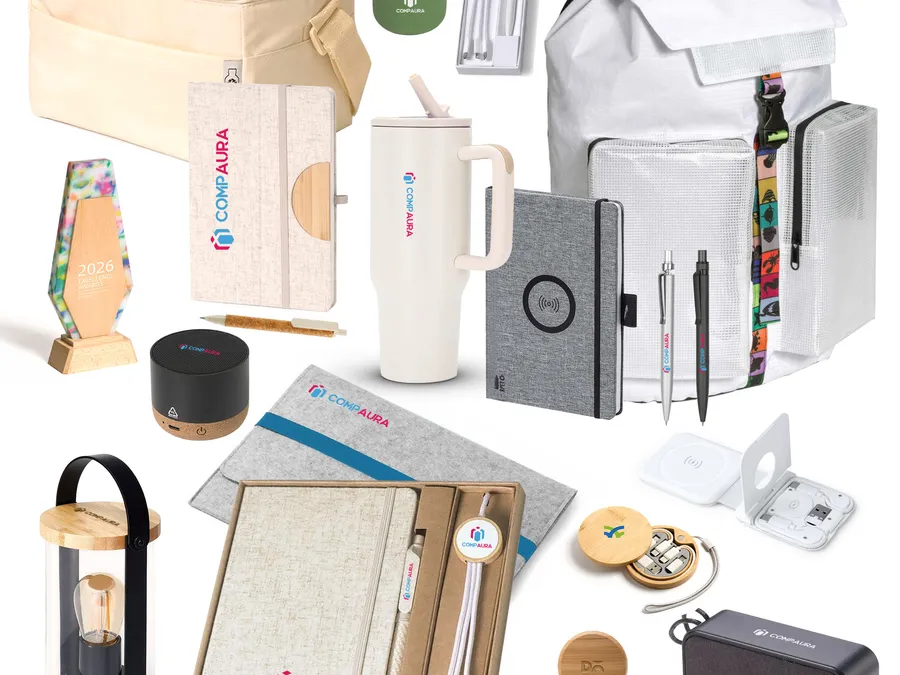
Business Gift Sets
Business gift sets and opening ceremony gifts with your logo — complete branded sets for corporate launches, anniversaries and holiday gifting.
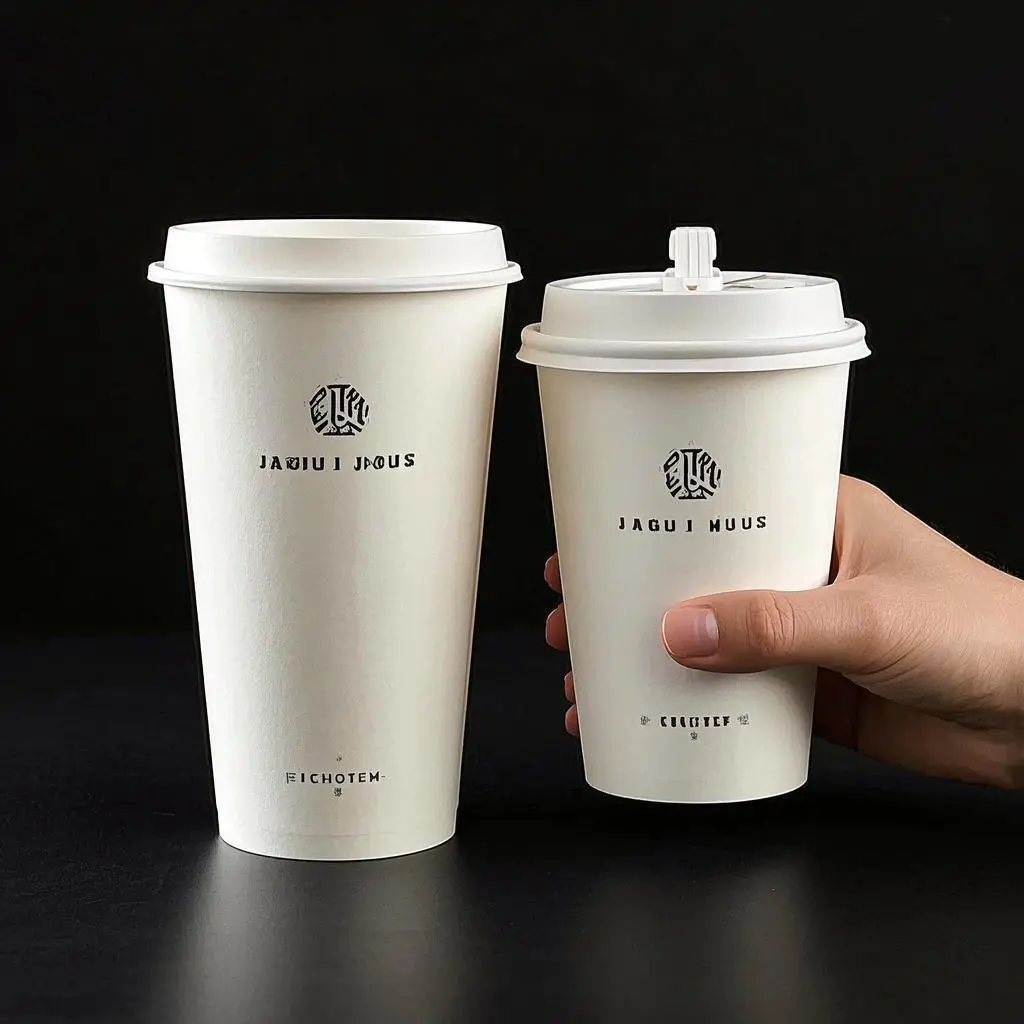
Custom Printed Coffee Cups | Branded Paper Cups with Logo
Custom printed coffee cups with your logo from just 1 piece—food-grade, hot/cold ready, free layout design and fast samples in 1-3 days.
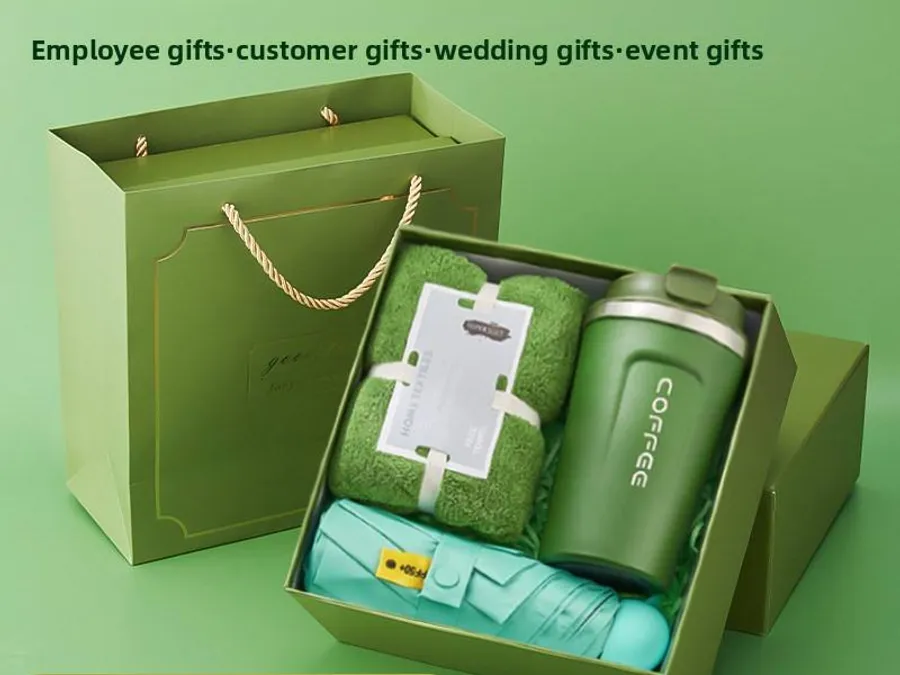
Corporate Gifts
Corporate gifts custom-made with your logo — USB drives, nail clipper sets, notebooks, mugs and more. One-stop corporate gift sourcing with low MOQ.