Custom Tape Measures Manufacturer – Laser Engraved or Label Branded, CE MID Class I, 1 pc MOQ
Custom tape measures from 3 m x 16 mm to 10 m x 25 mm with laser engraving or full-colour label branding, dual metric-imperial blades and CE MID Class I accuracy.
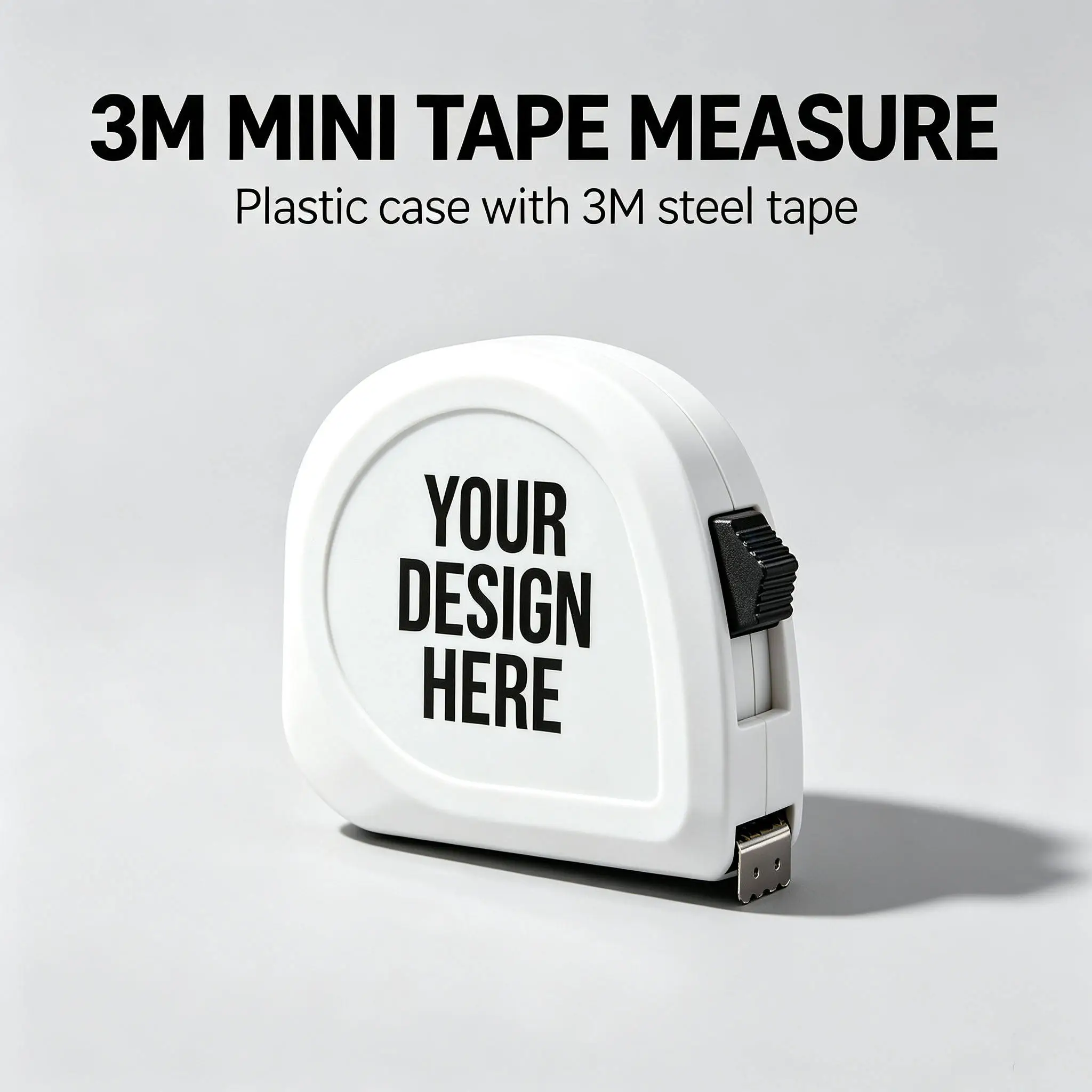
Custom Tape Measures with Your Logo — Engraved or Label Branded
Yichi is a custom tape measure manufacturer in Zhejiang, China, producing branded measuring tapes from 3 m x 16 mm pocket formats up to 10 m x 25 mm engineer’s tapes — ABS and over-moulded rubberised cases, carbonised steel blades with nylon coating, dual metric and imperial printing, self-lock, fluorescent and auto-retract versions. Branding goes on by laser engraving into the case or by full-colour adhesive label across the case face. Send a logo, an address, a telephone number or a QR code and we return a free effect preview before production. A one-piece minimum, samples in 1-3 days and production in 2-10 days apply across the range.
A tape measure is the most quietly useful object in a promotional catalogue. It is kept because it works, and it works because of two specifications that are almost never discussed on a product page: how far the blade stands out before it folds, and what accuracy class it is made to. Get those wrong and the tape goes in a drawer; get them right and it is still being used years later, which is the entire commercial case for branding one.
Blade Length and Width: Reading the Spec Code
Every tape in the range is described by two figures — length first, width second. Both matter, and they matter for different reasons.
Length sets the reach. A 3 m blade handles a worktop, a doorway, a garment and a parcel; a 5 m blade handles a room; a 7.5 m or 10 m blade handles a site, a plot or a span that one person cannot walk. Buying more length than the task needs costs little but adds case size and weight, so the practical choice is the shortest blade that covers the longest measurement the user will take unaided.
Width sets the standout, and standout is the specification that decides whether a tape can be used alone. A wide blade is stiffer, so it projects further before it folds over; a narrow blade folds earlier but fits into a pocket and into tight recesses. This is why the range is not simply sold by length: a 5 m x 25 mm blade is a different tool from a 5 m x 19 mm blade even though the length is identical.
Formats produced. 3 m x 16 mm, 5 m x 19 mm, 5 m x 25 mm, 7.5 m x 25 mm, 8 m x 25 mm and 10 m x 25 mm on the engineered ranges, and 7 m x 25 mm on the classic ABS range. The pocket formats run to 150 cm with dual centimetre and inch printing, supplied with a fibreglass core and an auto-retract button.
Case size follows the blade. A 5 m engineer’s tape in a protective case measures around 55 x 50 x 27 mm — the figure that decides whether the tape fits a pocket, a tool belt pouch or a glovebox, and therefore whether it gets carried.
Accuracy Class and What CE MID Class I Means
Tape measures are measuring instruments, and in regulated markets the accuracy class is not a marketing claim but a grade.
National Class II. The standard grade across the general range. Suitable for everyday measuring, ordering and estimating, and the grade most promotional tapes are produced to.
CE (MID) Class I. The tighter European grade, produced on the engineered ranges. This is the class that satisfies regulatory requirements for trade use in markets where measuring instruments fall under metrological control — a tape carrying it can be used where a measurement has commercial or legal consequence, not just where it is convenient.
How the class is demonstrated. Blades are checked against a reference, and the order can be supplied with inspection reports and a metrology conformity certificate. For a distributor selling into a regulated market this paperwork is the difference between a promotional item and a saleable instrument, and it is worth asking for at quotation rather than after delivery.
Why it matters on a branded tape. A tape given away with a logo is often trusted more than its price implies. If it is used to check a fitting that then does not fit, the brand on the case is what the user remembers. Specifying the accuracy class is the cheap way to avoid that.
Standout: How Far the Blade Holds Before It Bends
Standout is quoted in metres and describes how far the blade projects horizontally before it collapses under its own weight. It is the number that decides whether a tape is a one-person tool.
The range figures. Blades in the engineered ranges hold a standout of up to 2.8 m, and the classic ABS range holds up to 2.4 m. In practice a 2.8 m standout means a single user can measure across a doorway, a window opening or a bay without a second pair of hands, which is exactly the task a promotional tape gets used for.
What produces standout. Two things: blade width, and the blade’s own construction. The engineered blades use a carbonised steel body with a nylon coating, and the coating is not decorative — the nylon layer adds stiffness, protects the printed scale from abrasion and reduces the chance of the blade kinking at a fold. A kinked blade is the failure mode that ends a tape’s life, and it happens where the blade has been folded repeatedly at the same point.
Blade printing and edge bonding. The scale is bonded to the blade along a laser-bonded, gridded edge rather than simply printed on the surface, which is what stops the coating lifting at the edges and the printed figures wearing away at the most-used section of the blade — almost always the first metre.
Lock, Auto-Retract and the Features That Get Used
One-button lock. A single slider locks the blade at any extended length and releases it to retract. This is the mechanism on the self-lock and engineer’s formats, and the reason a tape can be used for a measurement that has to be transferred — the blade stays out while both hands are free.
Auto-retract button. On the pocket formats a button retracts the blade rather than a slider holding it, which suits a tape that is used for quick garment or parcel measurements rather than for setting out work.
Blade hook. A reinforced alloy hook, riveted rather than pressed, is what stops a hook working loose after a few thousand pulls — the second most common failure on a cheap tape after a kinked blade. Hooks are riveted on the engineered ranges.
Fluorescent blade and case. Fluorescent formats carry a coated blade that stays readable in poor light, with a matching case. These are the tapes used in plant rooms, lofts, service voids and site conditions where a standard blade under a torch is hard to read — a practical differentiator on a branded tool rather than a cosmetic one.
Carrying details. Stainless steel belt clips and nylon lanyards on the professional formats, which is what makes the difference between a tape that is on the user when it is needed and one that is in a toolbox.
Case construction. ABS cases on the standard range and over-moulded rubberised cases on the engineer’s formats, where the rubber absorbs impact at the corners. On a tape that will be dropped, the case is the part that fails first.
Blade Marking: Metric, Imperial or Dual Scale
Dual scale. Centimetres along one edge and inches along the other, on the same blade. This is the format produced for markets where both systems are in everyday use, and it is the version that covers a garment measurement, a furniture check and a screen size without a second tape.
Metric only. Centimetres along both edges, with the longer formats graduating to millimetres at the start of the blade where precision work happens.
Imperial only. Inches with the standard fractional graduations.
Unit-specific print. Because the blade scale is printed rather than engraved, the unit system is set at the printing stage, so a mixed order can carry metric blades for one market and dual-scale blades for another within the same case colour and branding programme. It is worth deciding this at quotation, because blade printing is fixed once the run starts.
Branding a Tape Measure: Laser Engraving or Adhesive Label
Laser engraving. Applied to the case and to the belt clip. The mark is cut into the material, so it does not lift, fade or peel and it survives the handling that a tool receives — which makes it the right route for a logo on a tape that will be carried daily. It reads as a tone change in the case colour rather than as a printed colour.
Adhesive label. Full-colour printing on a vinyl label applied to the case. This is the route for a multicolour logo, a photograph, a gradient or a QR code, and for structured promotional artwork that puts a logo, a campaign line, an address, a telephone number and a website on one face. The labels are printed with a strong adhesive and resist lifting at the edges.
Combined branding. The most common commercial arrangement, and the one worth recommending: the logo engraved into the case as the permanent mark, with a printed label carrying the variable information — address, telephone number, campaign line, QR code. The engraving survives; the label carries the message; and when the campaign changes only the label changes.
Blade branding. Where the artwork is intended to be seen during use rather than on the shelf, the case face and the belt clip are the two surfaces with enough flat area for a legible mark, and the blade itself is normally reserved for the measuring scale.
Custom case colour. Case colour is set at the moulding or coating stage, so a branded programme can specify a case colour to match an identity rather than accepting a stock colour. Colour options include the pastel four-colour range used on the softer promotional formats.
Specifications
| Item | Detail |
|---|---|
| Blade lengths and widths | 3 m x 16 mm; 5 m x 19 mm; 5 m x 25 mm; 7 m x 25 mm; 7.5 m x 25 mm; 8 m x 25 mm; 10 m x 25 mm; pocket format 150 cm / 60 in |
| Blade construction | Carbonised steel with nylon coating (engineered ranges); PVC-coated fibreglass core (pocket formats) |
| Blade printing | Laser-bonded, gridded edge bonding; metric, imperial or dual scale |
| Accuracy | National Class II on the standard range; CE (MID) Class I on the engineered range; inspection reports and metrology conformity certificate available |
| Standout | Up to 2.8 m on the engineered ranges; up to 2.4 m on the classic ABS range |
| Case materials | Engineering-grade ABS; over-moulded rubberised case on the engineer’s formats |
| Case dimensions | Approx. 55 x 50 x 27 mm on the 5 m engineer’s tape |
| Lock mechanism | One-button slider lock on self-lock and engineer’s formats; auto-retract button on pocket formats |
| Hook | Reinforced alloy hook, riveted |
| Carrying details | Stainless steel belt clip; nylon lanyard |
| Fluorescent versions | Coated blade readable in low light, with matching case |
| Colours | Case colour set at production; pastel four-colour range on promotional formats; classic yellow blade on the ABS range |
| Certification | ISO 9001:2015 quality system (certified 2014); CE (MID) Class I accuracy (certified 2016); inspection reports and metrology conformity certificate |
| Marking routes | Laser engraving on case and belt clip; full-colour adhesive label; combined |
| MOQ | 1 pc |
| Sample time | 1-3 days |
| Production time | 2-10 days |
Artwork Requirements
Vector for engraving. AI, PDF, EPS or CDR with text converted to curves. The laser path is generated from the outline, so a raster logo has to be traced first and will not hold its original fidelity.
Full-colour artwork for labels. AI, PDF, EPS or CDR preferred; a high-resolution JPG or PNG is accepted where vector is not available. Send the larger file rather than the smaller one — label artwork is reproduced at small sizes, and fine details that look clear on screen at full size can close up at 20 mm across.
QR codes. Send as vector and keep a clear margin around the code. A code printed small on a curved case face is the most common reason a scan fails, so give the code as much of the label as the layout can spare.
Text and variable data. Addresses, telephone numbers, campaign lines and QR codes are all reproduced exactly as supplied, so send them as a plain list and check them before the file goes to print. Where a label carries a long telephone number and an address, the layout should be confirmed on the preview rather than after printing.
Colour. Engraving produces a tone change in the case material rather than a printed colour, so an engraved mark will not match a Pantone reference exactly. Printed labels are matched within the trade tolerance of about 10% colour difference from a screen reference; where a brand colour is critical, send the reference or a Pantone number.
Measurement. Case dimensions and blade lengths are nominally specified and hand-measured, so a small variation between units is normal. Blade length is accurate to the blade’s accuracy class rather than to a nominal figure.
Preview. A free effect preview is issued before production and production does not begin until it has been confirmed.
Where Branded Tape Measures Get Used
Hardware brands and distributors. Branded tapes as part of a tool range, where the accuracy class and the certification paperwork matter as much as the case colour, and where the branding routes to engraving on the case and a printed label on the back.
Promotional and advertising campaigns. Tapes as a practical giveaway at trade shows, open days and channel events, usually with a QR code or a campaign line on a full-colour label — the format that gets kept because the tool is useful.
Real estate, construction and trades. Engineer’s and rubberised-case formats in 5 m and 7.5 m, branded with a company name, a telephone number and a licence or registration number, used as an everyday working tool and as advertising simultaneously.
Interior, furniture and fitting businesses. Longer formats where the standout figure matters, branded for a showroom or a fitting team — the tape that measures the room the customer is standing in.
Textile, tailoring and fashion. Dual-scale pocket formats and 150 cm tapes with centimetre and inch printing, used for garment, body and fabric measurement, frequently branded for a studio or a retail chain.
Internal company use. Tapes issued to staff as branded equipment, which is the simplest form of the product: a useful tool with a company mark on it, bought in bulk and handed out rather than sold.
Retail and channel programmes. Case colour and label artwork matched across a range of promotional items so a tape sits inside a branded kit alongside other desk and tool items.
How an Order Runs
- Send the brief. The measuring task, the blade length and width you have in mind, the market the tape is going to and the quantity.
- Confirm the route. We will recommend the blade length, width, standout, case material and accuracy class against the way the tape will actually be used, then confirm the branding method.
- Artwork and preview. Send a vector logo for engraving, or full-colour artwork for a label, with the address, telephone number or QR code if those are part of the label. A free effect preview follows.
- Sample. A one-piece sample runs in 1-3 days — the stage to check the standout of the blade, the feel of the lock and how the label sits on the case.
- Production. Bulk production runs in 2-10 days from confirmed artwork, with blades printed, cases branded and labels applied before packing.
- Shipping and invoice. Export packing and documentation are arranged to the destination, with inspection reports and the conformity certificate where the order requires them; a formal invoice is available on request.
Ready to see your logo on a tape measure? Request a Quote with the blade length and width you need, your market and your artwork, and we will return a free effect preview together with a recommendation on the accuracy class and standout for the task.
Why Order From Yichi
Accuracy class stated up front. Class II on the standard range and CE (MID) Class I on the engineered range, with inspection reports and a conformity certificate available — because a measuring instrument sold into a regulated market needs the paperwork, not just the logo.
Standout quoted, not assumed. Up to 2.8 m on the engineered blades and 2.4 m on the classic range, so a buyer can specify a tape that one person can actually use unaided on the span they are measuring.
Engraving and label branding together. A permanent engraved mark for the logo and a full-colour label for the address, telephone number and QR code — a combination that keeps the branding intact when the campaign changes.
A one-piece minimum. One branded tape is enough to check the case finish, the blade print and the weight of the engraved mark before a programme is placed.
Certified quality system behind the product. ISO 9001:2015 certification since 2014, with blade inspection and metrology verification carried through to the finished tape rather than stopping at the assembly stage.
Browse the rest of the promotional gifts range, or send the measuring task and we will recommend blade length, width and accuracy class.
Frequently Asked Questions
What is the MOQ for custom tape measures?
What does the blade code, such as 5 m x 25 mm, actually tell me?
What accuracy class are the tapes?
Can the blade be printed in both metric and imperial?
Which branding method should I choose?
Can I order a small quantity to test the market?
You May Also Need
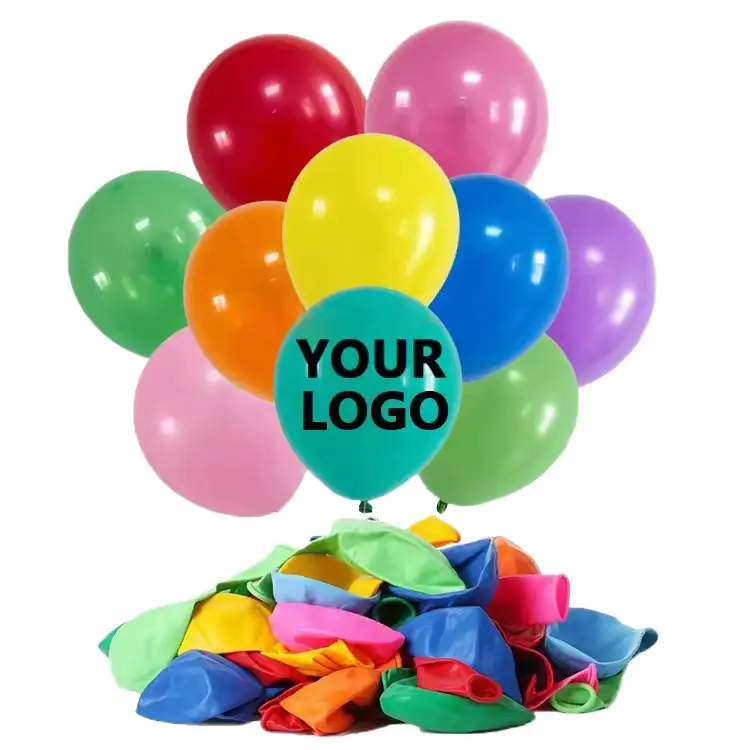
Custom Printed Balloons – Free Design & Bulk
Custom printed balloons with free design & 1-on-1 support. MOQ of just 1. Silk-screen logo printing on 230 colors. CE-certified quality for promotions & events
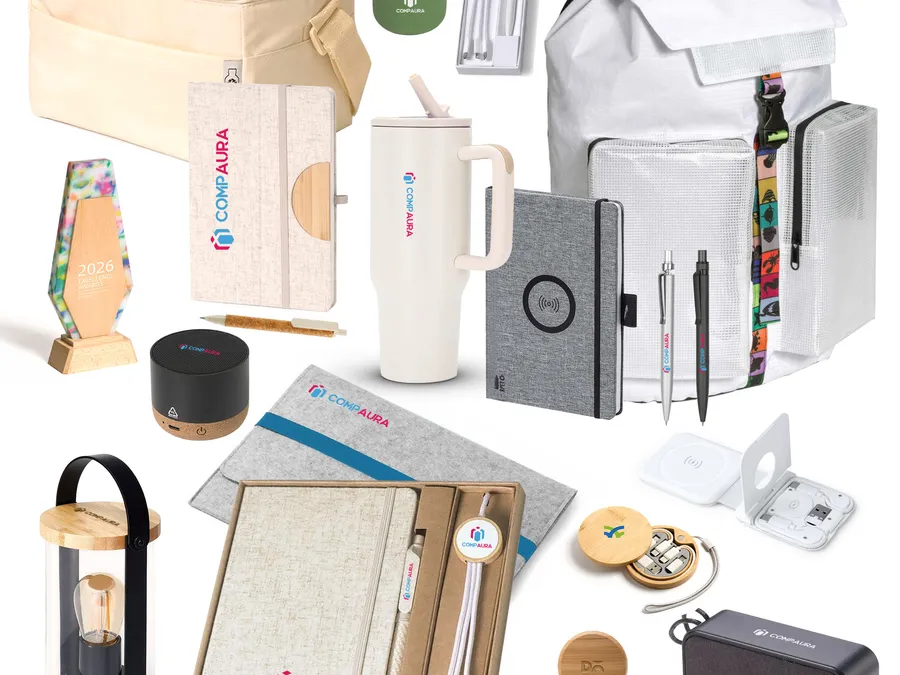
Business Gift Sets
Business gift sets and opening ceremony gifts with your logo — complete branded sets for corporate launches, anniversaries and holiday gifting.
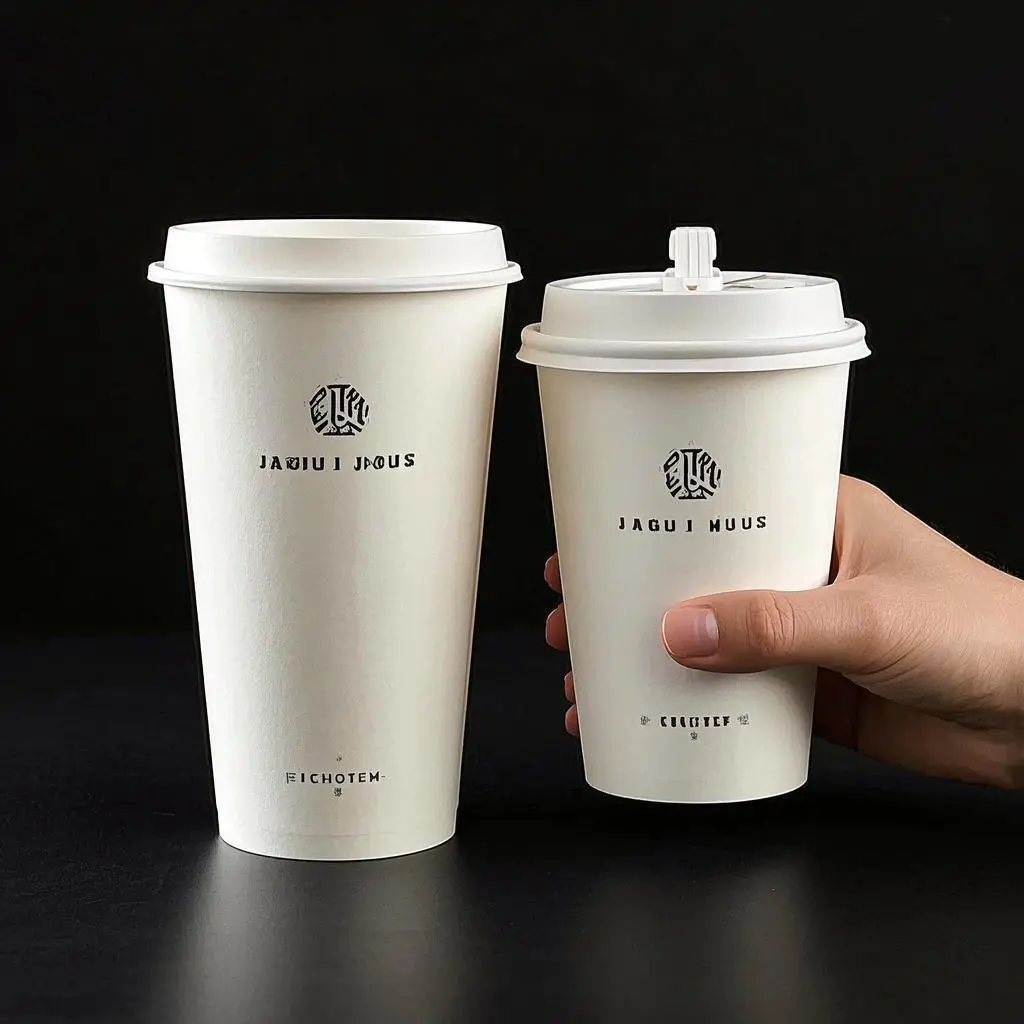
Custom Printed Coffee Cups | Branded Paper Cups with Logo
Custom printed coffee cups with your logo from just 1 piece—food-grade, hot/cold ready, free layout design and fast samples in 1-3 days.
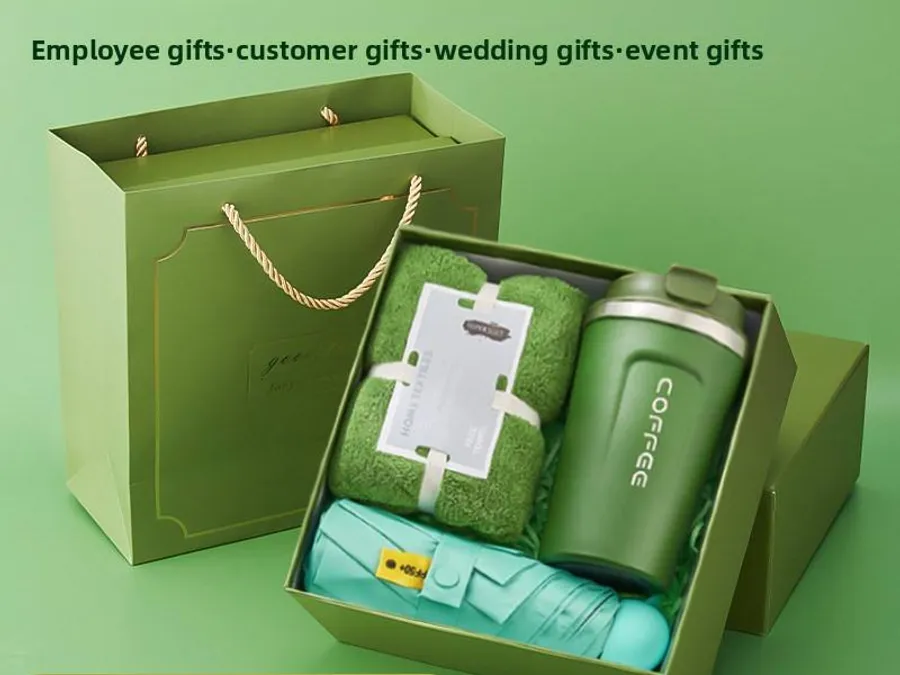
Corporate Gifts
Corporate gifts custom-made with your logo — USB drives, nail clipper sets, notebooks, mugs and more. One-stop corporate gift sourcing with low MOQ.