Custom Utility Knives Manufacturer – Laser Engraved Names & Logos, Alloy Body, 1 pc MOQ
Custom utility knives with laser engraved names or logos — 30° and 25° blades, SK5 and 75# carbon steel, auto-lock and auto-retract bodies. 1 pc MOQ, free proof.
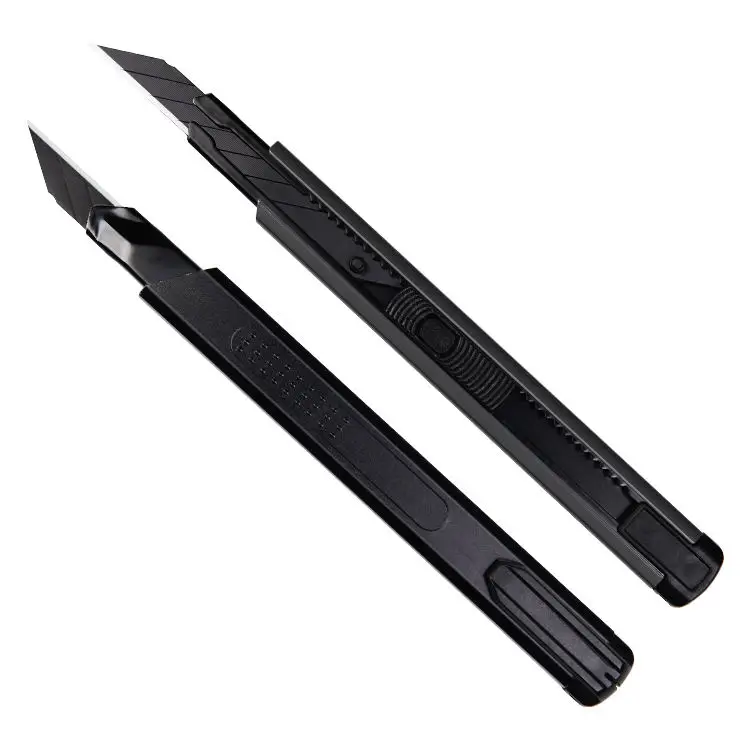
Custom Utility Knives with Your Logo — Engraved Blades & Bodies
Yichi is a custom utility knife manufacturer in Zhejiang, China, producing engraved craft knives, pocket knives and box cutters — aluminium and ABS bodies, 30° and 25° blades in SK5 alloy steel, 75# carbon steel and Teflon-coated steel, with auto-retract, auto-lock and snap-off mechanisms. Names, logos and short campaign lines are laser engraved into the body; print is available where the artwork is full-colour. Send a name list, a logo file or a campaign line and we return a free effect preview before production. A one-piece minimum, samples in 1-3 days and production in 2-10 days apply across the range.
A knife is given away, used daily and kept — which is a rarer combination in promotional goods than it sounds. It is also the one item on this list where the specification genuinely matters: a knife with the wrong blade angle is not a branding problem, it is a tool that does not do the job it was bought for. The two decisions that decide that are the blade angle and the blade steel, so the page starts there rather than with colour.
Blade Angle: 30° and 25°, and What Each Cuts
The angle at the point is the specification that matches a knife to a task, and the range is produced at two of them.
30° — the general-purpose angle. Used on the standard utility and snap-off knives in the range. A blunter point is stronger at the tip, which is what a blade needs when it is opening cartons, cutting wallpaper, trimming film or slicing through a roll of packing tape: the edge takes repeated contact with abrasive material. It is also the angle that survives being used on a bench where a blade is pressed down as well as drawn.
25° — the fine-point angle. Used on the craft and engraving knives. A sharper point enters material accurately rather than pushing it, which is the requirement in paper craft, sticker and journal work, model making, rubber-stamp carving and detail cutting where a cut has to stop where the design says it stops. The trade-off is a finer edge that dulls sooner against abrasive material, which is why these formats are sold with spare blades.
What each is used for on the range. The 30° aluminium knives cover paper trimming, wallpaper, general household cutting, wrapping film, wood carving, model work, plastic cutting and parcel opening — the tasks where the cut is fast and the material is not delicate. The 25° craft knives cover the finer end: paper craft, journal and sticker work, cutting small parts and any application where the tip has to be placed rather than swept.
Snap-off segments. The snap-off formats are supplied with segmented blades so a dulled segment can be broken off with the tail breaker on the body, restoring a fresh point without changing the blade. This is the detail that makes a knife last in a workshop rather than weeks.
Cutting mat sets. The craft knives are also supplied as a set with an A4 cutting mat at 30 x 22 cm — a printed-scale mat that doubles as a work mat, a writing mat and a mouse mat. It is the format ordered where the knife is bought as part of a complete studio or desk kit rather than on its own, and the mat is the part that saves the desk underneath the cutting.
Blade Steel: SK5, 75# Carbon and Teflon-Coated
Three blade materials are produced, and each answers a different requirement.
SK5 alloy steel. The standard blade steel across the range, including the 9 mm snap-off knives with seven segments and the 10-piece replacement packs. SK5 is a tool steel that accepts a hard edge and holds it — the reason it is the default where a blade has to cut repeatedly without being changed.
75# carbon steel, blackened. Used on the black-blade knives produced at a 30° point. The blade goes through a blackening treatment after grinding, and the black surface is the visible result of it: a chemically treated layer that resists corrosion and reduces reflection, which is why a black blade is chosen on cutting tasks where glare from a bright edge is a nuisance.
Teflon-coated blades. Used on the coated formats. The low-friction coating is there to reduce the pull of the blade through sticky or fibrous material — adhesive-backed paper, tape, cling film — where an uncoated edge drags.
Body treatment. Where the body is steel rather than aluminium it goes through the same blackening route for corrosion resistance, with a heat-treated surface layer. On aluminium bodies the equivalent is anodising: colour is grown into the surface layer rather than painted on top of it, so the finish resists chipping and does not flake at the edges. Blades are always harder than the body by design, which is why replacement blades are a normal part of owning a knife rather than a fault.
Replacement and supply. Replacement blades are available in packs across the formats — including 9 mm segmented blades and 18 mm blades — and the 25° craft knives are commonly supplied with a small starter set of spare blades.
Auto-Retract, Auto-Lock and Snap-Off
The mechanism decides how a knife behaves in the hand, and it should be chosen against the environment it will be used in.
Auto-retract. The blade travels back into the body as soon as the slider is released, so the edge is never left standing out on a bench. This is the format specified for classroom, studio and shared-workspace use, and the one used for giveaway knives where the recipient may not be a regular tool user. The trade-off is that the blade cannot be locked out for a long continuous cut.
Auto-lock. The slider locks when the blade is pushed out, holding it in position under load. The indexed versions click into a set number of positions so the exposed length can be repeated; the friction versions hold wherever they are set. This is the mechanism on the working utility knives used in warehouses, print rooms and workshops.
Snap-off with a tail breaker. The blade is scored into segments, and the tail of the body carries a breaker so a used segment can be snapped off by hand. The knife keeps a sharp point through a long session without a blade change, which is the format used where cutting is continuous.
Fixed blade with a cap. The pocket and craft knives are supplied with a cap over the blade rather than a retracting mechanism. This is the format used where the knife lives in a pocket or a pencil case, and the cap is the safety feature rather than the mechanism.
Body construction. Behind the mechanism, the details that decide whether a knife still feels solid after a year are the ones worth checking: a cross double collet rather than a single clamp so the blade sits tightly and does not rock, a multi-turn screw head so the body can be tightened as it wears, and a full aluminium handle so the load is carried by metal rather than by plastic. A diamond-grid grip pattern keeps the body from turning in the hand, and a lanyard hole lets the knife be hung rather than left loose in a drawer.
Aluminium, ABS and Anodised Colour
Full aluminium bodies. The core of the range, used on the utility knives and the craft knives. The body is machined or formed in one piece — some formats are assembled with screws and can be taken apart for cleaning or a blade change — and it carries the engraving. Colours include red, orange, silver, purple, green, blue and black, applied by anodising where the finish has to hold up to handling.
Aluminium with an ABS section. Used on the mini and pocket formats where the body combines a metal frame with a moulded polymer section. These are the lightest knives in the range, produced in soft pink, light blue and white, and they are the formats most often specified as giveaway items.
Steel bodies. Used on the heavier snap-off and black-blade formats, hardened and blackened for corrosion resistance.
Body sizes. The range runs from the pocket formats at around 60 x 40 mm up to the 145 mm utility bodies; the craft knives are supplied at a 14 cm overall length. Blade formats include 9 mm, 18 mm and the 86 x 9 x 0.4 mm replacement blade used in the aluminium utility knives.
Format and pack options. Pocket formats are supplied as single, two-piece and three-piece packs; the aluminium utility knives are supplied as four-piece packs. Pack configuration matters commercially because it changes the unit cost of a giveaway and because a multi-pack reads as a set rather than as a single item.
Engraving a Name, a Logo or a Campaign Line
Engraving is the primary marking route because it does not wear, and on a knife the mark is often the point of the purchase.
Names and initials. The common order from schools, studios and clubs — a class year, a name, a set of initials — engraved on the handle so the knife is identifiable. Because a name is engraved rather than printed, it does not rub off with use, which is the property that makes it worth specifying on an item that will live in a pencil case for years.
Logos. Laser engraved on the body, either as a mark on the flat of the handle or as a smaller mark near the base. On aluminium the engraving reads as a tone change in the anodised surface; on ABS it reads as a cut-away into the polymer.
Campaign lines and contact details. Short lines of text — a campaign message, a company name, an address, a telephone number — engraved on the body where the surface allows, or printed on the packaging where the artwork will not fit an engraving area.
Font choice. Standard engraving fonts are available and specified at order, with a plain sans-serif as the default. Horizontal engraving is standard, vertical engraving is available on request, and the lettering appears as a tone change rather than a colour because material is removed rather than added.
Printed marking. Where the artwork is full-colour — a multicolour logo, a photograph, a printed pattern — the route is silk screen or pad print on the body, or a printed card and printed packaging for the volume giveaway formats.
Specifications
| Item | Detail |
|---|---|
| Blade angles | 30° general purpose; 25° fine point |
| Blade materials | SK5 alloy steel; 75# carbon steel, blackened; Teflon-coated steel |
| Blade formats | 9 mm snap-off with 7 segments; 18 mm; 86 x 9 x 0.4 mm replacement blade; 72 x 9 x 0.38 mm and 80 x 9 x 0.4 mm black blades; 10-piece replacement packs |
| Body materials | Full aluminium; aluminium with ABS section; hardened blackened steel; ABS resin frames on pocket formats |
| Handle finishes | Anodised colour: red, orange, silver, purple, green, blue, black; blackened steel; powder or paint finish on steel bodies |
| Body dimensions | 145 x 20 x 5 mm aluminium utility body (145 mm excluding blade); 14 cm overall on the craft knives; approx. 60 x 40 mm on the pocket formats |
| Grip and construction | Diamond-grid anti-slip pattern; cross double collet blade clamp; multi-turn screw head; lanyard hole |
| Mechanisms | Auto-retract; auto-lock (indexed and friction); snap-off with tail breaker; fixed blade with cap |
| Safety details | Auto-retract on classroom formats; cap on pocket formats; auto-lock holds the blade under load |
| Spare blades | Supplied in packs; starter sets of 5 spare blades with the craft knives |
| Cutting mat (set option) | A4, 30 x 22 cm with printed scale; doubles as a writing mat and mouse mat |
| Pack options | Single, 2-piece and 3-piece pocket packs; 4-piece aluminium utility packs |
| Marking routes | Laser engraving on body (default); silk screen or pad print for full-colour artwork; printed packaging |
| Engraving capacity | Short text, names, initials, logos; around 4 characters on the small pocket formats, up to 8 on the larger bodies |
| Engraving direction | Horizontal as standard, vertical on request; default sans-serif face |
| Tolerances | Hand-measured, approx. 1 mm on body dimensions |
| MOQ | 1 pc |
| Sample time | 1-3 days |
| Production time | 2-10 days |
Artwork and Engraving Limits
Vector for logos and lettering. AI, PDF, EPS or CDR with text converted to curves. Vector artwork is required for engraving because the laser path is generated from the outline; a raster logo has to be traced first, and a traced logo will not hold the fidelity of a drawn one.
Text as text. If a name list is being engraved, send it as a plain list — one name per line — and confirm which font and whether the engraving runs horizontally or vertically. Spelling is copied exactly as supplied, so it is worth checking the list before it is sent.
Engraving area. Area is the binding constraint on a knife: a slim handle has a small flat face, so the practical capacity is a short mark. If the artwork is larger than the flat area, the options are to reduce it, to place it on the packaging instead, or to move to a larger body format.
Colour. Engraving produces a tone change rather than a printed colour, so an engraved mark will not match a Pantone reference — it appears as a lighter or darker version of the body finish. Where colour matching is essential, the route is a printed mark rather than an engraved one.
Measurement. Blades and bodies are hand-measured and carry a small tolerance, around 1 mm on body dimensions. Blade thickness figures are nominal.
Preview. A free effect preview is produced before production, showing the mark and its position, and production does not begin until it has been confirmed.
Where Branded Knives Get Used
Schools, colleges and studios. Engraved craft knives as part of an art or design kit, with the student name or the class year on the handle, usually in the auto-retract or capped formats.
Corporate and staff gifts. Engraved utility knives given as a practical desk-and-workshop item, often with the company name on the body and a name added for a personal gift.
Warehouses, print rooms and mailrooms. Snap-off and auto-lock utility knives, usually unbranded or with a small mark, where the requirement is a blade that keeps cutting through a shift.
Trade shows and promotional giveaways. Pocket and mini formats in the three-piece packs, where the knife is a low-cost item that is kept rather than discarded — the reason it works as a giveaway at all.
Craft, hobby and stationery retail. Engraved 25° craft knives sold as branded tools or included in a journal and sticker set, where the knife is part of a kit rather than a standalone product.
Clubs, societies and membership packs. Engraved knives issued with a society mark or a membership year, which is a practical use of an object that is carried regularly.
Hobby, model and leatherworking. Fine-point craft knives and replacement blade packs, frequently bought in quantity by the workshop rather than as a single item.
How an Order Runs
- Send the brief. The task the knife has to do, the format you have in mind, the quantity and whether the marking is a name, a logo or a line of text.
- Confirm the route. We will recommend the blade angle, the blade steel and the mechanism against the way the knife will be used, then confirm the body and finish.
- Artwork or name list and preview. Send a vector file or a plain list of names. A free effect preview follows, showing the mark and its position on the body.
- Sample. A one-piece sample runs in 1-3 days — the stage to check the engraving weight, the mechanism and how the body feels in the hand.
- Production. Bulk production runs in 2-10 days from confirmed artwork, with blades and spare packs assembled into the pack configuration ordered.
- Shipping and invoice. Export packing and documentation are arranged to the destination; a formal invoice is available on request.
Ready to see a name or a logo engraved on a knife? Request a Quote with the pack configuration, quantity and your name list or logo file, and we will return a free effect preview together with a blade-angle recommendation for the task.
Why Order From Yichi
Blade angle and steel specified. The range is quoted by what each blade actually cuts rather than by body colour, because a knife is bought to do a job and the wrong angle is the one fault that cannot be fixed afterwards.
Three mechanisms from one supplier. Auto-retract, auto-lock and snap-off, so a classroom-safe format and a workshop format can be ordered as one programme with a consistent engraving standard.
Engraving rather than printing. Names, initials and logos are cut into the body, so a mark that has to survive years in a pencil case does survive it.
A one-piece minimum. One engraved unit is enough to judge the weight of the mark and the position on the handle before a class set or a staff programme is placed.
Spare blades and packs as standard. Replacement blades are part of the range rather than an afterthought, and pack configurations are set to suit the way the knives will actually be handed out.
Browse the rest of the promotional gifts range, or tell us the cutting task and we will recommend the angle, steel and mechanism.
Frequently Asked Questions
What is the MOQ for custom utility knives?
What can be engraved on a knife body?
What blade angles are available, and does the angle matter?
Can I choose the font?
Are the knives safe to use in schools?
Are engraved knives returnable?
You May Also Need
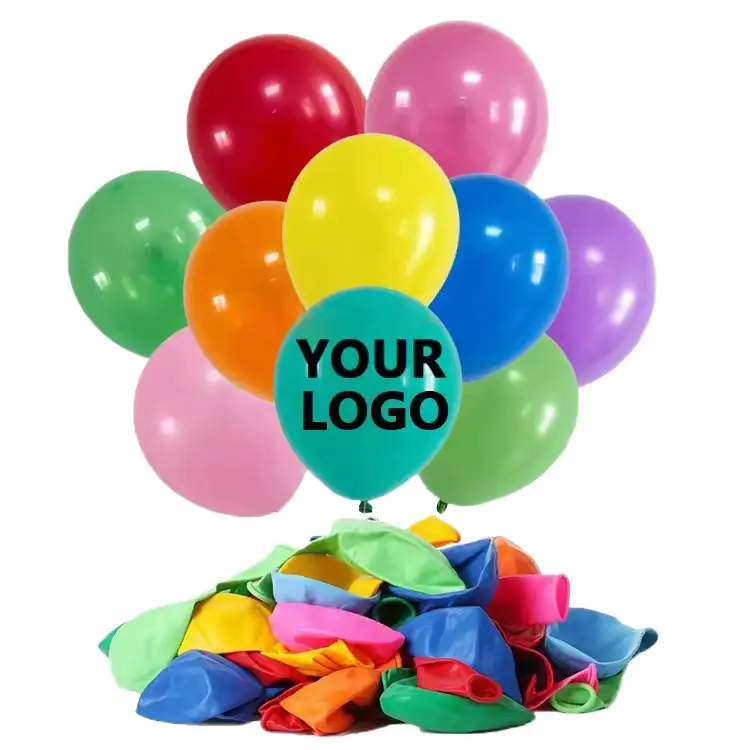
Custom Printed Balloons – Free Design & Bulk
Custom printed balloons with free design & 1-on-1 support. MOQ of just 1. Silk-screen logo printing on 230 colors. CE-certified quality for promotions & events
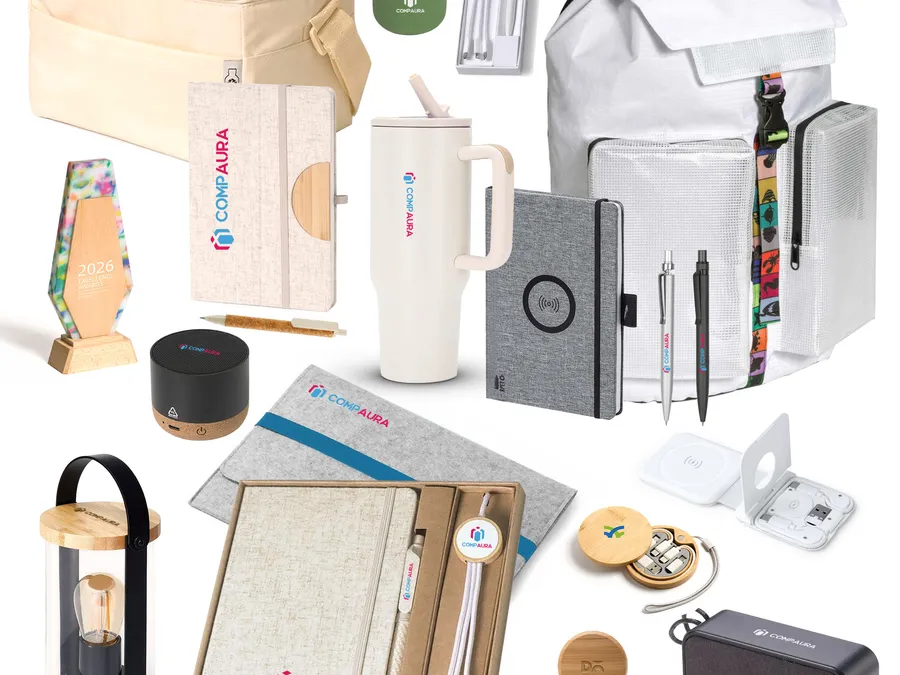
Business Gift Sets
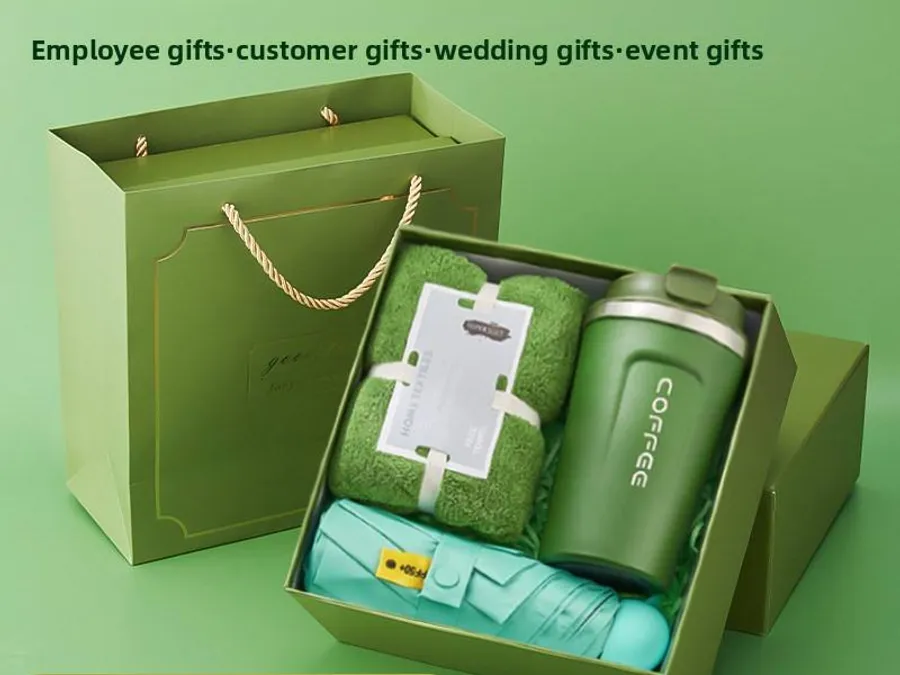
Business gift sets and opening ceremony gifts with your logo — complete branded sets for corporate launches, anniversaries and holiday gifting.
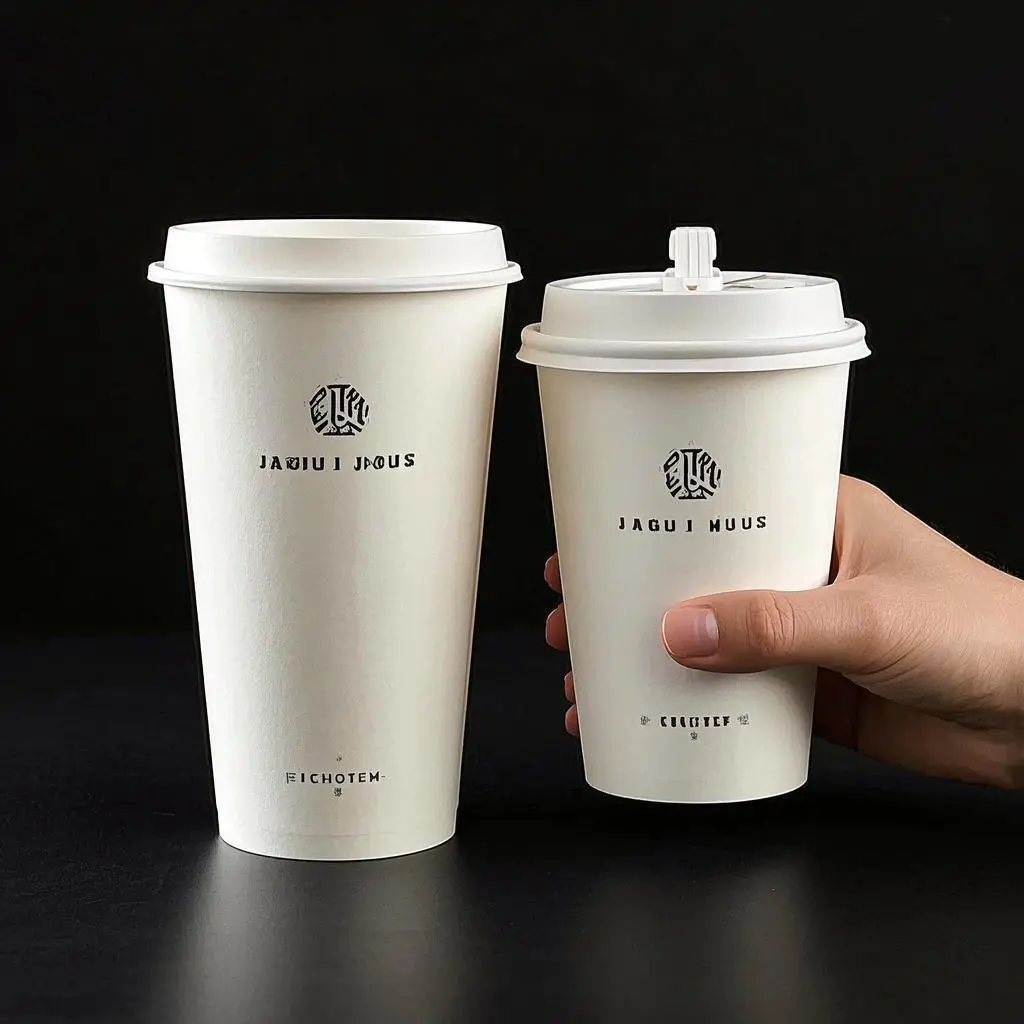
Custom Printed Coffee Cups | Branded Paper Cups with Logo
Custom printed coffee cups with your logo from just 1 piece—food-grade, hot/cold ready, free layout design and fast samples in 1-3 days.
Corporate Gifts
Corporate gifts custom-made with your logo — USB drives, nail clipper sets, notebooks, mugs and more. One-stop corporate gift sourcing with low MOQ.