Custom Wooden Lamp Manufacturer – Laser-Cut Layered Night Lights with City & Logo Design, 1 pc MOQ
Custom wooden lamps laser-cut in layered plywood and acrylic: city landmark night lights with warm LED light, rechargeable or plug-in. 1 pc MOQ, free proof.
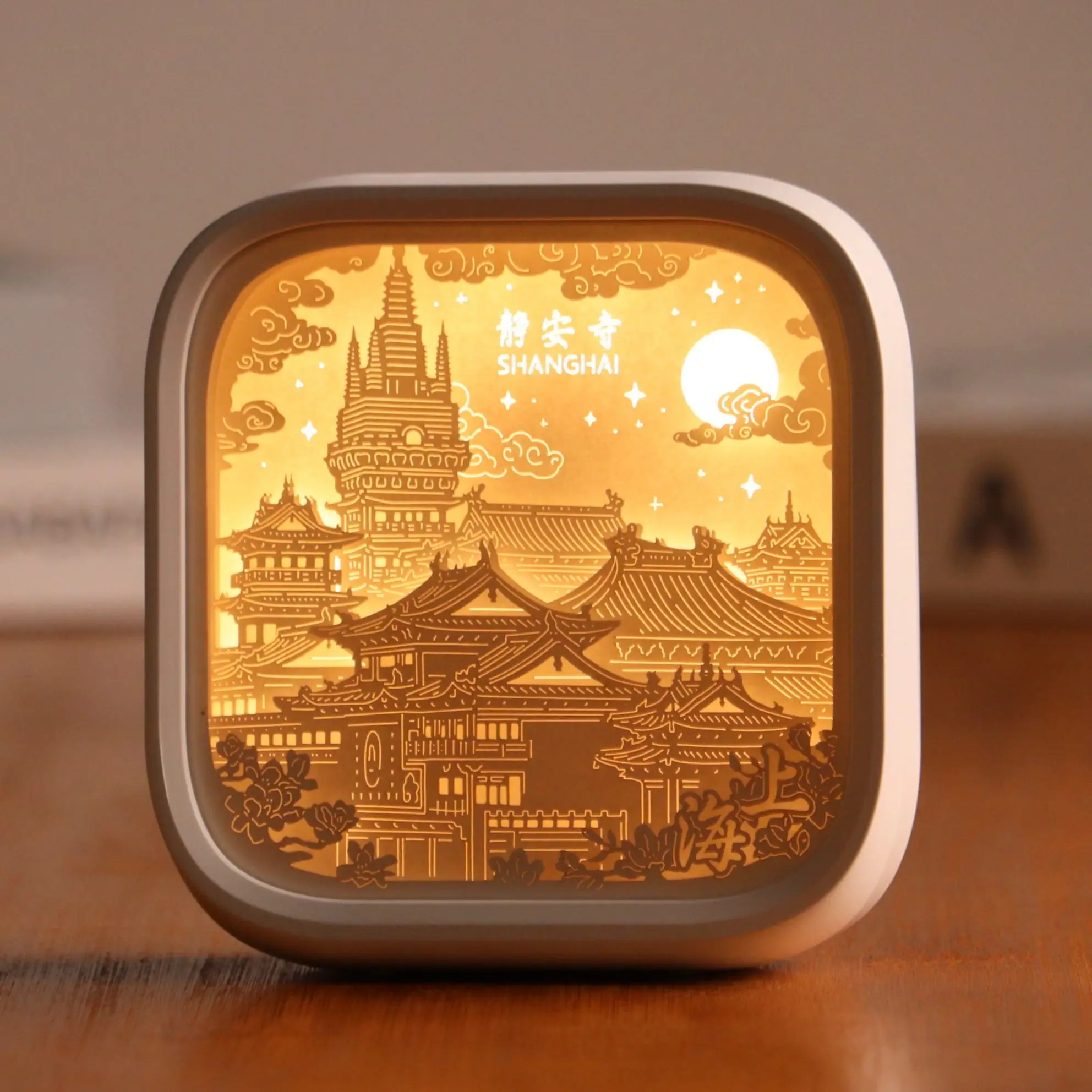
Custom Wooden Lamps: Laser-Cut Layered Night Lights
Yichi is a custom wooden lamp manufacturer producing laser-cut layered night lights in Zhejiang, China — city landmark designs, corporate logos, school and anniversary pieces — for tourism boards, city souvenir programmes, corporate gifting buyers and retailers. Send a landmark, a photograph or a logo and it is drawn into a layered cut file, so the design is built into the depth of the lamp rather than printed on the surface. A one-piece minimum, samples in 1-3 days and production in 2-10 days apply across the range.
The product sits between two categories. It is a working night light, and it is also a small object made for a specific place or a specific occasion — which is the reason a buyer commissions it rather than buys it. That dual purpose decides almost everything about how it should be specified: how many layers the design needs, whether it plugs in or charges, and how it is packed for something that will be given rather than used up.
Layered Laser Cutting and Where the Depth Comes From
The lamp body is not a single engraved board. It is a stack of laser-cut layers, and the effect comes from the gaps between them.
Each layer carries one part of the picture. A city skyline, for example, is split so that a foreground, the buildings and a background element sit on separate boards. A multi-layer hollow-cut construction is used, and the boards are stacked in order.
The light sits behind the stack. A warm LED strip throws light through the cut openings, so the layers closest to the light read brightest and the ones further away fall into shadow. That is what produces the depth: the image is not a picture of a scene, it is a small lit model of one, and the parallax between layers is what the eye reads as distance.
Cut edges are sanded smooth. Every layer is sanded after cutting, so the edges are clean to the touch and the line of a cut is crisp rather than fuzzy — the difference that decides whether a skyline reads as architecture or as a silhouette.
Two consequences follow for anyone specifying a design. Fine detail has to work at the scale of a cut line, so hairlines and dense text do not survive; and the design has to be planned as layers from the start. A flat illustration sent in and cut as one piece looks like a decorated box — the depth only appears when the artwork is separated.
Wood, Acrylic and LED: What Each Layer Does
Outer frame — wood plywood with a natural black walnut veneer. The frame is plywood faced with real walnut veneer, which gives a fine grain and a warm, matte surface rather than the flat colour of a printed board. Both faces carry an environmental UV coating, which protects the grain and helps the panel resist moisture and distortion. Wood is a natural material: grain and shade vary slightly from piece to piece, and that variation is a property of the material rather than a defect.
Inner layers — plywood core, sanded. The internal boards are a plywood core, sanded smooth. They are the layers that carry the cut pattern, and being plywood rather than solid stock they hold their shape in a thin section.
Front panel and light path — high-clarity acrylic. A high-transparency acrylic sheet sits in the light path, so the light is diffused rather than projected as hard points. This is the part that stops the lamp from showing individual LED dots through the cut pattern.
Light source — LED strip. Powered by a low-voltage LED strip inside the body, with the brightness controlled at the touch version by a stepless touch switch.
Plug-In or Touch Rechargeable
Two versions are produced, and the decision is usually about where the lamp will live.
Plug-in version. Lights as soon as it is connected. It is the version for a desk, a reception counter or a fixed display where a cable is acceptable, and it is the one specified when the lamp will be on for long periods.
Touch rechargeable version. Carries a 300 mAh battery and charges over a standard Type-C USB port — the same connector as a phone, so no proprietary cable has to be kept with the product. A charging indicator light shows red while charging and green when full, which answers the question a customer asks on day one: is it actually charging? This is the version for a bedside piece, a gift, or anywhere a cable would be awkward.
Switching. The rechargeable version uses a stepless touch control — a touch lights the lamp, and holding the control dims it up or down rather than stepping through fixed levels. On a night light that is the difference between a product that can be set low enough to sleep next to and one that can only be switched on or off.
Light Quality: Warm, Flicker-Free and Dimmable
Three properties matter on a lamp that is used overnight, and all three are specified here.
Warm colour temperature. The output is a warm light rather than a cool white, which is what makes the piece read as a night light and an ornament rather than as a task lamp.
No flicker. Flicker is the property that decides whether a lamp can be left on next to a bed — it is invisible in a photograph and obvious when it is running in a dark room.
Soft, even diffusion. Because the light passes through the acrylic panel and then through cut openings in the layers, the output is soft and does not glare. The lamp is designed to be looked at, which makes this a functional requirement rather than a nicety.
Dimming. On the touch version, brightness is continuously adjustable, so the same lamp can be set bright enough to read the layers clearly or low enough to leave on all night.
City Landmarks, Logos and Commemoration Designs
City and tourism pieces. A landmark, a bridge, a skyline, a monument — cut into layers so the scene has depth. This is the pattern behind city and scenic-area souvenir programmes, where the lamp is both a gift and a small piece of local identity.
Corporate and institutional orders. A company logo, a building, a product silhouette or an anniversary device, produced as business gifts, staff pieces or event favours.
Graduation and school orders. A year group, a school building, a motto or a class design, for a leaving year or an anniversary.
Commemorative and personal pieces. A date, a portrait, a wedding design or a milestone, produced for a single recipient.
Sizes and design freedom. Size, pattern, logo and packaging are all customisable, and a design can be developed from a supplied image where the buyer has artwork but not a cut file. A design and proof are produced before cutting — the same file is also the thing to approve, because a layered cut is not a process where the artwork can be adjusted after the wood is cut.
Specifications
| Specification | Details |
|---|---|
| Product type | Laser-cut layered wooden night light and desk ornament |
| Frame material | Wood plywood with natural black walnut veneer, environmental UV coating on both faces |
| Inner layers | Plywood core, sanded smooth, cut with the pattern |
| Light path | High-clarity acrylic panel |
| Light source | LED strip, warm light, flicker-free |
| Power options | Plug-in version; touch rechargeable version with 300 mAh battery |
| Charging | Standard Type-C USB port with charging indicator, red while charging and green when full |
| Switching | Stepless touch control on the rechargeable version, hold to dim |
| Construction | Multi-layer laser hollow-cut, boards stacked in order, cut edges sanded |
| Body sizes | 125 x 95 x 45 mm; 125 x 95 x 50 mm; 150 x 120 x 50 mm; 88 x 48 x 125 mm; 12.5 cm-tall formats; custom sizes |
| Weight | Approx. 130 g to 195 g depending on format |
| Pack size | Documented at 15 x 6 x 15.3 cm for the heavier 195 g format and 15 x 6 x 10 cm for the 130 g format |
| Packaging | Plain mailing box as standard; black extra-hard mailing box with printed sleeve; shrink-film wrap; custom gift box and sleeve |
| Customisation | Custom size, pattern, logo and packaging; designs built from supplied artwork or a landmark |
| Design services | Design and effect proof produced free of charge; sample proofing available |
| Order support | OEM and ODM; dropshipping and cross-border supply supported |
| Measurement tolerance | Hand-measured, 1-3 cm variation |
| MOQ | 1 pc |
| Sample time | 1-3 days |
| Production time | 2-10 days |
| Return policy | Customised pieces are not returnable once production is confirmed |
Sizes, Weight and Packaging
Body size. Four formats are produced as standard — 125 x 95 x 45 mm, 125 x 95 x 50 mm and 150 x 120 x 50 mm, plus a 12.5 cm-tall series that includes an 88 x 48 x 125 mm body — with body weights from about 130 g to about 195 g depending on the format. Size and shape can be customised, which is how a lamp is matched to a specific shelf, a specific box or a specific gift range.
Pack size. The mailing box is documented at 15 x 6 x 10 cm for the 130 g format and 15 x 6 x 15.3 cm for the heavier 195 g format, which is the figure to use when working out carton counts, shelf space and freight rather than estimating from the body dimensions. Where a buyer supplies their own presentation box, the pack size is the tolerance to check against, because the box is cut to the assembled lamp rather than to the cut layers.
Tolerance. Measurements are taken by hand and carry a 1-3 cm variation on the quoted figures. On a lamp this matters for one practical reason: the packing inserts and the gift box are cut to the body, so a buyer specifying a tight-fitting presentation box should order a sample and measure it rather than work from the catalogue figure.
Packaging options. The default is a plain mailing box, which is adequate for a resale order where the buyer supplies their own presentation. For a gift programme, a black extra-hard mailing box with a custom printed sleeve is used, plus a shrink-film wrap on the lamp itself. A gift box and a printed sleeve can be designed together with the lamp so the packaging carries the same artwork as the cut layers — which is what turns the item from a product into a presentation.
Colour. The wood finish is natural, so the shade of the piece varies with the veneer. Screen colour on any supplied image varies between displays, so the wood shade is agreed from a physical sample where it matters.
Where These Lamps Get Used
City and scenic-area programmes. The core application: a lamp carrying the identity of a place, produced for tourism retail, visitor centres and civic gifting.
Corporate and staff gifting. A company building, a logo or an anniversary device, for client gifts, staff recognition and event favours.
Schools, colleges and alumni. Graduation pieces, anniversary commissions and alumni gifts, produced from a school building or a crest.
Business protocol and formal occasions. Conference gifts, delegation presents and event mementos, where the piece needs to feel considered rather than mass produced.
Weddings and personal milestones. A date, a monogram or a portrait, produced for a wedding or an anniversary.
Home and retail. Sold as a bedside night light, a desk ornament or a shelf piece — the reason the product is bought twice: once as a gift and again for the buyer’s own use.
Building a wider gift programme? The same design language can be carried onto promotional gifts — printed boxes, coasters, keyrings and desk pieces — so a launch or a tourism range comes from one supplier rather than from several.
How an Order Runs
Discuss the requirement. Tell us the size, the design idea, the quantity and the deadline. For a landmark or a logo, send the clearest image or file available.
Layout and first draft. The design is laid out and split across the layers. This is where a design is made to work — an image that reads flat will be re-planned here rather than cut as-is.
Confirm the effect proof. A rendering of the finished lamp is issued, showing the design, the layer split and the light. Nothing is cut before this is approved, and a physical sample can be produced where the order needs one.
Production. The approved file goes to the laser, the layers are cut and sanded, and the lamp is assembled and packed.
Delivery. Confirmed against the agreed date. Where a delivery date is fixed by an event or a season, raise it at the start.
Why Order From Yichi
Wooden lamps go wrong in three ways: the layers are stacked so the design reads as a blur rather than a scene, the light shows through as individual dots, or the piece arrives with a chipped edge because the cut was never sanded. This range answers all three — designs are separated across layers rather than engraved onto one board, the acrylic panel diffuses the LED strip so the output is even, and every layer is sanded after cutting.
We are a custom wooden product and laser-cutting manufacturer based in Zhejiang, China, and we run the cutting in our own workshop rather than buying finished lamps in. That is what makes a one-piece order workable: a single lamp can be designed, proofed, cut and sent out for approval, and the production order then runs from a file that has already been seen as a finished object. OEM and ODM work, dropshipping and cross-border supply are all supported, so the same process serves a tourism retail range and a single presentation piece.
Send the design, the size and the quantity through the contact page and we will come back with a quote and a free effect proof.
Frequently Asked Questions
What is the MOQ for custom wooden lamps?
What materials are used?
How is the light powered?
Can you reproduce a city landmark or our logo?
What sizes and packaging options are there?
Can the lamp be returned?
You May Also Need
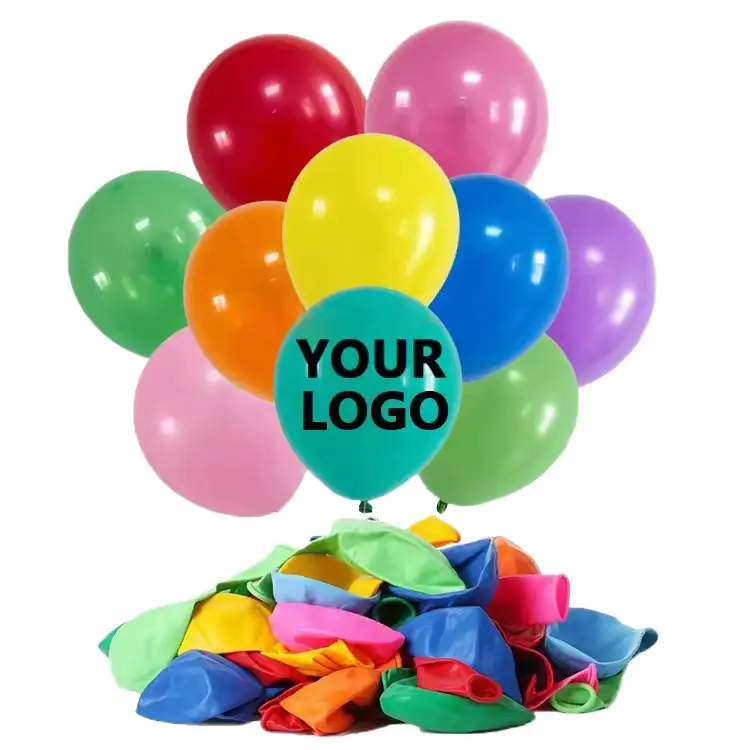
Custom Printed Balloons – Free Design & Bulk
Custom printed balloons with free design & 1-on-1 support. MOQ of just 1. Silk-screen logo printing on 230 colors. CE-certified quality for promotions & events
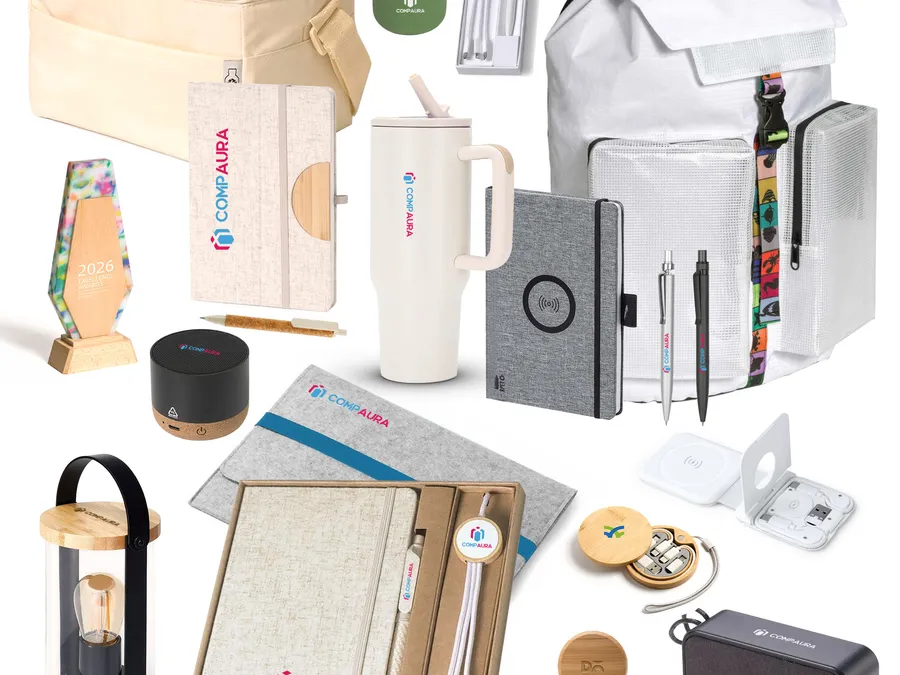
Business Gift Sets
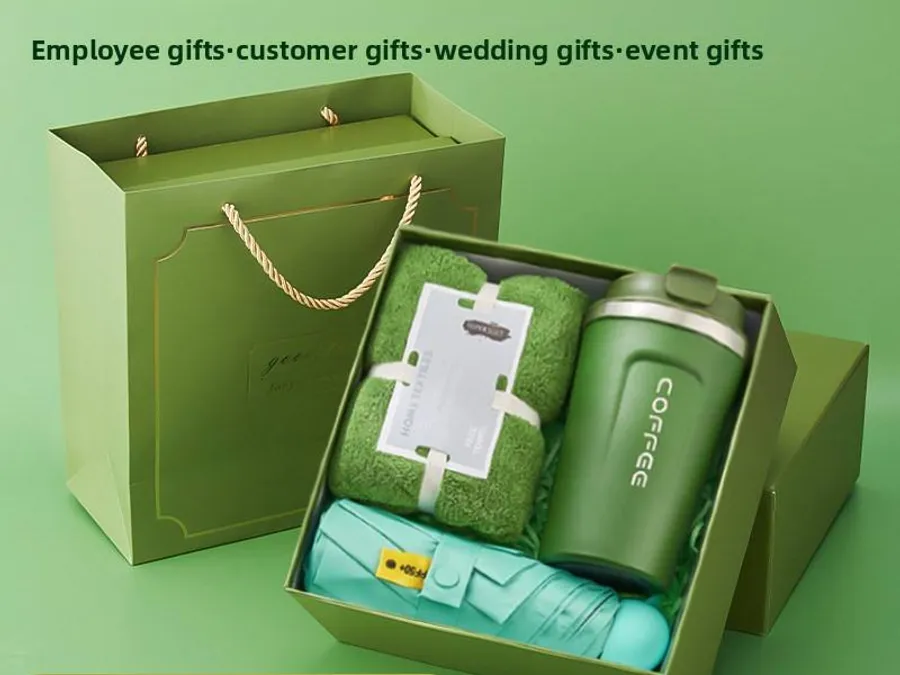
Business gift sets and opening ceremony gifts with your logo — complete branded sets for corporate launches, anniversaries and holiday gifting.
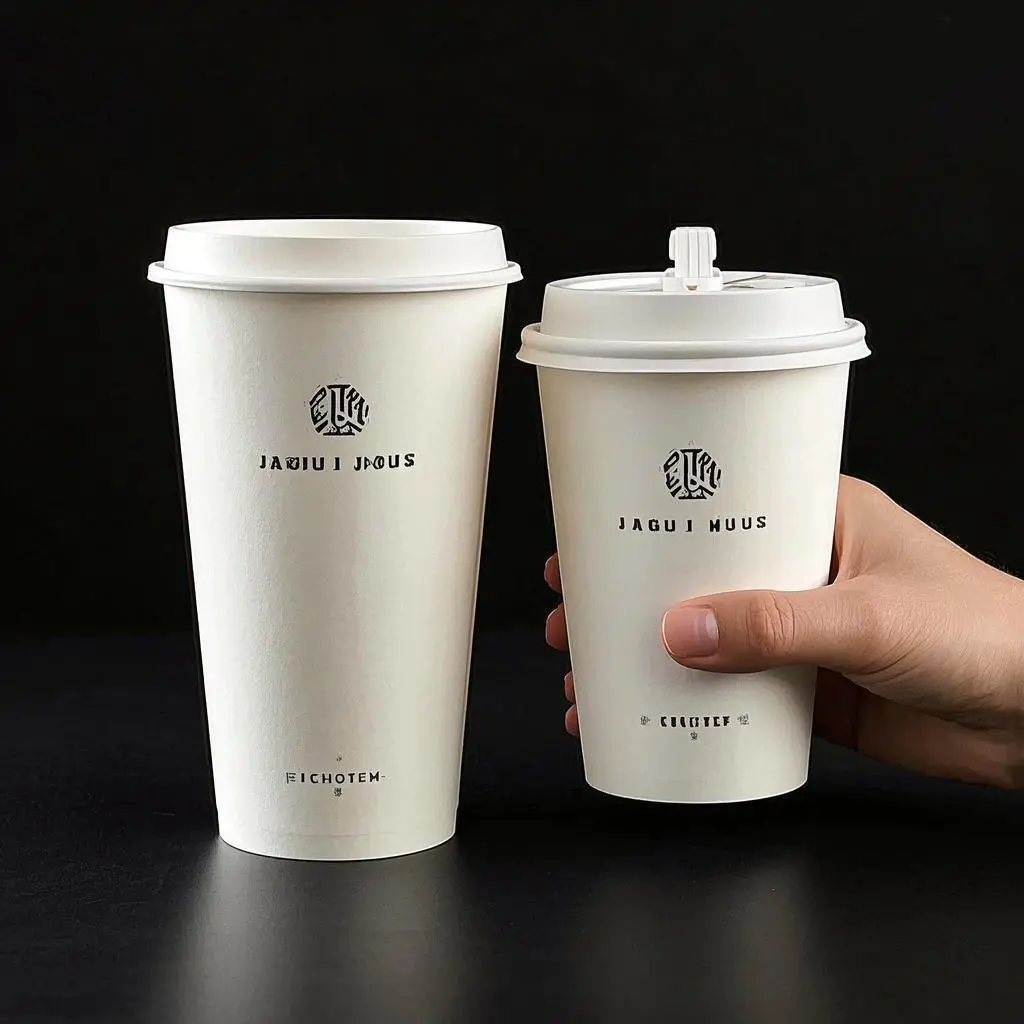
Custom Printed Coffee Cups | Branded Paper Cups with Logo
Custom printed coffee cups with your logo from just 1 piece—food-grade, hot/cold ready, free layout design and fast samples in 1-3 days.
Corporate Gifts
Corporate gifts custom-made with your logo — USB drives, nail clipper sets, notebooks, mugs and more. One-stop corporate gift sourcing with low MOQ.