Custom Drinking Glasses Manufacturer – Logo Whiskey, Beer & Shot Glasses, Wholesale
Custom drinking glasses in lead-free or borosilicate glass, 7-700 ml, with engraved names or printed logos. Shot, whisky, beer and coffee shapes. 1 pc MOQ.
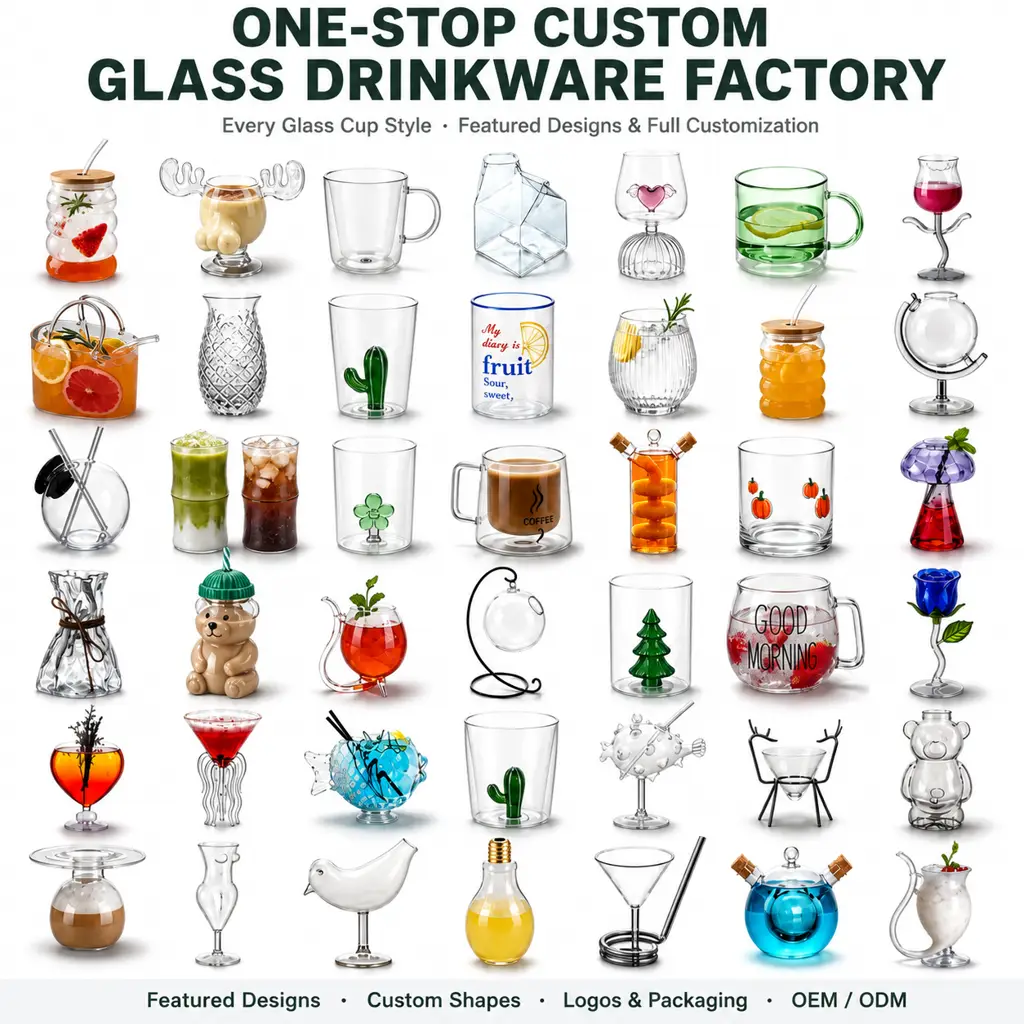
Custom Drinking Glasses with Engraved or Printed Logos
Yichico is a custom drinking glasses manufacturer supplying engraved and printed glassware to bars, craft breweries, taprooms, restaurants, cafes, hotels, distilleries and corporate gift programmes. Shapes cover shot and baijiu glasses, whisky tumblers, beer glasses by style and coffee glasses, from 7 ml to 700 ml, in lead-free, borosilicate and tempered lead-free glass. Engraved names from one piece, logos from six, free design proof, samples in 1-3 days and production in 2-10 days.
Glass is the one drink-related item a customer keeps using after the bottle is empty, and it is also the item that most often decides how a pour is perceived. Two specification decisions do most of that work: which glass the vessel is made from, and how the branding is applied.
Lead-Free, Borosilicate and Tempered: Which Glass to Specify
Three glass specifications are available, and the right one follows from what the end user is going to do with the glass rather than from price.
Lead-free glass — the general-purpose choice. No lead is used in the formulation, so the glass is chemically inert and releases nothing into the drink. Compared with plastic, glass is the safer material for anything consumed: the surface is non-porous, it does not retain odours or colours, it is straightforward to clean, and it does not give bacteria a surface to colonise. For bars, restaurants and gift sets, this is the default.
Borosilicate glass — for heat and thermal shock. Borosilicate withstands rapid temperature change, which is why it is specified where hot liquid is poured into the glass or where a glass goes from a fridge or an ice bath into a warm room. It is also the right choice for coffee service and for cold-brew and tea drinks where the glass is likely to be used for both hot and cold. These are the thick-walled, extra-durable builds.
Tempered lead-free glass — for machine washing. The tempered line is rated to 120 °C and is safe in a dishwasher, a microwave, a sterilising cabinet and the refrigerator. This is the build to specify for hotels, cafes and any operation with a commercial dishwashing cycle, because it is the version designed to survive a machine rather than only hand washing. Where a glass must go through a dishwasher several times a day, this is the line to order.
Practical note on the difference: a standard lead-free or borosilicate glass is not intended for dishwashers or other high-temperature appliances and should be washed by hand. The marketing shorthand “glass is dishwasher safe” is only true for the tempered build, so if machine washing matters, specify it explicitly at quoting stage.
Matching Shape and Capacity to the Drink
The range spans a very wide capacity band — 7 ml to 700 ml — and shape follows the drink.
Shot and baijiu glasses, 7 ml to 60 ml. The smallest formats in the range, used for spirits service, tasting flights and Chinese baijiu. Slender V-shaped glasses at 45 ml and short tumbler styles at 50 ml and 60 ml are the common picks. These sell in six-piece and twelve-piece sets, and they are the format where engraving a name or a monogram works best, because the surface is small and the mark has to be simple.
Whisky glasses, around 237 ml to 320 ml. The everyday spirits glass. The useful measurements are the mouth, the height and the base: a wider mouth releases aroma, a narrower mouth concentrates it, and a heavier base gives the glass stability and a more substantial feel in the hand. Shapes at 237 ml and 260 ml with a mouth of about 8.3 cm and a base of 7.5 cm are the standard proportions.
Beer glasses, 205 ml to 700 ml. Beer glassware is genuinely shape-driven, and the shapes are not interchangeable: a pilsner flute at 330 to 395 ml preserves carbonation and shows colour; a tulip at 260 to 500 ml concentrates aroma for hoppier beers; a weizen glass at around 585 ml is designed for the volume of a wheat beer serve; a stout or classic tumbler at 400 to 500 ml suits darker, lower-carbonation styles; pint glasses in the English 565 ml and American 475 ml formats are the standard for draught service; and larger formats up to 700 ml are used for sharing serves. A taproom that serves four styles will normally stock four shapes rather than one, because the glass is part of how the beer is presented.
Coffee, highball and general-use glasses, 250 ml to 425 ml. Coffee glasses around 375 ml, tall highball and cooler shapes, and general-purpose tumblers that serve water, juice, iced tea and soft drinks. These are the highest-volume category for hotels, cafes and catering.
Engraving or Printing: Thresholds, Costs and Permanence
Two decoration routes are used, and the choice usually comes down to quantity and artwork.
Laser engraving. The mark is cut into the glass surface, so it appears as a frosted, permanent image that cannot wash off, peel or fade. Engraving handles names, initials, monograms, logos, dates and fine line artwork, and it suits personalised pieces — a name on every glass at a wedding, or a set engraved for a specific anniversary or award. Engraving a name starts from one piece and is free of charge. Engraving a logo starts from six pieces. For personalised gift sets, this is the lowest-threshold route in the range.
Colour printing with kiln-firing. Ceramic-based colour is printed and then fired onto the glass above 600 °C, so the image is fused into the surface rather than sitting on it, and it does not fade with use. This route carries multi-colour artwork, gradient fills, photographic images and brand palettes, and it is the option for full-colour logos. Colour printing starts from 24 pieces, with one colour included at no charge; each additional colour carries a plate fee that is quoted with your order. Multi-colour, full-colour, gradient and single-colour artwork are all supported.
Two practical points learned from the print side. White artwork is not produced — white does not read against clear glass, so a design that relies on white will need to be reworked or the glass will need a coloured or frosted treatment. And artwork should be supplied as vector or high-resolution raster — PSD, PNG, AI and JPG are all accepted, and low-resolution files are redrawn rather than printed as supplied. We issue a free effect drawing before production: confirm the artwork size and position there, because a printed mark is fixed once the glass goes into the kiln.
Specifications
| Specification | Details |
|---|---|
| Product name | Custom drinking glasses / engraved and printed glassware |
| Glass options | Lead-free glass; borosilicate glass; tempered lead-free glass rated to 120 °C |
| Capacity range | 7 ml to 700 ml |
| Glass families | Shot and baijiu glasses (7-60 ml); whisky glasses (237-320 ml); beer glasses (205-700 ml); coffee, highball and general tumblers (250-425 ml) |
| Beer shapes | Pilsner; tulip; weizen; stout; classic; English and American pint; Belgian craft; IPA; goblet; highball |
| Decorative bases | Plain; hammered; spiral; Mount Fuji; pagoda or tower; snow-mountain |
| Colour | Clear; transparent coloured and gradient decoration available |
| Engraving | Laser engraving of names, logos, text and artwork; free for a name from 1 pc; logo engraving from 6 pcs |
| Colour printing | Kiln-fired above 600 °C; from 24 pcs, one colour included; extra colours quoted |
| Artwork formats | PSD, PNG, AI, JPG |
| Rim and base finish | Rounded, polished rim with no burrs; thickened base, anti-slip and stable |
| Appliance safety | Tempered line: dishwasher, microwave, sterilising cabinet and refrigerator safe |
| Packing | White paper boxes; breakage in transit replaced free of charge |
| MOQ | 1 pc |
| Sample time | 1-3 days |
| Production time | 2-10 days |
Decorative Bases and Why They Sell
A plain tumbler is a commodity. A tumbler with something happening inside the base is a product, and this range carries several of those designs — which is why they work in gift retail, hospitality and branded merchandise.
Hammered base — the interior of the base is faceted so that light breaks up and moves as the glass is turned. It reads as textured and hand-made, and it hides the slight imperfections that show up under bright light on a plain base.
Spiral base — a twisted internal form that makes the base look like it is rotating and throws a curved reflection up into the body of the glass.
Mount Fuji and snow-mountain bases — a mountain form is moulded into the base using a hand-finished process, and because it refracts light the peak picks up colour from whatever is in the glass. Fill it with a dark spirit and it reads dark; fill it with a cocktail and the peak takes the colour of the drink. This is the design that gets photographed and shared, which is precisely why it outsells a plain tumbler in gift and bar retail.
Pagoda or tower base — the same principle with an architectural silhouette, considerably more prominent, and usually bought as a single statement glass or a small set rather than as bar stock.
All of these are formed in the base, so they do not wear off, and they combine with engraving or printing on the body. Note that a decorative base adds weight and needs a matching box, so specify the packaging at the same time as the glass.
Breakage, Packing and Receiving
Glass is fragile in transit, and this is handled with both packing and a replacement policy.
Glasses are supplied in white paper boxes, and breakage in transit is replaced free of charge — damaged pieces are re-sent rather than credited. Sets are packed in six- or twelve-piece configurations for commercial buyers, with volume pricing on the larger pack sizes.
The condition that applies to any breakage claim is inspection on delivery. Glassware should be checked before the delivery note is signed; damage that is signed for as received in good condition cannot be claimed afterwards. If a carton looks damaged on arrival, photograph it before opening. For orders combining several glass shapes and packaging, ask for an itemised packing list, which turns the receiving check into a quick count rather than a reconciliation exercise.
Cleaning: Three Methods That Actually Work
Hand washing is straightforward, and the three methods below are the ones that deal with the problems that actually occur — tea stains, cloudy residue and dried-on drink.
Toothpaste. Apply toothpaste to the surface without wetting it first, work it in gently with a soft brush, then rinse with clean water. Effective on tea and coffee staining inside the glass.
Dilute acetic acid. Soak the glass in diluted acetic acid for 30 minutes, brush gently, then rinse thoroughly. This is the method for scale and hard-water film.
Baking soda. Soak in a baking soda solution for 30 minutes, brush gently, rinse. A milder option that is safe on decorated glass.
Two rules apply to all three. Never use steel wool or any abrasive pad — it scratches the glass and, on printed glassware, damages the fired image. And use a soft cloth or a soft brush with a neutral detergent for everyday washing. Glasses in the tempered line can go into a dishwasher; the standard lead-free and borosilicate lines should not, and should not be exposed to sudden high heat.
Realistic Expectations About Glass
It is worth setting expectations with your customer up front, because the alternative is a complaint about something that is normal for the material.
Small artefacts are inherent to glass. Fine bubbles, wave lines, tiny black specks, small raised points and a faint mould seam can appear in any production batch. These arise from the forming process at high temperature, not from a fault. On a glass where the base ring is not perfectly centred relative to the printed artwork, that too is a normal manufacturing tolerance rather than a defect.
Hand-measured sizes vary. Glass dimensions and capacities are measured by hand, so variations of 2 to 3 cm on overall size and small capacity differences between units should be expected. If the glass has to fit an existing holder, rack or box insert, send that measurement and the glass will be selected against it.
Printed decoration varies slightly. Print applied to glass can show a small colour deviation from the proof, and fine artwork can carry a slight coloured edge. This is a characteristic of the process and is more visible on personal, low-volume printing than on a full production run; the effect drawing is a production reference rather than a photograph of the finished glass.
Custom glass is not returnable. Once a glass is engraved or printed it cannot be resold, so orders cannot be returned for reasons other than a quality fault. Quality faults are handled through our after-sales process.
MOQ, Sampling and Lead Times
- MOQ: 1 pc for plain glass; engraving from 1 pc for a name and 6 pcs for a logo; colour printing from 24 pcs
- Free decoration: name engraving at no charge; one colour in the print run included
- Sample time: 1-3 days
- Production time: 2-10 days
- Free design proof: artwork laid out and previewed before production
- Pack formats: six-piece and twelve-piece sets for commercial buyers; volume pricing on larger quantities
- Wholesale: full-case wholesale pricing available, with invoices supplied
- Personalisation: engraving supports a different name on each piece, which makes wedding, awards and staff-gift runs straightforward
The flow for a custom order is: send the artwork, confirm the artwork proof and the glass specification, approve a sample where the quantity justifies it, then production. A sample is worth taking whenever a mark will be applied to a large quantity, because the proof cannot show how the print reads against a particular glass thickness.
Where These Glasses Get Used
- Bars, taprooms and craft breweries — branded service glassware by beer style, plus engraved bar staff and loyalty glasses
- Restaurants, cafes and hotels — water, soft-drink, coffee and spirits service glassware in volume
- Distilleries, wineries and drinks brands — branded gift sets and tasting glasses
- Corporate gifting — engraved sets for staff recognition, anniversaries and client gifts
- Weddings, events and hospitality — engraved name glasses for place settings and favours
- Retail and e-commerce — gift-boxed glassware sets and promotional glassware
- Home and hobby — personal sets for whisky, wine, coffee and home brewing
Used as an engraved keepsake, the glass sits on a shelf and is handled repeatedly; used as bar stock, it is washed daily and has to survive it. Specifying glass, capacity and decoration separately for those two cases is what keeps the result right in each.
Why Order From Yichi
Most complaints about branded glassware are not about the logo — they are about a glass that clouded in the dishwasher, or a print that looked smaller on the glass than in the proof, or a set that arrived with three broken pieces and no replacement. This range is built around those outcomes: the tempered line for machine-washed commercial use, a free proof and a sample step before a print run, an engraving route that starts at one piece so small orders are viable, and free replacement of breakage in transit. Decoration is fired above 600 °C so the mark is part of the glass rather than a layer that can be scrubbed off, and the shape range covers the whole service from a 7 ml shot to a 700 ml sharing glass.
Building a bar or gifting programme? These glasses pair with bottles, packaging and drink-related gift items from the wider promotional gifts range so the whole set carries one identity.
Send your glass shape or the drink it is for, the quantity, and your artwork through the contact page and we will come back with a quote, a suitable glass specification and a free artwork proof.
Frequently Asked Questions
What is the MOQ for custom drinking glasses?
Can the glasses go in a dishwasher or microwave?
How permanent is the logo?
What sizes and shapes are available?
What if glasses arrive broken?
You May Also Need
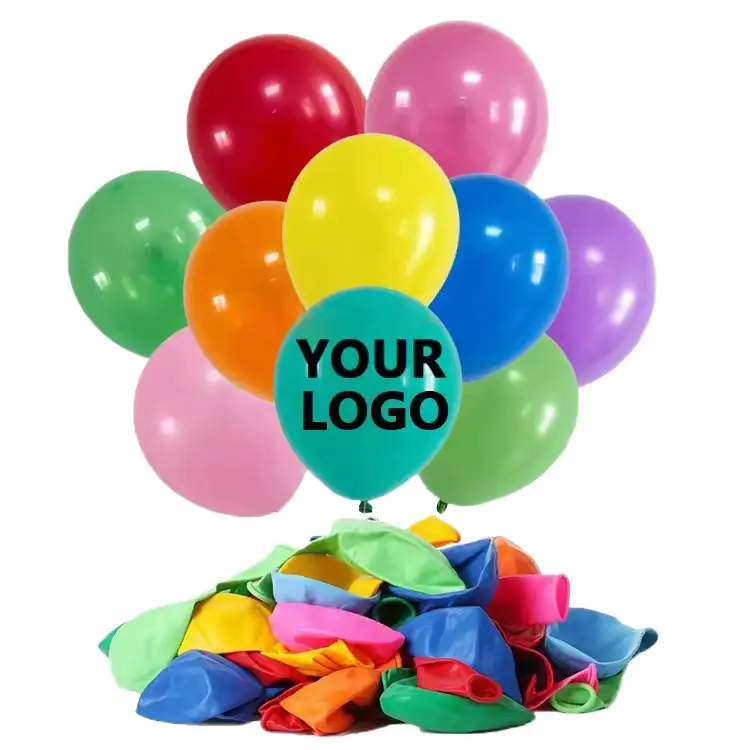
Custom Printed Balloons – Free Design & Bulk
Custom printed balloons with free design & 1-on-1 support. MOQ of just 1. Silk-screen logo printing on 230 colors. CE-certified quality for promotions & events
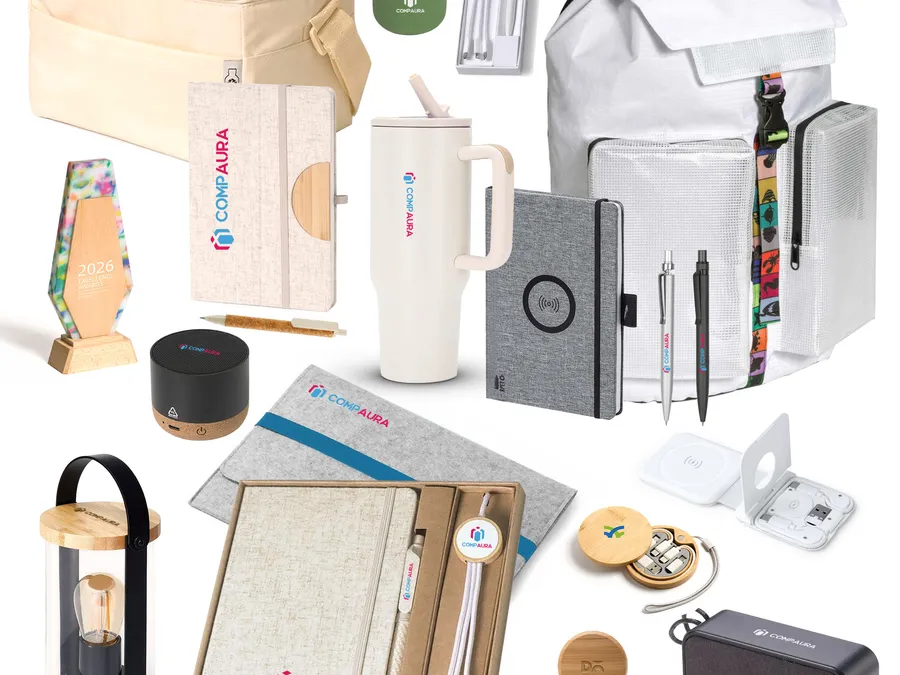
Business Gift Sets
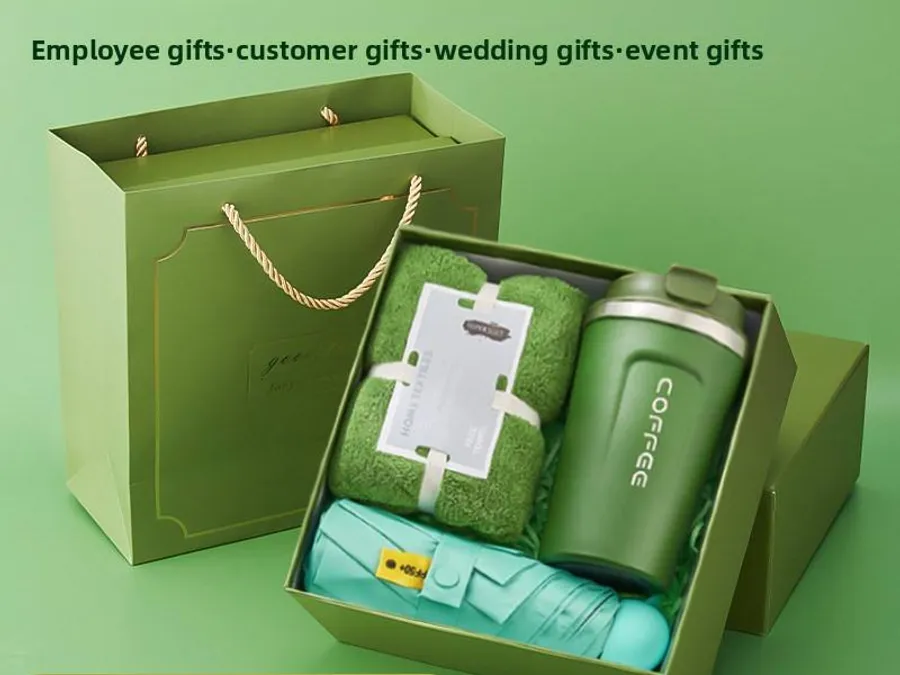
Business gift sets and opening ceremony gifts with your logo — complete branded sets for corporate launches, anniversaries and holiday gifting.
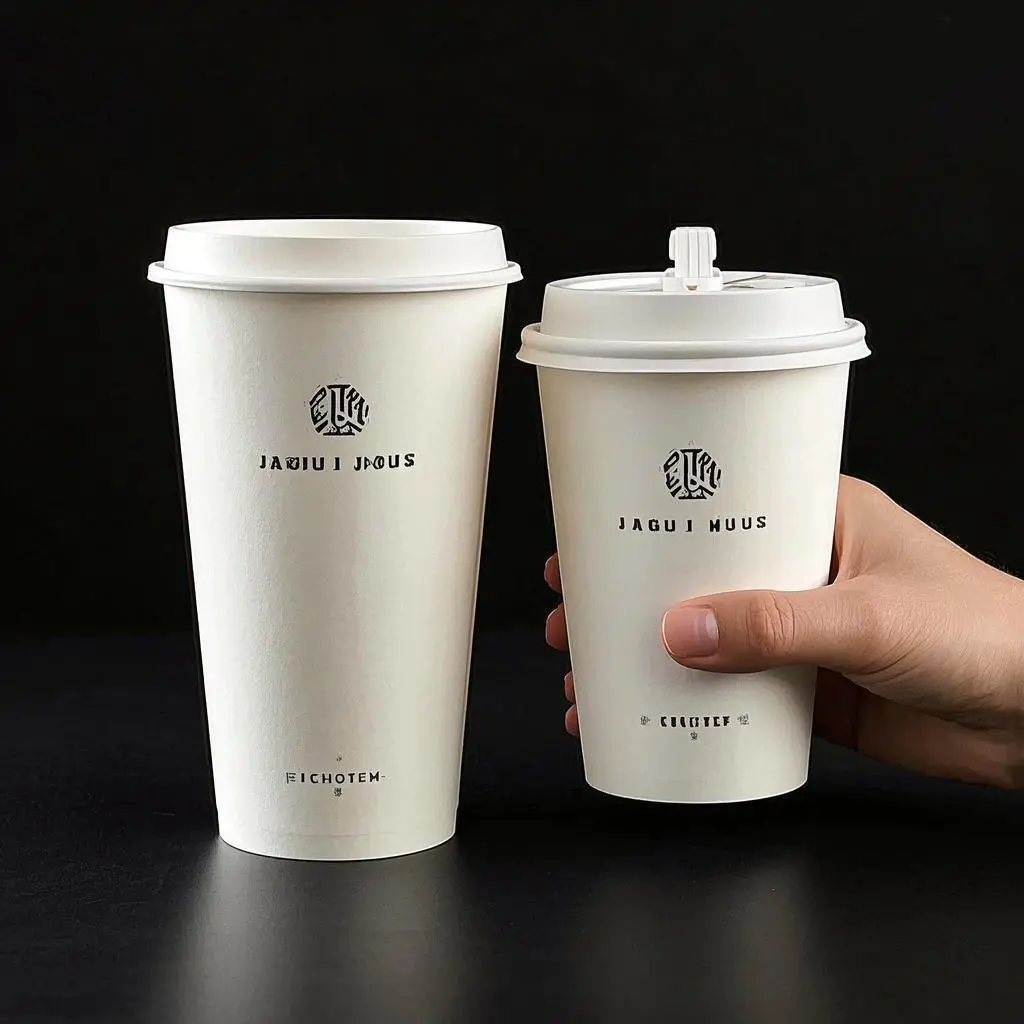
Custom Printed Coffee Cups | Branded Paper Cups with Logo
Custom printed coffee cups with your logo from just 1 piece—food-grade, hot/cold ready, free layout design and fast samples in 1-3 days.
Corporate Gifts
Corporate gifts custom-made with your logo — USB drives, nail clipper sets, notebooks, mugs and more. One-stop corporate gift sourcing with low MOQ.