Custom Basketball Uniforms Manufacturer – Reversible Team Jerseys & Shorts, Sublimated Numbers, 1 pc MOQ
Custom basketball uniforms built to order: 160-250 gsm polyester jerseys and shorts, seamless or sublimated numbers, team crests and reversible sets. 1 pc MOQ.
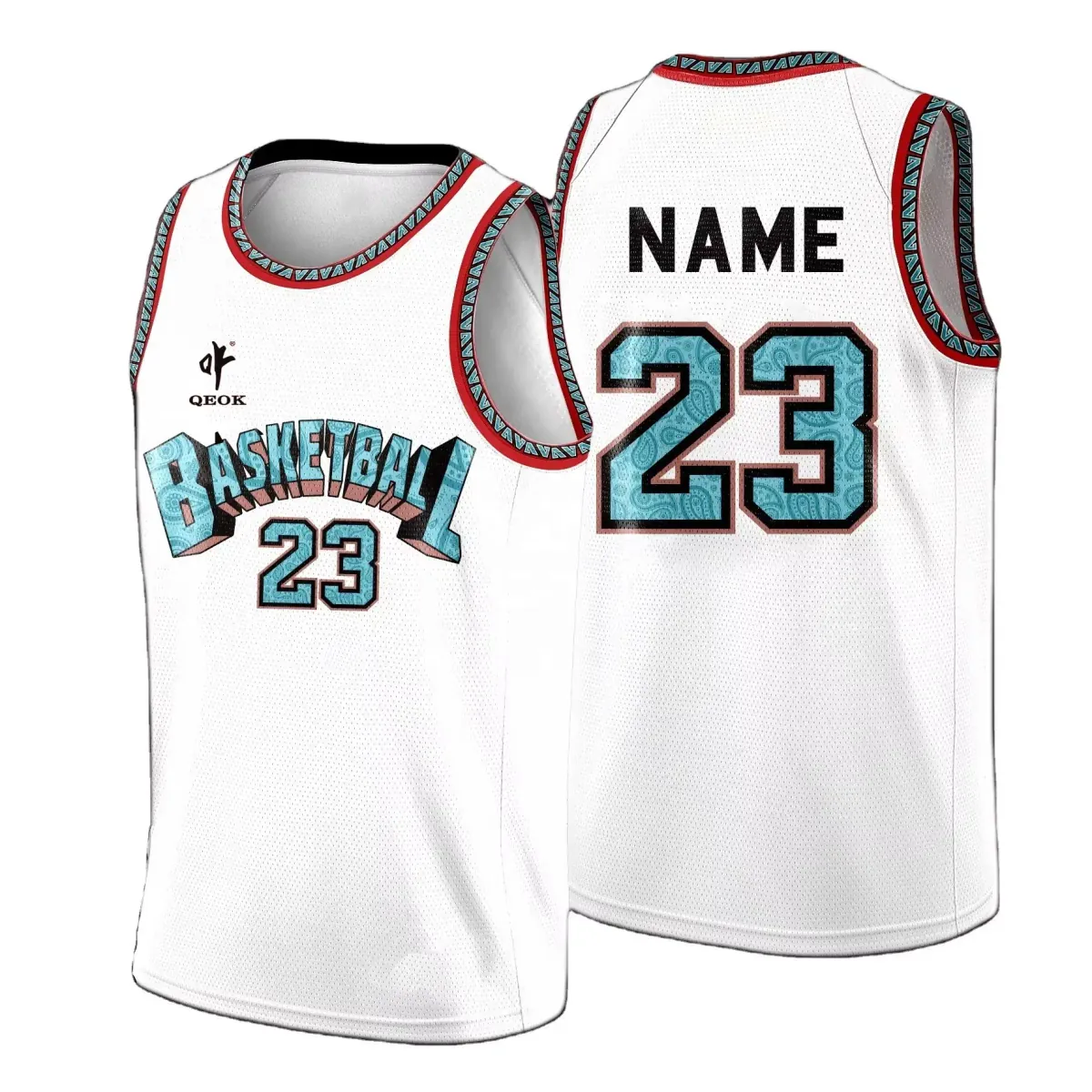
Custom Basketball Uniforms and Reversible Team Jerseys
Yichico is a custom basketball uniform manufacturer building team jerseys and shorts to order — single-sided sets, reversible sets, compression base layers and matching off-court pieces — for clubs, school and university teams, corporate leagues and tournament organisers. You choose the style, the colour and the fabric weight, send the crest, the numbers and the player list, and we return an effect preview before anything is printed. A one-piece minimum, samples in 1-3 days and production in 2-10 days apply across the range, so a five-player starting five and a thirty-team tournament order run through exactly the same process.
A kit is bought once and worn for a season. The colour is the thing everyone discusses and the least important decision on the page: what actually decides whether a squad is still comfortable in the fourth quarter is the fabric weight, the numbering method and the size range.
What a Team Set Actually Consists Of
The range is built from four pieces, and most orders are a combination of them.
The jersey. Cut as a sleeveless team top on a full-knit pattern rather than from a plain panel, with the shoulder line and the armhole shaped so the garment moves with a shooting motion instead of pulling across the chest.
The short. Elasticated waistband, twin-needle hemming along the seams, and a built-in lining — the point being that a player wears the short on its own rather than over a second layer, which is what most school and amateur players actually do.
The compression base layer. A separate chart and a separate fit, worn under the jersey by players who want support and a second layer of moisture handling. It is a different garment, not a smaller jersey.
Reversible sets. Two faces in one garment: a dark side and a light side, each printed with its own crest and numbering, so a squad travelling to an away fixture carries half the kit it otherwise would.
The range also covers matching walk-out and warm-up tops plus off-court casual pieces, which lets a club kit the squad from the tunnel to the bus with one supplier and one colour standard.
Choosing Between the Three Fabric Weights
This is the first decision worth making, and the one buyers most often leave to the supplier.
75D full-knit breathable mesh. The base structure under the jersey lines. A 75D yarn knit as an open mesh rather than a flat weave, which is where the air movement comes from. Measured on the finished fabric the breathability rate reaches 80%, drying rate is 0.26 g/h, air permeability is 235.4 mm/s and the antistatic index is 1.0 uc/m — the last figure being why a jersey does not cling and crackle when it comes out of a dryer.
160 gsm. The lightest line. Chosen for training kit, social leagues and summer tournaments where the priority is a cool garment that dries fast between games.
200 gsm. The general competition weight, and the line most league squads order. Heavy enough to hold a printed crest crisply and to hang properly in photographs, light enough to wear for a full game.
250 gsm. The international-competition weight. The heaviest hand in the range, with the most structure in the shoulder and the most opacity on the print area — the version for representative teams and broadcast fixtures where the kit is part of the presentation.
Why the Ventilation Is Built in Layers
A basketball jersey has an unusual problem: the print area is also the area that most needs to breathe, because the chest, the back and the shorts carry the largest printed panels. Most cheap kit solves this by printing over the mesh, and the ink film closes the holes.
The construction here works in two layers. A dry mesh sits against the skin to wick moisture away, the outer face carries the colour and the print, and air moves in the gap between them. The result is a garment that sheds heat in two directions rather than one, and it means the printed panels on the back and the shorts do not become a sealed patch.
One detail worth noting for humid leagues: the jersey line also uses laser burn-out ventilation holes cut into the fabric and a panel-splicing construction that combines a mesh panel with a solid panel. Both are cosmetic as much as functional, but they are the difference between a kit that looks like a generic team top and one that reads as designed.
Seamless Print, Heat Transfer, Offset or Embroidery
Decoration is where a uniform order most often goes wrong, usually because the method was not matched to the artwork.
Seamless print (the default for numbering and crests). The ink is dyed into the fabric itself rather than laid on top of it, so the print has no thickness and no edge. It does not sit as a film that can lift and peel, it does not crack when the garment is stretched, and it does not close the ventilation holes it sits over. On a garment that is going to be pulled, stretched and washed for a full season, this is the method to specify.
Heat-transfer sublimation. The route for full-body artwork, gradients and photographic crests. Printed onto imported transfer paper and applied with imported inkjet ink, which is what allows fine lines and colour transitions to survive the transfer intact.
Offset and water-based printing. Used for solid single-colour marks and simple lettering where a heavier, more opaque coverage is wanted.
Embroidery. Thread-based crests for club badges that are meant to read as raised and textured, particularly on off-court and warm-up pieces.
The production line runs a Japan-imported Roland plotter for cut vinyl and stencil work, which is what keeps small lettering — player names, sponsor marks, fine crest detail — legible rather than blurred.
Numbers, Crests and the Details Buyers Forget
Numbering and lettering. Front number, back number, player name, team crest and sponsor marks can each be placed independently. Both English and Chinese typefaces are available, and a number design can be created from scratch if the club has none.
Default state. Sets are supplied as blank jerseys unless printing is specified, so a club that wants to print locally can order the garment on its own. Collar style can be changed and subtle tone-on-tone patterning can be added inside the printed area for teams that want detail without a second colour.
Collar and trim. The neckline is a classic team collar, and the trim colour can be run differently from the body — the cheapest way to make two teams in the same colourway look distinct.
Colour. Royal blue, navy, black, white, grey, red, orange, yellow, purple, green and lake green are held in stock, and combinations are mixed freely across body, trim and shorts. Lake blue and navy are the two lines that photograph best under indoor lighting, which is why they dominate league kit.
Sizes, Cuts and the Two Size Charts
Two charts are in use, and mixing them within one squad order is normal.
Standard cut, S to 6XL. Graded generously through the chest and shoulder, with the extended charts running 6XS to 8XL for youth and larger builds. The chart carries height, weight, chest, jersey length and short length so a player can be matched on measurements rather than on a letter.
American cut. A wider body and a longer short on the same size label. Clubs that order kit from US suppliers and then switch to a domestic cut usually discover this the hard way, so it is worth deciding which cut the squad is used to before the order is placed.
Compression base layers. A third chart, on its own fit, covering the UA500 and UA506 lines.
All charts are hand-measured with a 1-3 cm tolerance, and some lines allow 2-4 cm. If a player sits between two sizes, take the larger; if you would rather not choose, send the roster with each player’s height and weight and we will do the matching.
Specifications
| Specification | Details |
|---|---|
| Product type | Custom basketball uniforms: jersey and short sets; reversible sets; compression base layers; matching walk-out and warm-up tops |
| Fabric structure | 75D full-knit breathable mesh |
| Fabric weights | 160 gsm; 200 gsm; 250 gsm (international-competition weight) |
| Fibre content | Polyester |
| Breathability | Up to 80% |
| Drying rate | 0.26 g/h |
| Air permeability | 235.4 mm/s |
| Antistatic index | 1.0 uc/m |
| Ventilation construction | Two-layer build: skin-side dry mesh, outer face, air gap between; laser burn-out vent holes; spliced mesh and solid panels |
| Numbering and crests | Seamless print (dyed into the knit); heat-transfer sublimation; offset and water-based print; embroidery |
| Print durability | Does not crack, peel or wash out; printed numbering carries a 5-year replacement warranty against peeling |
| Production equipment | Japan-imported Roland plotter; imported inkjet ink; imported heat-transfer sublimation paper |
| Jersey details | Sleeveless full-knit cut, shaped shoulder and armhole, classic team collar, trim colour selectable |
| Short details | Elasticated waistband, built-in lining, twin-needle hemming, two side pockets |
| Customisation | Front and back numbers, player names, team crest, sponsor marks; collar change; tone-on-tone internal patterning |
| Default state | Supplied as a blank jersey unless printing is specified |
| Colours | Royal blue, navy, black, white, grey, red, orange, yellow, purple, green, lake green; mixed colourways |
| Sizes | S-6XL standard; 6XS-8XL on extended charts; separate chart for compression base layers |
| Cuts | Standard cut; American cut (wider body, longer short) |
| Measurement tolerance | Hand-measured, 1-3 cm (some charts 2-4 cm) |
| MOQ | 1 pc |
| Sample time | 1-3 days |
| Production time | 2-10 days |
| Care | Machine washable; seamless print is not affected by washing |
How a Team Order Runs
Five steps, and the squad roster is handled inside them rather than as a separate service.
First, choose the style, the colourway and the fabric weight. Second, send the crest or logo file and the requirement — numbers, names, sponsor marks and where each sits. Third, we produce an effect preview on the actual garment colour. Fourth, the order is confirmed and printed. Fifth, the printed kit is produced and despatched.
Two things are worth knowing before the roster is finalised. Customised kit cannot be returned for reasons other than quality, because a garment carrying a club crest and a player’s number cannot be resold — so the preview stage is where every change belongs, and it is worth insisting on a preview rather than accepting a verbal description of the layout. And because every chart is hand-measured, sizing on a printed garment is worth getting right the first time: match on chest and height rather than on the size label the player normally wears.
For a new club or a new supplier, the practical approach is to order one set first. At a one-piece minimum there is no reason to gamble a squad order on an unproven fabric: check the weight, the print and the cut on a single set, wear it for a session, then place the team order against the confirmed sample.
Why Order From Yichi
This range exists because team kit is usually bought on colour and delivered on price, and the two failures that follow are always the same — numbering that peels off by mid-season, and a fabric that stops breathing once the printed panels go on. Both are designed out here rather than discovered later: numbering dyed into the knit instead of glued to it, a two-layer ventilation structure that keeps the print area open, twin-needle hemming and a built-in short lining so the kit survives a full season, and a one-piece minimum so a club can test a set before committing a squad.
We have produced team garments and corporate uniform programmes for twenty years across multiple garment categories, which is why the details that fail on group orders — the collar, the trim, the label position, the number font — are settled at the sampling stage.
Kit for the rest of the squad and the supporters? Pair these uniforms with promotional gifts for branded caps, bags and team merchandise printed in the same colour standard, so the players and the crowd are styled from one supplier.
Send your crest, roster and colourway through the contact page and we will come back with a quote and a free effect preview.
Frequently Asked Questions
What is the MOQ for custom basketball uniforms?
Can you print both faces of a reversible uniform?
How long do the numbers and crests last?
Which of the three fabric weights should we choose?
What artwork do you need from us?
What sizes and colours are available?
You May Also Need
Custom Printed Balloons – Free Design & Bulk
Custom printed balloons with free design & 1-on-1 support. MOQ of just 1. Silk-screen logo printing on 230 colors. CE-certified quality for promotions & events
Business Gift Sets
Business gift sets and opening ceremony gifts with your logo — complete branded sets for corporate launches, anniversaries and holiday gifting.
Custom Printed Coffee Cups | Branded Paper Cups with Logo
Custom printed coffee cups with your logo from just 1 piece—food-grade, hot/cold ready, free layout design and fast samples in 1-3 days.
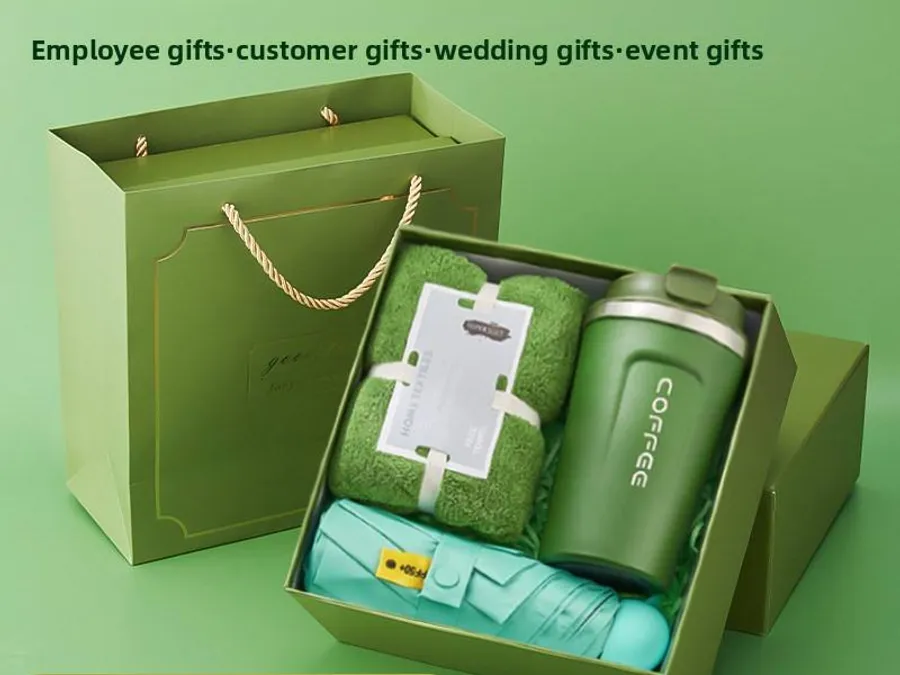
Corporate Gifts
Corporate gifts custom-made with your logo — USB drives, nail clipper sets, notebooks, mugs and more. One-stop corporate gift sourcing with low MOQ.