Custom Car Sun Shade Manufacturer – Logo-Printed Windshield Shades, Two Sizes, 1 pc MOQ
Custom car sun shades with your logo printed in full colour on silver-coated reflective fabric — 140 x 80 cm and 148 x 95 cm, folding steel-wire frame. 1 pc MOQ.
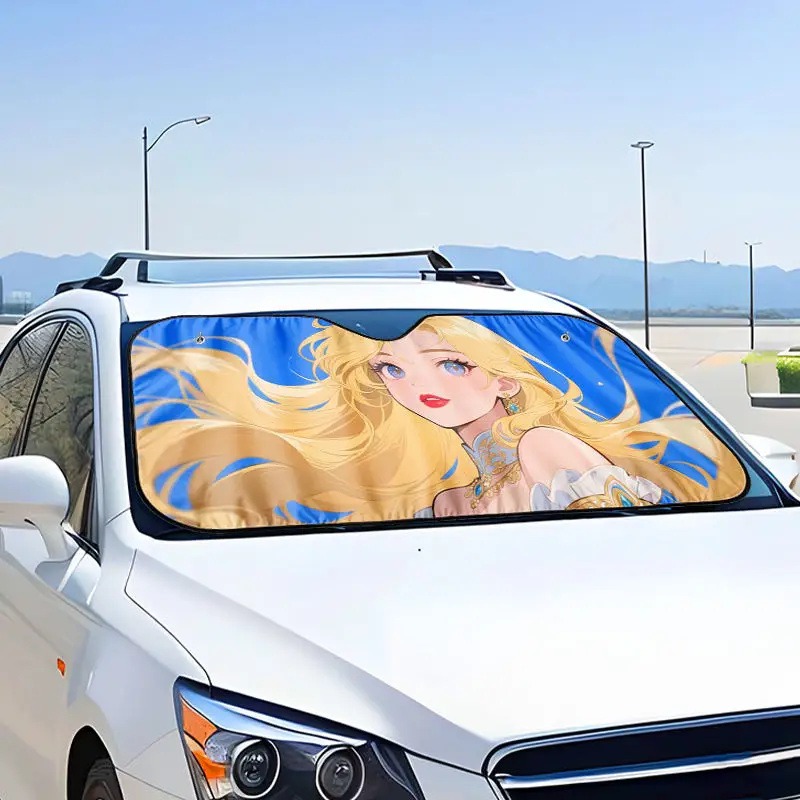
Custom Car Sun Shades Printed with Your Logo
Yichi is a custom car sun shade manufacturer printing logo and advertising shades in Zhejiang, China — a silver-coated light-blocking fabric over a flexible galvanised steel-wire frame, printed in full colour by digital direct print. Send a logo, a campaign design or a photograph and a free design and sample are produced before anything is printed in volume. A one-piece minimum, samples in 1-3 days and production in 2-10 days apply across the range.
Two purchases sit behind this product. One is functional: a vehicle parked in the open turns into an oven, and the interior — seats, dashboard, trim — pays for it. The other is commercial: the front of a car is one of the largest flat, mobile, high-visibility surfaces a business owns, and a screen covering it can carry a message to everyone who walks past the vehicle. Most orders are placed for the second reason and justified by the first.
Silver-Coated Fabric: What It Does to Heat and Light
The shade is cut from a thick, high-density fabric with a silver coating, and the specification attached to it is that the fabric is waterproof and light-reflecting, and that it resists ageing under sun exposure.
Reflection rather than absorption. A dark fabric absorbs light and gets hot; the silvered surface turns light away from the cabin, which is why the fabric is specified this way for a screen that spends its life facing the sun.
Density. The fabric is a high-density weave, which is what stops light passing between the yarns. A loose weave on a large panel produces a visible brightening across the whole interior, however reflective the surface is.
Water and ageing resistance. Because the shade is mounted externally it is exposed to rain and to continuous sunlight, and both properties are specified for that reason rather than as extras.
The practical point for a buyer is that this is not window tinting and not a windscreen cover for frost. It is a reflective screen for the outside of the glass, deployed when the vehicle is parked.
Two Sizes and a Universal Fit
Two main sizes are produced, with a third smaller piece also available.
| Size | Typical use |
|---|---|
| 140 x 80 cm | Small format, suited to saloons and smaller cars |
| 148 x 95 cm | Large format, for SUVs, MPVs, vans and larger vehicles |
| 88 x 49 cm | Smaller piece for narrower applications |
The shade is built as a universal-fit external type intended to suit the large majority of vehicles on the road, and it is documented against saloons, SUVs, MPVs, vans and pickups — three-box and hatchback body styles, off-road vehicles and commercial vans. The reason a single product covers that range is the elastic mounting rather than a cut-to-model shape: the shade is tensioned across the glass by its own frame and straps, so it does not depend on matching a specific windscreen template.
Both size and shape can be customised, so a fleet buyer or a dealer group can order a size closer to a particular model where the standard format leaves a gap. For a mixed fleet, working from the two standard sizes is normally the right answer — it keeps one part number and one artwork file across every vehicle.
The Frame: Galvanised Steel Wire Inside a Fabric Sleeve
The frame is the part of the product that fails first on a cheap shade, and it is specified here in three ways.
Elastic steel wire. A flexible steel wire runs around the outer edge of the shade. It is what allows the piece to be twisted, folded and unfolded repeatedly and still spring back flat — and it is the reason the shade folds rather than creases.
Galvanised and rust-treated. The wire is galvanised and treated against rust, and is described as smooth so that it does not scratch paintwork. A frame that rusts marks the vehicle and stains the fabric it sits inside, which is the failure a buyer notices on a fleet order.
Fabric-wrapped. The wire is enclosed in a fabric sleeve rather than left bare against the car, which further protects the paintwork and stops the wire from printing a line into the bonnet or the windscreen surround when the shade is fitted and removed.
The frame is also why the opening instruction matters. The shade is folded under tension, and when it comes out of the packaging it should be opened slowly rather than allowed to spring open, which is stated on the product as a way to avoid injury as it unfolds. It is worth passing that instruction on to whoever hands the shades out at an event.
Fitting It: Mirror Straps and Pull Tabs
Fitting is external and tool-free — the shade goes over the front of the vehicle and is anchored from the outside.
Elastic mirror straps. Elastic straps hook over the door mirrors. Because they stretch rather than being cut to a length, the same shade fits a wide range of vehicle widths, and the shade can be fitted and removed by one person in a few seconds.
Pull tabs. The fitting points are shaped as pull tabs so the shade can be located and tensioned by hand without reaching around the glass. On a large 148 x 95 cm panel that is what makes the product practical: a screen that takes a minute to fit on a wet windscreen does not get used.
External mounting. Being an external shade, the panel is exposed and visible, which is exactly what an advertising buyer needs — and it also means the shade is exposed to the weather, which is why the fabric properties above matter.
How the Print Performs on a Half-Square-Metre Panel
The print route is digital full-colour direct printing with high-temperature colour fixing, and the result is described as high-definition artwork with fine detail retained.
Why colour fixing matters here. The shade lives outside. Digital print laid onto fabric without a heat-fixing step will fade; the high-temperature fixing stage is what binds the ink to the fibre so the design holds its colour through sun and rain. It is the single technical reason to print a shade this way rather than with a cheaper process.
Single colour through to photographs. Single-colour and multi-colour artwork are both printed, and photographic designs are reproduced. The printed area is the whole front panel, so there is no small print zone to design around — a shade does not need a scaled-down logo the way a pen does.
Artwork. Send a vector file — PSD, CDR or AI — for the sharpest output. A photograph can be used, and as with any large-format print the sharper the source file, the better the finished panel.
What a big panel changes about design. A shade is seen from several metres, often at an angle and often while moving past. Large type, a strong mark and a high-contrast layout work here; a detailed layout that reads well on a business card does not survive the viewing distance.
Shade and Advertising From the Same Piece
The product is specified with two functions at once — sun protection and mobile advertising — and the material list treats it as promotional stock and as a giveaway as much as an accessory.
Brand visibility on a parked vehicle. A car parked at the roadside, at a site, at a school or at an event is stationary for hours with a printed panel facing outwards. The message is seen repeatedly by the same local audience, which is the property that a flyer or a poster does not have.
Car shows and dealership use. At a show or on a forecourt, the shade is fitted to display vehicles, where it does the same job as a branded backdrop but travels with the car.
Roadside and street-level campaigns. Campaigns that want a presence in streets or outside premises without renting a billboard: the vehicles are already there, and the shade converts them into a surface.
Giveaways and premiums. As a promotional item it has an unusually practical second life, which is why it is grouped with giveaway material rather than with pure advertising stock — the recipient keeps using it after the campaign ends, and the brand goes with it.
Specifications
| Specification | Details |
|---|---|
| Product type | Universal-fit external car sun shade / car advertising shade |
| Fabric | Thick high-density silver-coated light-blocking fabric; specified as waterproof, light-reflecting and ageing-resistant |
| Frame | Flexible galvanised, rust-treated steel wire in a fabric sleeve; smooth finish to avoid marking paintwork |
| Mounting | External fitting; elastic straps over the door mirrors; pull-tab fitting points |
| Sizes | 140 x 80 cm and 148 x 95 cm; 88 x 49 cm smaller piece; custom size and shape available |
| Vehicle fit | Universal fit for the large majority of vehicles: saloons, SUVs, MPVs, vans, pickups, three-box and hatchback styles |
| Printing | Digital full-colour direct print with high-temperature colour fixing; single-colour, multi-colour and photographic artwork |
| Artwork formats | PSD, CDR, AI vector files recommended |
| Print coverage | Full front panel |
| Functions | Sun shading, light reflection, UV protection, ageing resistance, mobile advertising |
| Packaging | OPP plastic bag as standard |
| Handling note | Open the folded shade slowly rather than letting it spring open |
| Design services | Free design and free sample available before production |
| Customisation | Logo, text and advertising content; custom size and shape |
| Use cases | Roadside and street-level advertising, car shows, dealership display, vehicle gifts and premiums |
| MOQ | 1 pc |
| Sample time | 1-3 days |
| Production time | 2-10 days |
| Storage | Folds flat and takes little space; reusable |
Where These Get Used
Dealerships and motor groups. A branded shade for every vehicle on the forecourt and for customer handover, so the dealership’s own name travels with the car.
Car shows and motorsport. Fitted to display vehicles, where the shade is both a practical cover and a printed backdrop.
Local and roadside campaigns. Businesses that want presence in the streets around their premises — service stations, garages, schools, gyms, restaurants — using vehicles they already run.
Fleet and company vehicle programmes. One artwork file across a mixed fleet, with vehicle identification or a safety message printed on the same panel.
Promotional giveaways and premiums. Stock ordered as an event giveaway for drivers, or as a gift attached to a larger purchase.
Car accessories retail and resale. Buyers who need a printed shade in their own packaging and colour range, including export orders.
Building a wider campaign? The same artwork can be carried onto promotional gifts — printed mats, keyrings, air fresheners and bags — so a dealership or a local campaign is produced from one supplier and one design file.
How an Order Runs
Enquiry and specification. Send the artwork or the campaign idea, the size required and the quantity. If the shade is for a specific model and the standard format is close but not exact, say so and the size can be quoted as a custom version.
Design and quote. The design is laid out on the shade and a quote is issued against the artwork and quantity. Design work is free of charge.
Approval. A rendering of the design on the shade is produced for confirmation, and a physical sample can be provided free of charge so the fabric, the print and the fold can be checked on the vehicle itself.
Production. Once the design is approved and the sample signed off, the order goes into volume production.
Delivery. Produced and shipped to the agreed schedule; a date fixed by an event or a campaign launch should be raised at the enquiry stage.
Why Order From Yichi
A printed shade fails in three predictable ways: the frame rusts and marks the paint, the ink fades after a season in the sun, or the print is laid so that no one can read it from five metres away. This range is specified against all three — galvanised rust-treated wire enclosed in a fabric sleeve, digital direct print with a high-temperature colour-fixing stage, and a full front panel to design on so the layout can be planned for the viewing distance.
We are a custom printed-promotional manufacturer based in Zhejiang, China, and the design, proofing and printing sit inside our own process. That is what allows a one-piece order and a free sample: a buyer can have a single shade printed, fit it to a vehicle, leave it in the sun, and then place the campaign order against something they have actually handled. OEM work and custom sizes are both supported, so the same process serves a dealer group and a single test piece.
Send the artwork, the size and the quantity through the contact page and we will come back with a quote, a free design and a sample.
Frequently Asked Questions
What is the MOQ for custom car sun shades?
What material is the shade made from?
What sizes are available, and will one fit my car?
How does it stay on the vehicle?
Can I print a photograph or a full-colour design?
How is a printed shade used as advertising?
You May Also Need

Custom Printed Balloons – Free Design & Bulk
Custom printed balloons with free design & 1-on-1 support. MOQ of just 1. Silk-screen logo printing on 230 colors. CE-certified quality for promotions & events
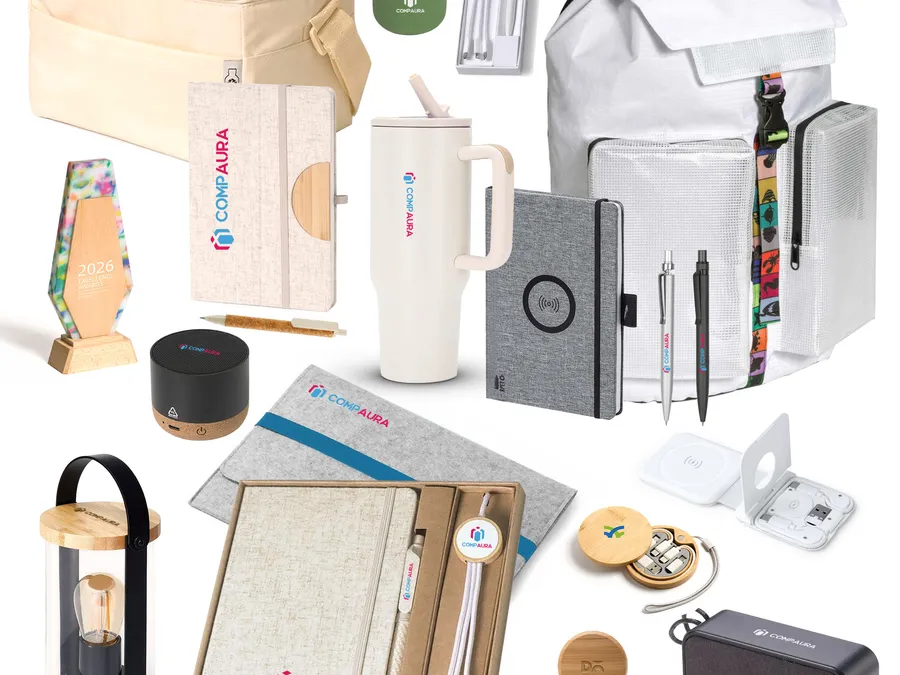
Business Gift Sets
Business gift sets and opening ceremony gifts with your logo — complete branded sets for corporate launches, anniversaries and holiday gifting.
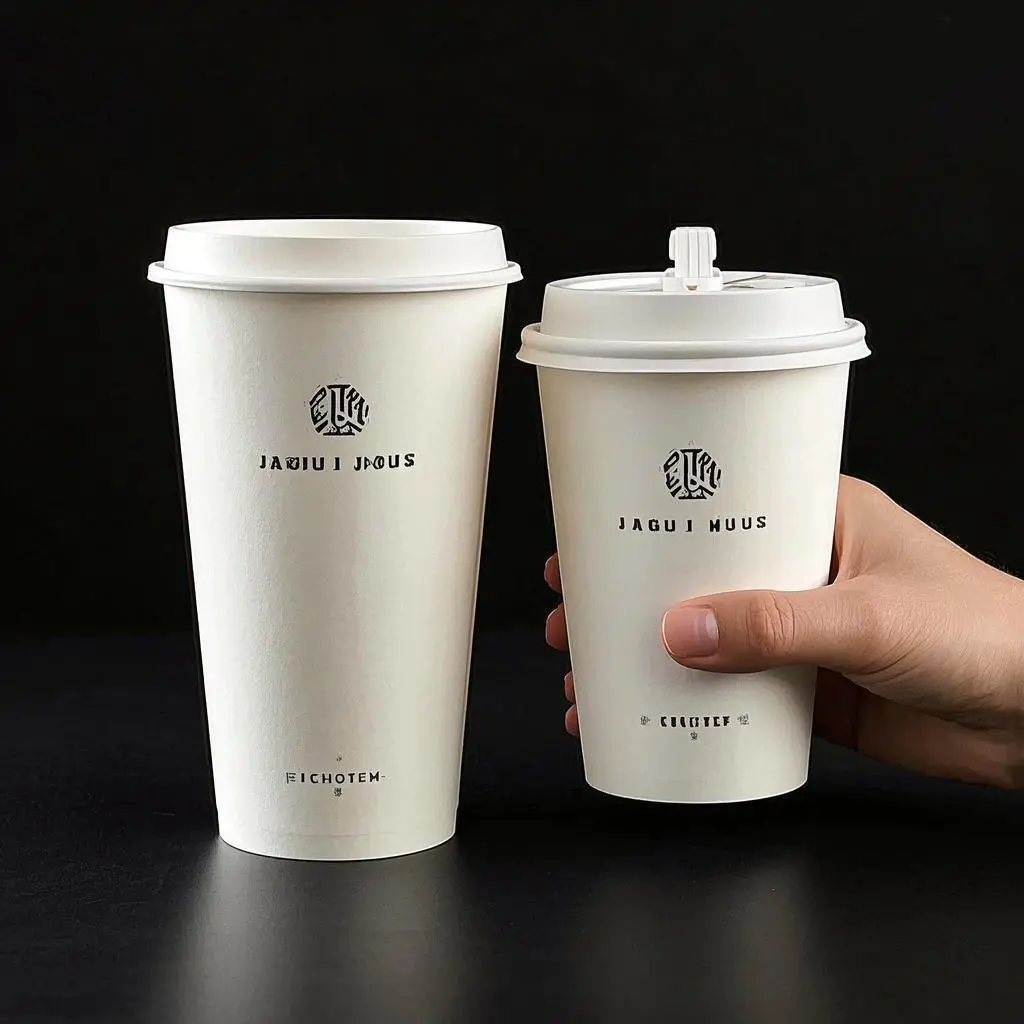
Custom Printed Coffee Cups | Branded Paper Cups with Logo
Custom printed coffee cups with your logo from just 1 piece—food-grade, hot/cold ready, free layout design and fast samples in 1-3 days.
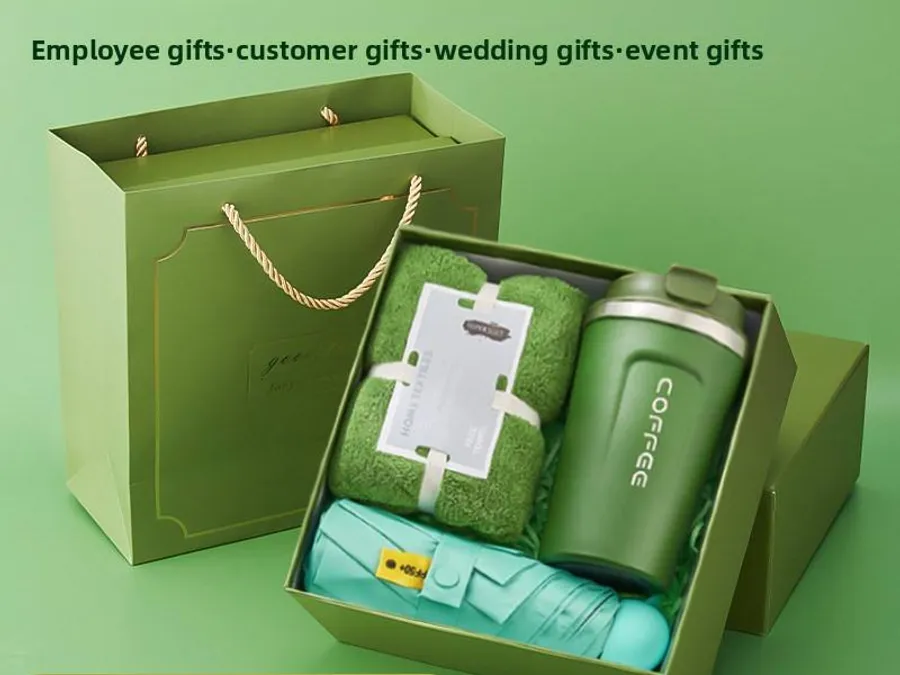
Corporate Gifts
Corporate gifts custom-made with your logo — USB drives, nail clipper sets, notebooks, mugs and more. One-stop corporate gift sourcing with low MOQ.